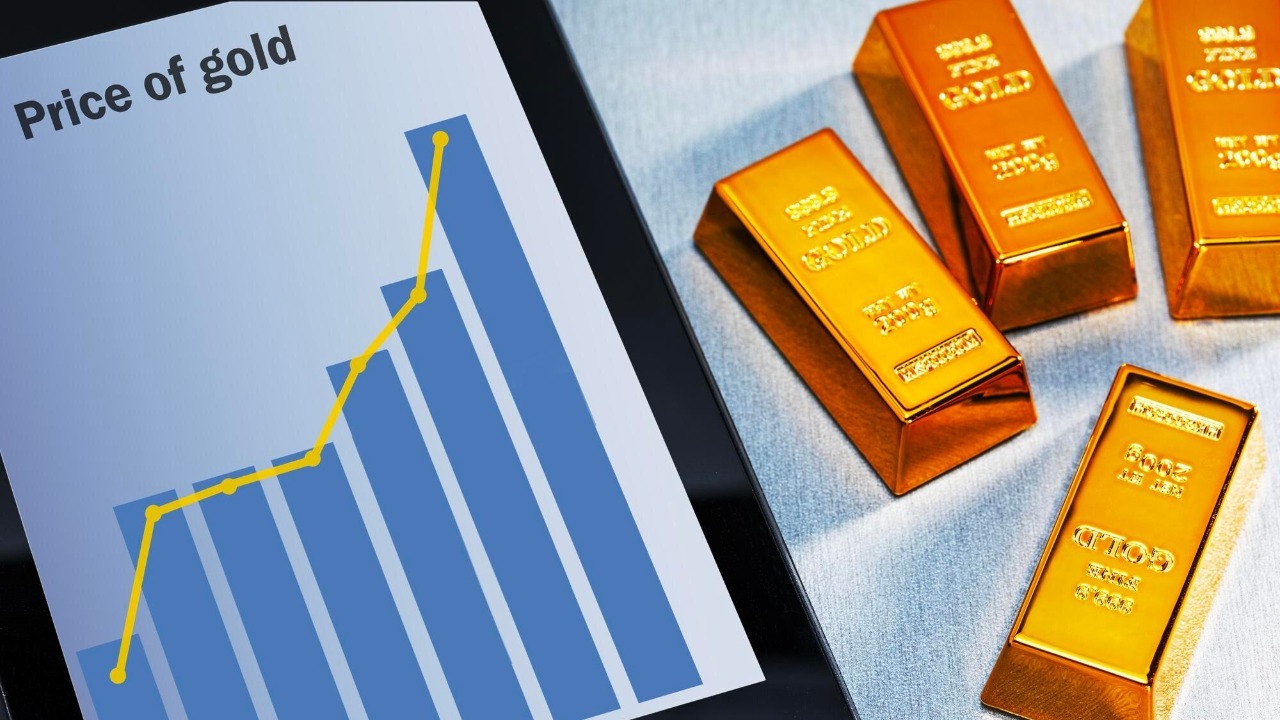
Gold has surged to a record high, driven by fears of a U.S. government shutdown and speculative bets on a Federal Reserve rate cut. This development, reported on October 1, 2025, underscores the complex interplay between geopolitical events and investor sentiment. Concurrently, U.S. and European stocks also hit record highs, as investors appeared to largely dismiss the potential economic impact of the shutdown.
Gold’s Record Surge

Gold reached a record high, bolstered by concerns over a potential U.S. government shutdown and expectations of a Federal Reserve rate cut. This surge was first noted on September 29, 2025, when the precious metal’s appeal was lifted by a soft dollar and the looming fiscal uncertainties. The upward trajectory continued, with gold maintaining its record high status amid persistent shutdown fears and rate cut bets according to Reuters.
On October 1, 2025, gold’s rally was further fueled by ongoing market anxieties, as investors sought safe-haven assets amidst the fiscal uncertainty. This trend highlights the metal’s enduring role as a hedge against economic instability, particularly when traditional markets face potential disruptions as reported by Yahoo Finance.
The recent surge in gold prices is not only a reflection of immediate fiscal concerns but also indicative of broader economic trends. Historically, gold has served as a reliable hedge against inflation and currency devaluation, making it an attractive option for investors during times of economic uncertainty. The current geopolitical climate, characterized by tensions and unpredictable fiscal policies, has amplified these traditional roles of gold, driving demand higher. Analysts suggest that as long as these uncertainties persist, gold will continue to attract investors looking for stability in their portfolios according to Reuters.
Moreover, the global economic landscape is seeing shifts with central banks around the world reconsidering their monetary policies. This has led to increased volatility in currency markets, further enhancing gold’s appeal as a stable store of value. The interplay between these factors and the ongoing fiscal uncertainties in the U.S. creates a complex environment where gold’s role as a safe-haven asset is likely to be reinforced. Investors are closely monitoring these developments, as the potential for further rate cuts could sustain or even accelerate the upward momentum in gold prices as reported by Yahoo Finance.
Market Reactions and Investor Sentiment

Despite the looming government shutdown, U.S. and European stocks reached record highs, reflecting investor confidence in market resilience. This phenomenon was observed on October 2, 2025, as markets appeared to shrug off the potential economic impact of the shutdown. The simultaneous rally in both equities and gold illustrates a complex market dynamic where traditional safe-haven assets and riskier investments can thrive concurrently, as noted by Reuters.
U.S. stocks ended at record levels even as the government shutdown persisted, showcasing a market environment where investor optimism about future economic conditions outweighed immediate concerns. This resilience in the face of fiscal uncertainty highlights the nuanced ways in which different asset classes can respond to geopolitical events according to Yahoo Finance.
Impact of Federal Reserve Speculations
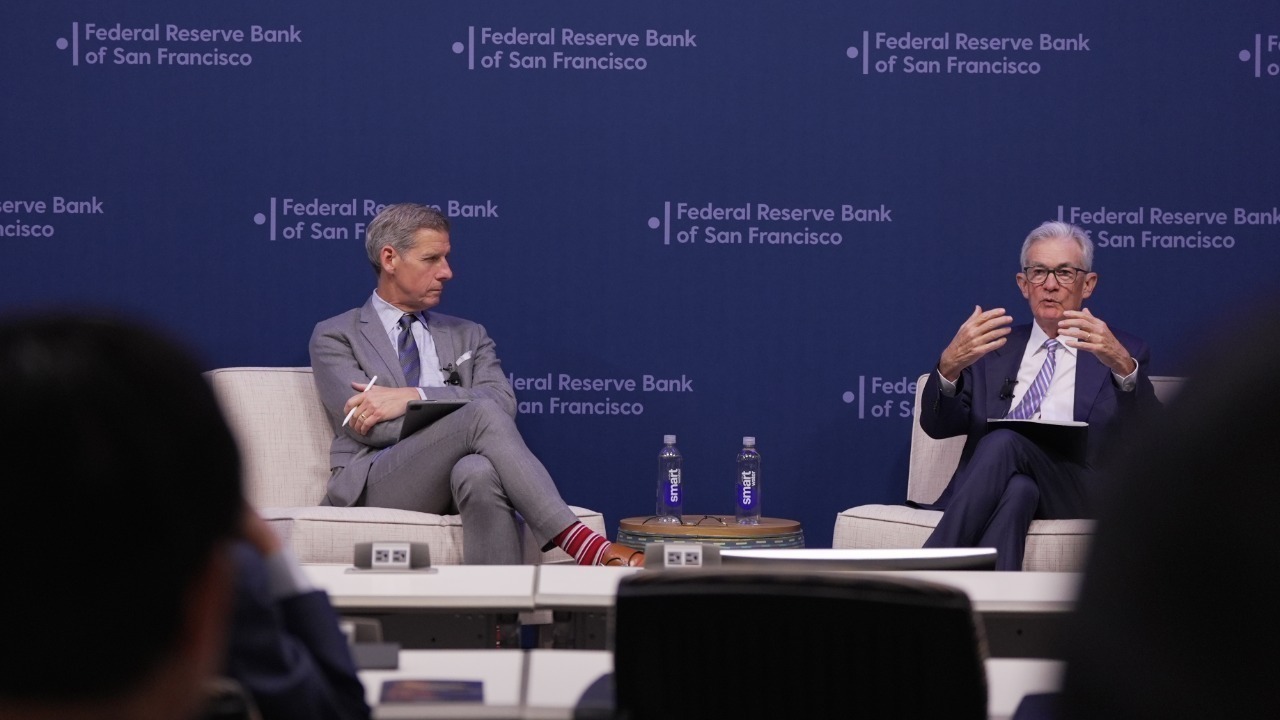
Speculation surrounding a potential Federal Reserve rate cut has significantly influenced gold prices, driving them higher as investors anticipate a more accommodative monetary policy. This expectation has been a key factor in the metal’s recent rally, as reported on October 1, 2025. The market’s sensitivity to Federal Reserve communications was further illustrated when comments from Fed’s Logan on October 2, 2025, introduced caution, causing gold to slip from its record peak as highlighted by Yahoo Finance.
The anticipation of a rate cut has not only affected gold but also contributed to broader market movements, with investors recalibrating their strategies in light of potential changes in monetary policy. This dynamic underscores the critical role of central bank communications in shaping market expectations and asset valuations as reported by WHTC.
Asia’s Market Dynamics

In Asia, the tech sector led a share rally, with gold nearing its record high on the back of Federal Reserve rate cut speculations. This regional trend highlights the interconnectedness of global markets, where developments in one region can have ripple effects across others. The tech sector’s performance in Asia reflects broader investor optimism, even as uncertainties loom as noted by WHTC.
The rally in Asian markets, driven by tech and supported by gold’s strength, illustrates the diverse factors influencing investor sentiment. As markets continue to respond to global economic signals, the interplay between different sectors and regions remains a key focus for investors navigating an uncertain landscape.
Asian markets are experiencing a unique set of dynamics, driven largely by the performance of the technology sector and the influence of global monetary policy expectations. The tech sector, a significant component of many Asian economies, has been buoyed by strong earnings reports and continued innovation, which have attracted both domestic and international investors. This sector’s growth is seen as a bellwether for broader economic health in the region, providing a counterbalance to the uncertainties posed by external factors such as U.S. fiscal policy and European market fluctuations, as noted by WHTC.
Additionally, the interconnectedness of global markets means that Asian economies are not insulated from developments elsewhere. The anticipation of a Federal Reserve rate cut has had a ripple effect, influencing investor behavior and market strategies across the region. As investors adjust their portfolios in response to these global signals, the resilience of Asian markets will be tested. The ability of these markets to maintain momentum amidst such challenges will depend on both regional economic policies and the broader global economic environment. This interconnectedness underscores the importance of a nuanced understanding of market dynamics for investors operating in Asia, as reported by WHTC.
Future Outlook and Considerations

The trajectory of gold prices and stock markets will likely remain closely tied to developments in U.S. fiscal policy and Federal Reserve actions. As investors continue to navigate an uncertain economic landscape, the interplay between geopolitical events and market sentiment will be crucial in shaping future trends. The ongoing government shutdown and potential rate cuts are pivotal factors that could influence market dynamics in the coming months, according to Yahoo Finance.
As the situation evolves, investors will need to remain vigilant, balancing the risks and opportunities presented by these developments. The ability to adapt to changing conditions will be essential for navigating the complexities of the current economic environment, where traditional market indicators may not always provide clear guidance.

Grant Mercer covers market dynamics, business trends, and the economic forces driving growth across industries. His analysis connects macro movements with real-world implications for investors, entrepreneurs, and professionals. Through his work at The Daily Overview, Grant helps readers understand how markets function and where opportunities may emerge.

