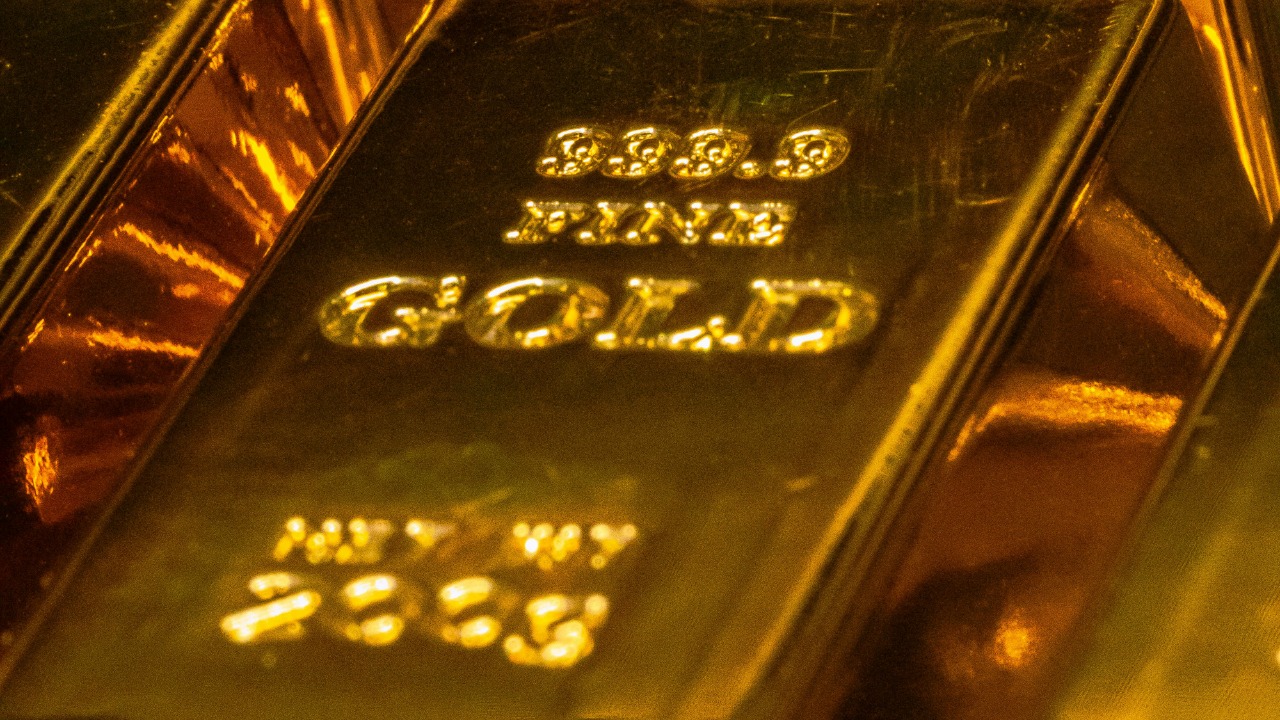
Gold prices have experienced a significant drop, plunging over 4% in a single day to fall below $2,300 per ounce for the first time since July 2024. This decline, driven by a surging US dollar and strong economic data, has left investors questioning gold’s role as a safe-haven asset. The sell-off erased gains from earlier in the year, which were fueled by inflation fears, and has prompted a reevaluation of investment strategies.
The Surge in the US Dollar

The recent strength of the US dollar has been a key factor in the decline of gold prices. The US Dollar Index reached a seven-month high of 106.85, making gold more expensive for buyers using other currencies and exerting downward pressure on its price. This surge in the dollar was supported by Federal Reserve Chair Jerome Powell’s comments indicating no immediate plans for interest rate cuts, which bolstered the currency’s strength. As gold typically moves inversely to the dollar, its price fell as the dollar rallied against major currencies like the euro and yen. This dynamic highlights the challenges for gold as a non-yielding asset in a strong dollar environment.
Federal Reserve’s Hawkish Stance
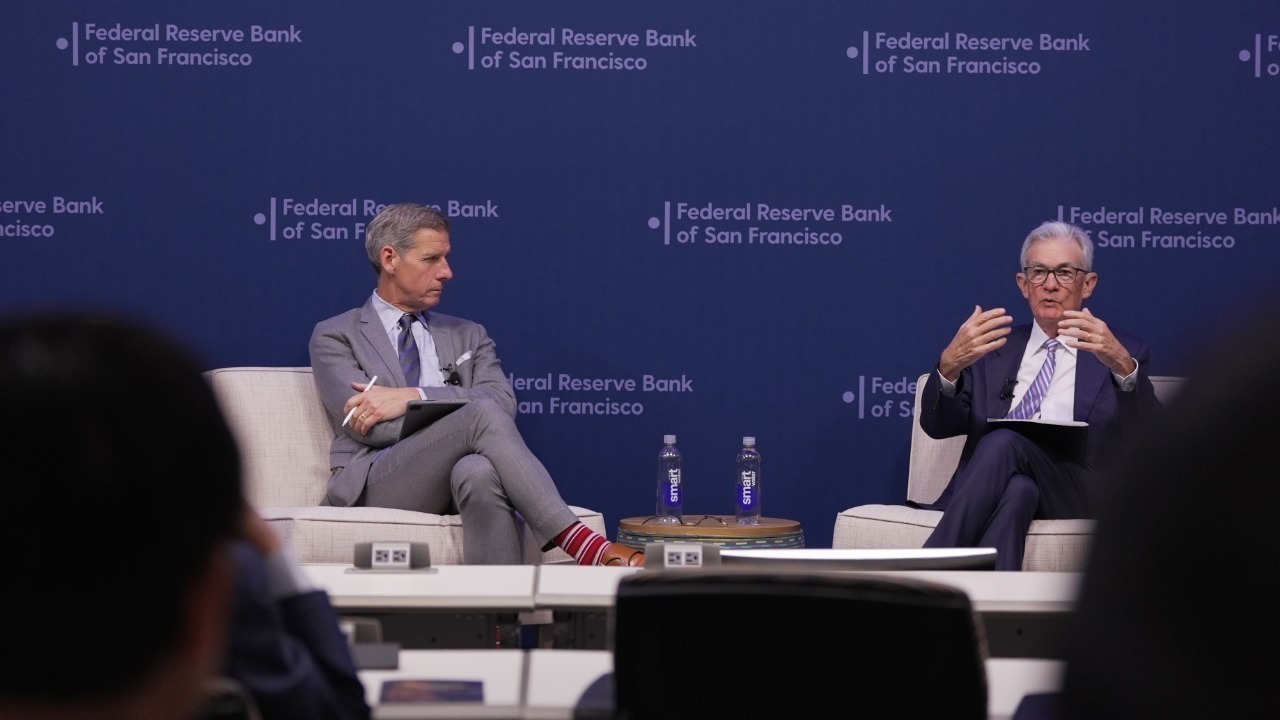
The Federal Reserve’s recent actions and communications have also contributed to the pressure on gold prices. The minutes from the Fed’s September 2024 meeting revealed concerns over persistent inflation, leading to expectations of fewer rate cuts than previously anticipated. Traders have adjusted their expectations, now pricing in only two 25-basis-point rate cuts for the remainder of the year, down from four earlier. This hawkish stance has increased the opportunity cost of holding gold, as higher interest rates make non-yielding assets like gold less attractive. The Fed’s position underscores the challenges for gold investors in a rising rate environment.
Robust US Economic Indicators
Strong US economic data has further diminished the appeal of gold as a safe-haven asset. The September 2024 nonfarm payrolls report showed a significant increase in jobs, with 254,000 added, far exceeding forecasts. Additionally, the unemployment rate dropped to 4.1%, signaling a robust labor market. Strong consumer spending and a modest GDP growth estimate for the third quarter of 2024 have reduced fears of a recession, which typically boosts gold demand. As a result, gold ETF outflows have increased, reflecting a shift in investor sentiment away from safe havens.
Easing Geopolitical Risks

Geopolitical tensions, which often drive demand for gold, have eased recently, contributing to the metal’s price decline. Progress in ceasefire talks between Israel and Hezbollah, facilitated by a US-brokered deal, has lowered perceived global instability. This reduction in geopolitical risk has lessened the flight-to-safety trade, with gold’s premium over futures narrowing. Analysts have noted that without further escalation, gold’s geopolitical support, which had driven prices up earlier in the year, is beginning to fade. This shift highlights the impact of geopolitical developments on gold’s attractiveness as a safe-haven asset.
Shift Toward Riskier Assets
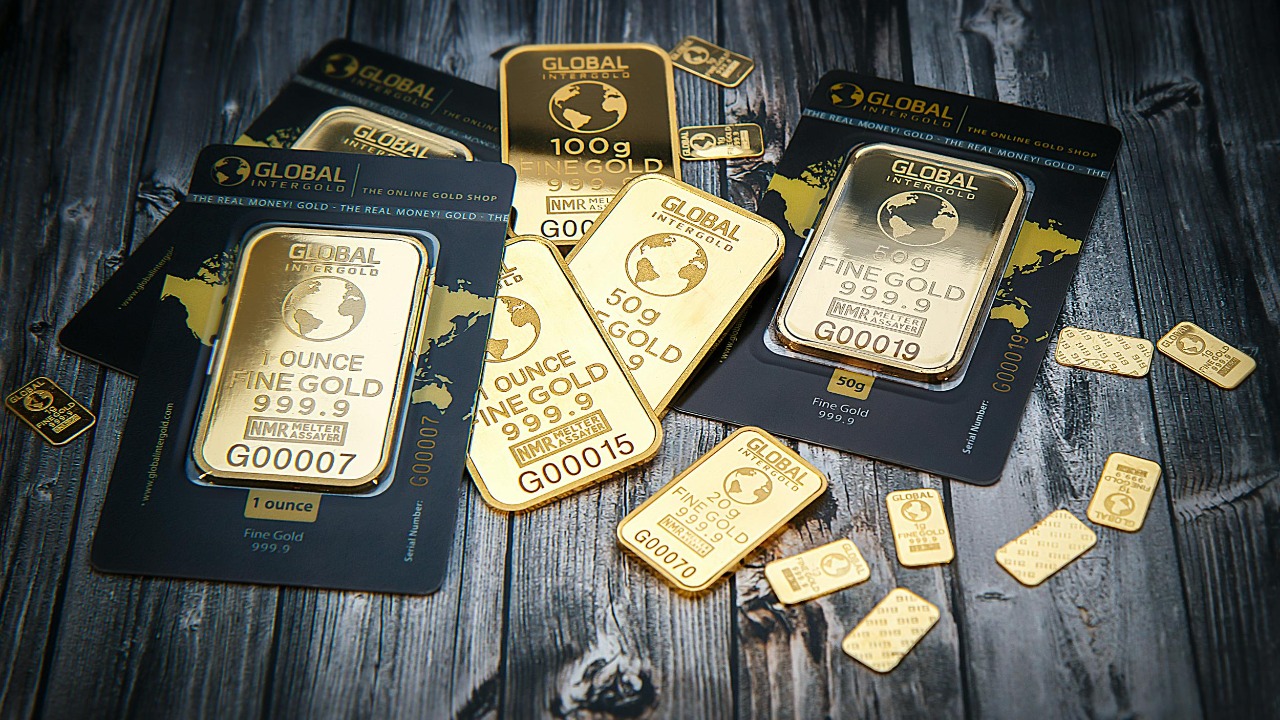
As gold prices have declined, investors have increasingly turned to riskier assets, such as equities. The S&P 500 recently reached a record high, drawing capital away from gold and into stocks amid optimism over corporate earnings. This rotation has been reflected in significant outflows from gold-backed ETFs, as investors seek higher returns in the stock market. JPMorgan strategists have predicted that continued strength in equities could keep gold prices capped below $2,400 through the end of the year. This trend underscores the challenges for gold in an environment where risk appetite is growing.
Strategies for Investors

In light of the recent decline in gold prices, investors may need to reassess their strategies. Diversification remains key, with experts recommending that portfolios allocate no more than 5-10% to gold to hedge against volatility. For those considering buying on dips, prices stabilizing below $2,250 could present an opportunity for long-term inflation protection. Historical data suggests that gold has delivered average annual returns of 8% over the past decade. Additionally, investors should monitor upcoming Federal Reserve meetings for rate signals, while avoiding leveraged gold futures due to heightened short-term downside risks. These strategies can help investors navigate the current market dynamics and position themselves for potential future gains.

Grant Mercer covers market dynamics, business trends, and the economic forces driving growth across industries. His analysis connects macro movements with real-world implications for investors, entrepreneurs, and professionals. Through his work at The Daily Overview, Grant helps readers understand how markets function and where opportunities may emerge.

