
Gold prices have reached a new record high amid heightened economic uncertainty, driven by the commencement of a U.S. government shutdown and concerns over market stability. This surge in gold’s value underscores the broader market anxieties that investors are currently facing. As the shutdown begins, the Dow is set to open down, reflecting market apprehensions.
Gold’s Record Highs Amid Economic Uncertainty

Gold prices have surged to unprecedented levels as investors seek safe havens during periods of economic instability. The allure of gold as a secure investment is particularly pronounced in times of uncertainty, and the current economic climate is no exception. According to Barron’s, the rising value of gold reflects broader market anxieties, including the U.S. government shutdown. This trend is not just a reaction to domestic issues but also a reflection of global economic concerns.
The ongoing U.S. government shutdown has amplified these concerns, contributing significantly to the economic uncertainty that is prompting shifts in investor behavior. As reported by TRT World, the shutdown has created a ripple effect across markets, with investors increasingly turning to gold as a hedge against potential volatility. This behavior is indicative of a broader strategy to mitigate risk in uncertain times.
In addition to the domestic factors, international economic conditions are also influencing the surge in gold prices. The global economy is currently facing a myriad of challenges, including geopolitical tensions and trade uncertainties, which are contributing to the overall market volatility. As investors seek to navigate these complexities, gold’s reputation as a stable investment becomes increasingly attractive. This global perspective highlights the interconnectedness of markets and the role of gold as a universal hedge against economic instability.
Moreover, central banks around the world have been increasing their gold reserves, further driving up demand. This trend is indicative of a broader strategy to diversify assets and reduce reliance on traditional currencies, which may be subject to inflationary pressures. The strategic accumulation of gold by central banks underscores its enduring value as a financial safeguard.
Impact of the U.S. Government Shutdown
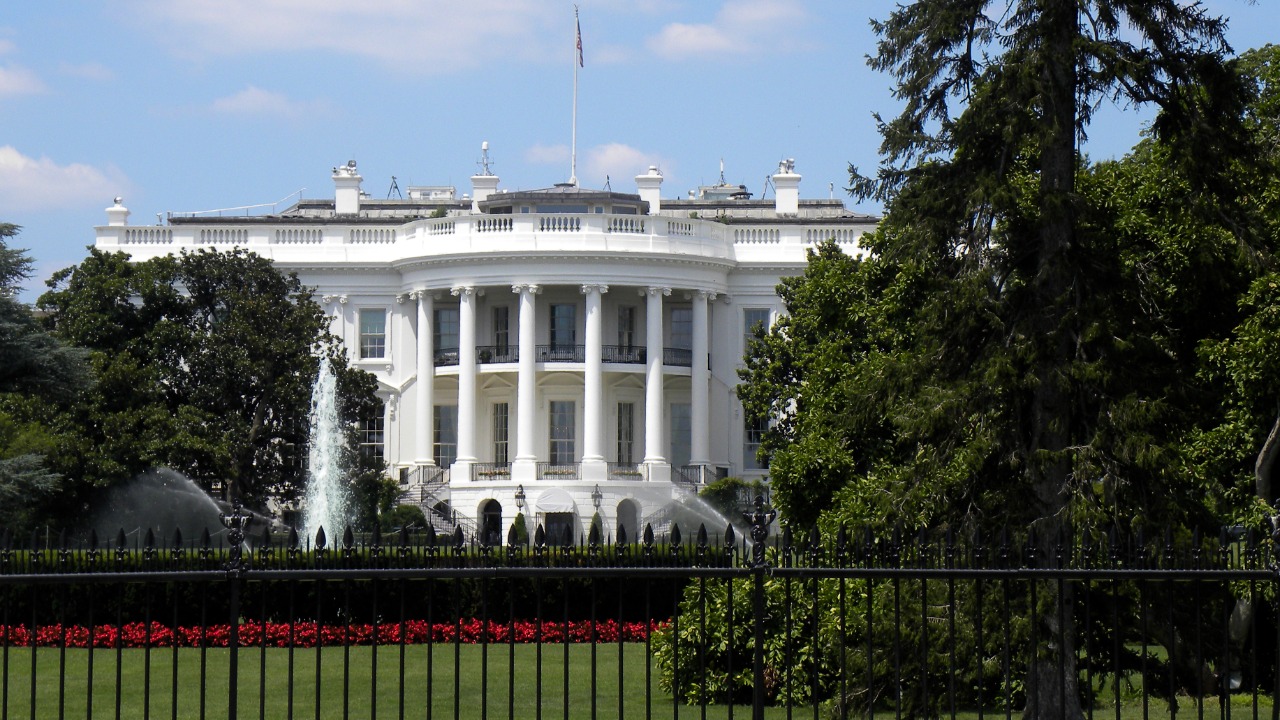
The U.S. government shutdown has played a pivotal role in shaping the current economic landscape. As the shutdown begins, its impact is being felt across various sectors, with significant implications for market stability. TRT World highlights that the shutdown has contributed to economic uncertainty, prompting shifts in investor behavior. This uncertainty is further exacerbated by concerns over the potential duration of the shutdown and its broader economic implications.
The market’s reaction to the shutdown is evident in the performance of major indices. According to Barron’s, the Dow is set to open down, reflecting market apprehensions. This decline is indicative of the broader unease that investors are experiencing as they navigate the complexities of the current economic environment. The shutdown’s impact on investor confidence is a critical factor in the ongoing market dynamics.
The ramifications of the U.S. government shutdown extend beyond immediate market reactions, affecting various sectors of the economy. Federal employees face furloughs, and government services are disrupted, which can lead to decreased consumer spending and economic activity. This slowdown can have a cascading effect, potentially impacting GDP growth and investor confidence. The uncertainty surrounding the resolution of the shutdown adds to the complexity of the economic landscape, as stakeholders await clarity on fiscal policies and budget allocations.
Furthermore, the shutdown’s impact on government contracts and projects can lead to delays and increased costs, affecting businesses that rely on federal funding. This disruption can result in a reevaluation of investment strategies, as companies and investors adjust to the shifting economic environment. The prolonged nature of the shutdown could exacerbate these issues, leading to more significant economic consequences.
Market Reactions and Investor Strategies

In response to the current economic uncertainty, investors are increasingly turning to gold as a hedge against volatility in the stock market. This strategy is driven by a desire to protect assets from potential downturns and to capitalize on gold’s status as a reliable store of value. As noted by Equiti, the record high in gold prices is seen as a direct response to fears surrounding the U.S. economic outlook.
The decision to invest in gold is not solely based on domestic factors. Global economic conditions also play a significant role in shaping investor strategies. The current geopolitical climate, coupled with concerns over potential economic slowdowns, has further fueled the demand for gold. This trend is reflective of a broader shift in investor sentiment, as individuals and institutions alike seek to safeguard their portfolios against potential risks.
Investors are not only turning to gold but are also exploring other asset classes to diversify their portfolios amid the current economic uncertainty. Real estate and commodities, for example, are gaining attention as alternative investments that can provide stability and potential returns. This diversification strategy reflects a cautious approach to managing risk, as investors seek to balance their exposure to volatile markets.
Additionally, the role of technology in investment strategies is becoming more pronounced. Advanced analytics and algorithmic trading are being utilized to identify trends and make informed decisions in real-time. These technological advancements enable investors to respond swiftly to market changes, optimizing their strategies to protect and grow their assets in a challenging economic climate.
Comparisons to Previous Economic Events

Recent developments in the gold market have drawn parallels to previous periods of economic turbulence where gold also reached significant highs. These comparisons provide valuable insights into the current market dynamics and offer a historical perspective on the role of gold as a safe haven asset. According to Barron’s, analysts are examining past government shutdowns and their impact on gold prices to better understand the current situation.
The historical context of gold’s performance during economic downturns offers a framework for understanding its current trajectory. As noted by Equiti, the parallels between past and present events highlight the enduring appeal of gold as a hedge against economic uncertainty. This perspective underscores the importance of historical analysis in shaping contemporary investment strategies.

Elias Broderick specializes in residential and commercial real estate, with a focus on market cycles, property fundamentals, and investment strategy. His writing translates complex housing and development trends into clear insights for both new and experienced investors. At The Daily Overview, Elias explores how real estate fits into long-term wealth planning.

