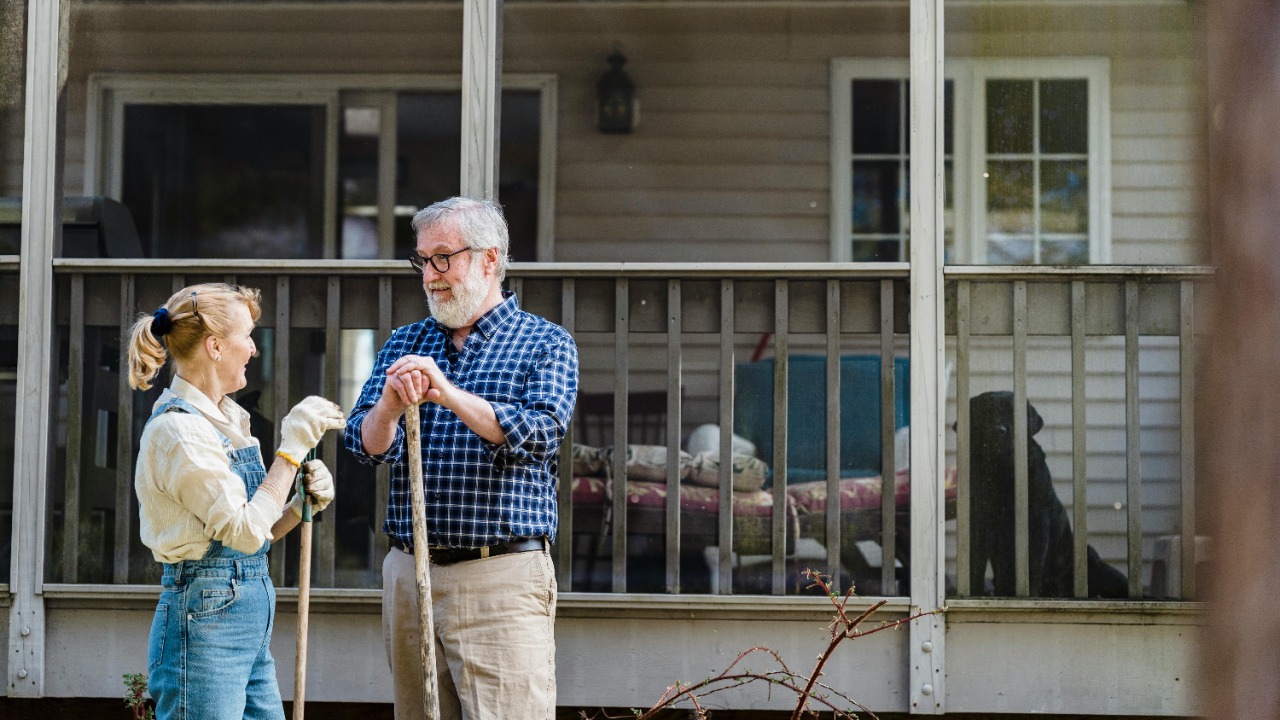
In recent years, a significant portion of baby boomers have found themselves unable to downsize from their large homes, despite owning a substantial share of the U.S. housing market. This phenomenon, often referred to as the “golden handcuffs,” is largely due to the low-interest mortgages they secured in the early 2020s. As a result, the housing market is experiencing a shortage of available homes, particularly in high-cost areas, which is impacting younger generations’ ability to purchase homes.
The Lock-In Effect of Low Mortgage Rates
During the early 2020s, many baby boomers took advantage of historically low mortgage rates, locking in rates between 2.65% and 3.5% on their homes. This financial decision, as reported by Freddie Mac, has resulted in monthly payments of approximately $1,600 on a $400,000 mortgage. However, as of mid-2024, the average 30-year fixed mortgage rate has risen to 7.2%, according to Mortgage News Daily. This increase would raise the monthly payment on the same mortgage to over $2,700, making it financially challenging for boomers to find equivalent housing at current rates.
Economist Laura Berger highlights the severity of this situation, stating, “The rate lock-in is the strongest it’s been in decades, trapping owners in place.” This lock-in effect discourages boomers from selling their homes, as they would face significantly higher mortgage payments on any new property they might purchase. Consequently, this reluctance to move contributes to the limited housing inventory available to younger buyers, exacerbating the housing market’s challenges.
Rising Property Taxes and Maintenance Costs
In addition to mortgage rates, rising property taxes and maintenance costs are further discouraging boomers from downsizing. States like Texas and Illinois have seen property taxes surge by 20-30% since 2020, according to ATTOM Data Solutions. For example, boomers in Chicago suburbs are facing annual property tax bills exceeding $10,000 on homes valued at $500,000 or more. Such financial burdens make it difficult for homeowners to justify moving, as they would likely encounter similar or higher costs elsewhere.
Moreover, home maintenance expenses have also increased, with insurance premiums rising by 25% nationally in 2023, as reported by the Insurance Information Institute. For a typical boomer-owned single-family home, this translates to an annual insurance cost of around $2,500. In high-risk areas like Miami-Dade County, Florida, insurance costs have soared to over $5,000 per year due to hurricane risks, according to local reporting. These escalating costs further deter boomers from selling their homes and relocating.
Emotional and Lifestyle Attachments to “Dream Homes”
Beyond financial considerations, emotional and lifestyle factors play a significant role in boomers’ reluctance to downsize. A AARP survey from 2023 found that 68% of boomers are unwilling to leave homes purchased in the 1990s or 2000s because they view them as “family legacies.” These homes often hold sentimental value, representing decades of memories and family milestones.
For instance, the Smith family in suburban Denver purchased their 4,000 sq ft home in 1998 for $250,000, and it is now valued at $1.2 million. Despite the significant increase in value, the family cites “too many memories” as a barrier to selling, as reported by Denver Post interviews. Additionally, while many boomers face accessibility challenges in multistory homes, only 15% have modified their properties for aging in place, according to the Harvard Joint Center for Housing Studies. This lack of adaptation further complicates the decision to move, as many prefer to remain in familiar surroundings.
Broader Impacts on the U.S. Housing Market
The reluctance of boomers to sell their homes has broader implications for the U.S. housing market. Boomer-owned homes account for 37 million units nationwide but are turning over at half the rate of younger generations. This contributes to a limited housing supply, with only a 3.5-month inventory available as of 2024, according to the U.S. Census Bureau. This shortage is particularly challenging for millennials, who face median home prices that are 40% higher than in 2019, delaying their home purchases by an average of 2-3 years, as noted by the Urban Institute.
Regional ripple effects are also evident, such as in Phoenix, Arizona, where boomer holdouts have reduced listings by 15% since 2022, according to the Arizona Republic. This reduction in available homes further intensifies competition among buyers, driving up prices and making it increasingly difficult for younger generations to enter the housing market. As boomers continue to hold onto their homes, the housing market faces ongoing challenges in meeting the demands of a growing population.
More From TheDailyOverview
- Dave Ramsey says these two simple questions show whether you’re rich or poor
- Retired But Want To Work? Try These 18 Jobs for Seniors That Pay Weekly
- IRS raises capital gains thresholds for 2026 and what’s new
- 12 ways to make $5,000 fast that actually work

Elias Broderick specializes in residential and commercial real estate, with a focus on market cycles, property fundamentals, and investment strategy. His writing translates complex housing and development trends into clear insights for both new and experienced investors. At The Daily Overview, Elias explores how real estate fits into long-term wealth planning.

