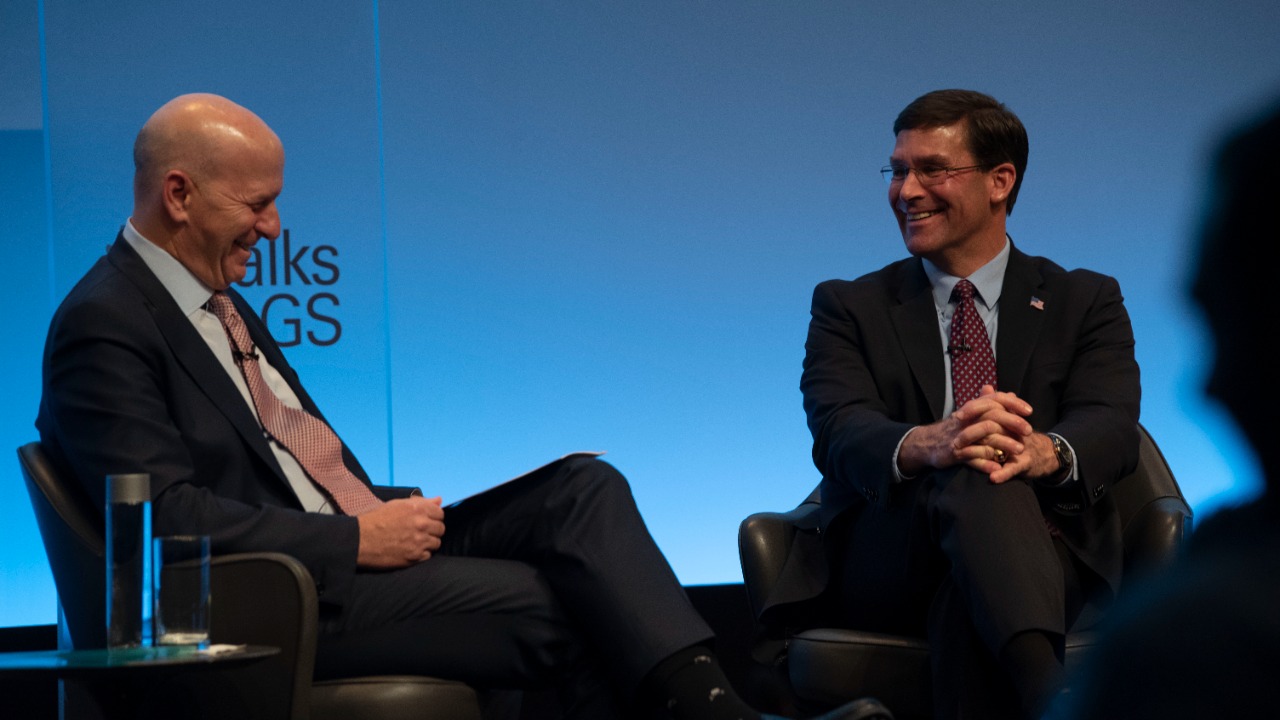
On November 4, 2025, the CEO of Goldman Sachs addressed the growing concerns over artificial intelligence displacing jobs, dismissing the hysteria by emphasizing that humans have historically adapted to technological shifts. He pointed to the resilience of the workforce in navigating past innovations, arguing that similar adjustments will occur with AI. The executive highlighted the economy’s flexibility, stating, “Our economy is very nimble.”
Goldman Sachs CEO’s Reassurance Amid AI Buzz
The Goldman Sachs CEO directly addressed the widespread fears surrounding AI’s potential to replace jobs, countering recent media and expert warnings about impending unemployment crises. His comments on November 4, 2025, sought to alleviate these concerns by emphasizing the adaptability of the human workforce. By framing the discourse around adaptation rather than alarm, the CEO shifted the narrative from one of fear to one of opportunity.
In his remarks, the CEO underscored the historical ability of humans to adapt to technological advancements, suggesting that the current wave of AI integration would follow a similar trajectory. This perspective challenges the prevalent alarmist narratives and instead promotes a model of optimistic adaptation. His statements come at a crucial time as industries, particularly banking, are rapidly adopting AI technologies, prompting a need for reassurance among stakeholders.
The CEO’s comments were timely, addressing the accelerating adoption of AI across various sectors. By highlighting the economy’s nimbleness, he provided a counterpoint to the fears of widespread job losses, suggesting that AI could be an enhancer of human capabilities rather than a disruptor. This perspective is crucial for stakeholders who are navigating the complexities of AI integration in their industries.
Historical Precedents for Human Adaptation
The CEO’s confidence in human adaptability is rooted in historical precedents where technological advancements have led to workforce evolution rather than outright replacement. For instance, the automation of manufacturing processes in the past century initially sparked fears of job losses, yet ultimately resulted in the creation of new roles and industries. These examples illustrate a pattern of adaptation that the CEO believes will continue with AI.
By drawing on these historical examples, the CEO reassured stakeholders that the workforce has the capacity to evolve alongside technological innovations. This perspective marks a shift from earlier reports in 2025 that emphasized the risks of job loss due to AI. Instead, the CEO’s remarks highlight the potential for human ingenuity to thrive in the face of new challenges.
In service-oriented sectors, the role of adaptation is particularly significant. As AI tools become more integrated into these industries, the CEO’s confidence in human ingenuity suggests that workers will find new ways to leverage technology to enhance their roles. This outlook provides a hopeful narrative for employees and employers alike, emphasizing the potential for growth and innovation.
The Economy’s Nimble Response to AI Challenges
The CEO’s assertion that “Our economy is very nimble” underscores the structural flexibility needed to absorb AI-driven changes. This statement reflects a broader confidence in the economy’s ability to adapt to technological advancements without succumbing to disruption. For major stakeholders like financial firms and workers, this perspective signals a shift towards viewing AI as a tool for enhancement rather than a threat.
Analyzing the impacts on stakeholders, the CEO’s statement suggests a pivot towards embracing AI as a catalyst for innovation. This view contrasts with earlier fears of economic slowdown due to AI integration. Instead, the nimbleness of the economy is seen as a strength, enabling industries to adapt and thrive in a rapidly changing technological landscape.
Post-November 4, 2025, economic indicators may align with this theme of nimbleness, showcasing the economy’s ability to integrate AI technologies effectively. This adaptability is crucial for maintaining competitiveness in a global market, providing reassurance to investors and stakeholders who may have been concerned about the potential negative impacts of AI.
Implications for Workers and Future AI Integration
The CEO’s comments on November 4, 2025, encourage skill-building initiatives for employees as they adapt to AI tools. This focus on upskilling highlights the importance of preparing the workforce for the changes brought about by AI integration. By investing in employee development, companies can ensure that their workforce remains competitive and capable of leveraging new technologies.
For broader stakeholders, including investors, the CEO’s emphasis on the economy’s nimbleness provides a sense of confidence that contrasts with the pessimism seen earlier in 2025. This shift in perspective suggests that AI integration can lead to new opportunities and growth, rather than merely posing a threat to existing jobs.
Looking forward, AI’s role in job creation is likely to expand, rooted in the CEO’s narrative of adaptation. As industries continue to integrate AI technologies, new roles and opportunities will emerge, highlighting the potential for a dynamic and evolving economic landscape. This outlook emphasizes the importance of embracing change and innovation as key drivers of future success.
More From TheDailyOverview
- Dave Ramsey warns to stop 401(k) contributions
- 11 night jobs you can do from home (not exciting but steady)
- Small U.S. cities ready to boom next
- 19 things boomers should never sell no matter what

Grant Mercer covers market dynamics, business trends, and the economic forces driving growth across industries. His analysis connects macro movements with real-world implications for investors, entrepreneurs, and professionals. Through his work at The Daily Overview, Grant helps readers understand how markets function and where opportunities may emerge.

