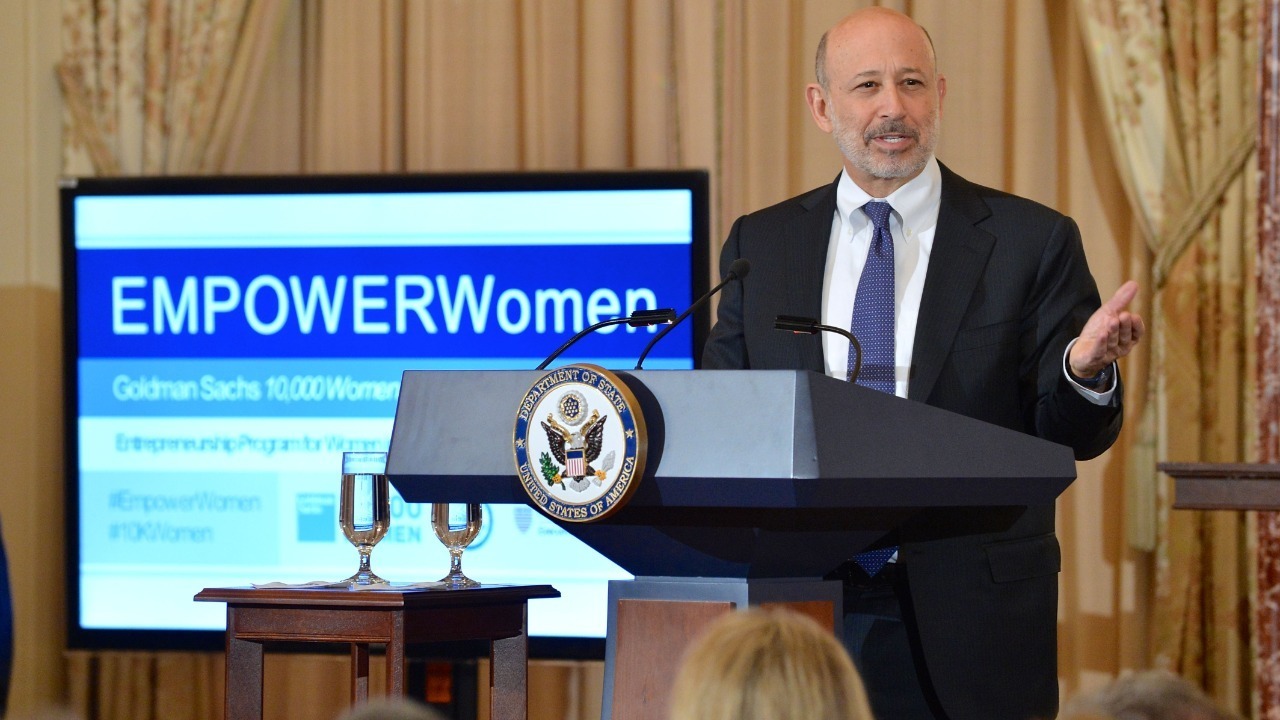
A Goldman Sachs executive recently addressed concerns about artificial intelligence (AI) displacing jobs in the banking sector, asserting that AI is not eliminating roles but rather transforming them. This statement aligns with Goldman Sachs CEO David Solomon’s earlier remarks, emphasizing that while job functions may evolve, AI will not destroy human employment. The firm’s tech chief also highlighted the collaborative potential of AI, suggesting that AI agents will become integral coworkers in banking operations, enhancing rather than replacing human efforts.
Goldman Sachs Executive’s Reassurance on Job Security
The Goldman Sachs executive’s assertion that AI is not taking banking jobs provides a counter-narrative to the widespread anxiety about automation in the financial industry. This statement, made on October 27, 2025, underscores the firm’s commitment to integrating AI without sacrificing human roles. The executive’s role at Goldman Sachs involves overseeing the implementation of AI technologies, ensuring that these innovations enhance efficiency while maintaining human oversight. This approach reflects a broader industry trend where AI is used to augment human capabilities rather than replace them entirely. For instance, in areas like risk assessment and customer service, AI tools are employed to streamline processes, allowing employees to focus on more complex tasks that require human judgment and creativity.
Goldman Sachs has been actively integrating AI into its operations, yet there have been no reported layoffs directly linked to this technological advancement. This strategy highlights the firm’s dedication to preserving job security while embracing innovation. By focusing on AI’s potential to improve productivity and decision-making, Goldman Sachs aims to reassure its workforce and stakeholders that technology can coexist with human employment, fostering a more efficient and dynamic work environment.
CEO David Solomon’s Vision for AI and Employment
David Solomon, CEO of Goldman Sachs, has been vocal about his belief that AI will not lead to job destruction. In his comments on October 23, 2025, Solomon stated, “Yes, job functions will change…but I’m excited about it,” reflecting his optimism about the evolving nature of work in the banking sector. This perspective emphasizes the potential for career evolution as AI technologies are adopted, suggesting that employees will have opportunities to develop new skills and take on more strategic roles. Solomon’s vision for the future of employment at Goldman Sachs involves leveraging AI to drive innovation and efficiency while ensuring that human workers remain central to the firm’s operations.
Solomon’s broader perspective on employment highlights the transformative impact of AI on job functions rather than job elimination. By focusing on how AI can enhance existing roles and create new opportunities, Solomon positions Goldman Sachs as a leader in navigating the challenges and opportunities presented by technological advancements. This approach not only addresses concerns about job security but also underscores the potential for AI to drive positive change in the financial industry.
AI Agents as Collaborative Tools in Banking
The concept of AI agents as collaborative tools in banking was articulated by Goldman Sachs’ tech chief on May 23, 2025. He predicted that AI agents would become essential coworkers, working alongside human teams to enhance financial workflows. This vision positions AI as a supplement to human efforts, handling routine tasks and freeing up employees to focus on more strategic work. By integrating AI agents into their operations, Goldman Sachs aims to improve efficiency and productivity while maintaining a human-centered approach to banking.
The tech chief emphasized the importance of seamless integration, drawing from Goldman Sachs’ tech initiatives to illustrate how AI can be adopted without disrupting existing workflows. This approach ensures that AI enhances rather than replaces human roles, creating a collaborative environment where technology and human expertise work together to achieve common goals. By focusing on non-disruptive AI adoption, Goldman Sachs aims to set a precedent for the financial industry, demonstrating that technology can be a powerful ally in driving innovation and growth.
Contrasting Skepticism from Tech and Economic Experts
Despite Goldman Sachs’ optimistic outlook, skepticism remains among tech and economic experts regarding AI’s impact on employment. Ex-Google executive Mo Gawdat dismissed AI job creation narratives as “‘100% crap'” and phoney, providing a critical counterpoint to the positive views expressed by Goldman Sachs. Gawdat’s skepticism highlights the ongoing debate about AI’s potential to create or eliminate jobs, suggesting that the narrative of AI as a job creator may be overstated.
Economists have also raised concerns about AI’s impact on employment, warning on October 22, 2025, that AI is already taking white-collar jobs, with the potential for further displacement in sectors like banking. This perspective contrasts with Goldman Sachs’ stance, highlighting the uncertainty surrounding AI’s long-term effects on the job market. While industry leaders like Solomon see AI as a catalyst for transformation rather than job loss, experts caution that the full impact of AI on employment may not yet be fully understood.
These contrasting views underscore the complexity of the AI employment debate, with stakeholders weighing the potential benefits and risks of technological advancement. As AI continues to evolve, the financial industry will need to navigate these challenges, balancing innovation with job security to ensure a sustainable future for both technology and human workers.
More From TheDailyOverview
- Dave Ramsey warns to stop 401(k) contributions
- 11 night jobs you can do from home (not exciting but steady)
- Small U.S. cities ready to boom next
- 19 things boomers should never sell no matter what

Grant Mercer covers market dynamics, business trends, and the economic forces driving growth across industries. His analysis connects macro movements with real-world implications for investors, entrepreneurs, and professionals. Through his work at The Daily Overview, Grant helps readers understand how markets function and where opportunities may emerge.