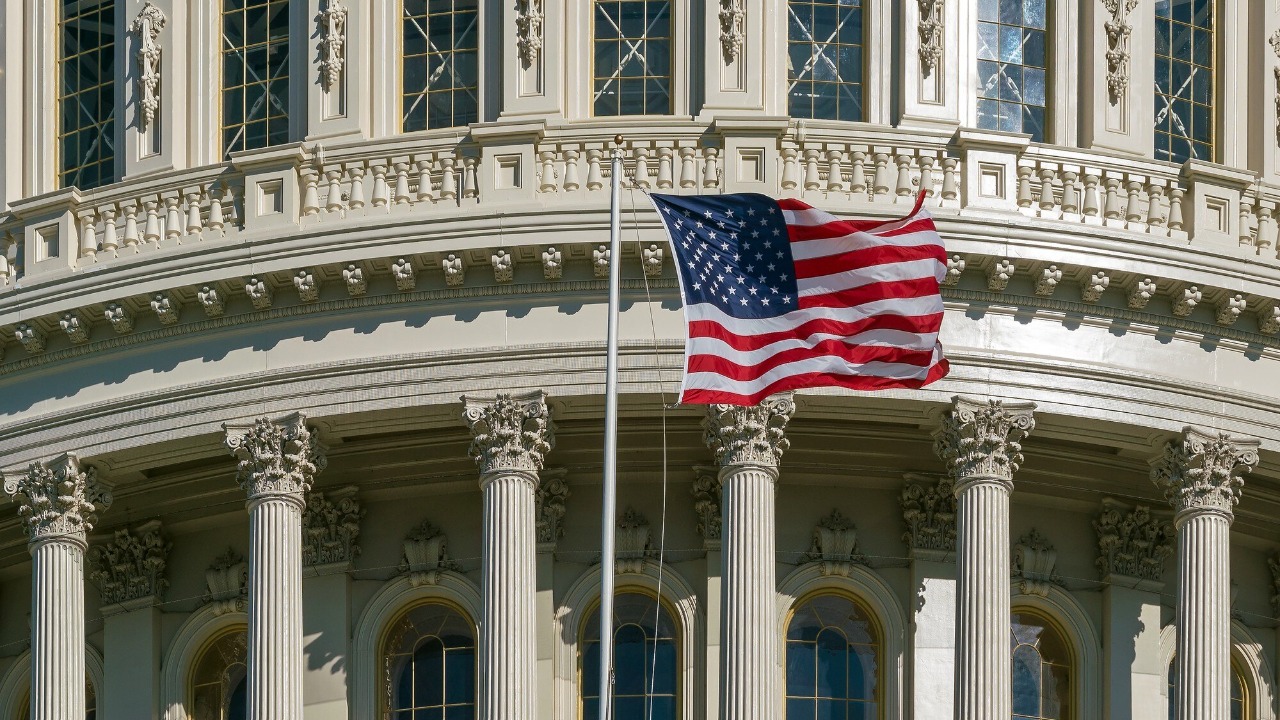
The US government shutdown has entered its 36th day, setting a new record as the longest in history after the latest Senate vote failed to pass a funding bill. This marks the 14th consecutive unsuccessful attempt by the Senate to resolve the funding impasse, with lawmakers remaining at odds in Washington, D.C. President-elect Donald Trump has maintained a firm stance, declaring he “won’t be extorted” by Democrats, which has further fueled the partisan tensions.
Latest Senate Vote Failure
The Senate’s 14th failed vote on November 4, 2025, rejected a funding bill, pushing the shutdown into unprecedented territory. The vote highlighted deep procedural and party-line divisions, with Democrats and Republicans unable to reach a consensus on the proposed measures. The failure of this vote was significant as it confirmed the shutdown’s historical length, surpassing the previous record of 35 days set during the 2018-2019 shutdown under President Trump. Senate leaders expressed their frustration over the continued deadlock, emphasizing the urgent need for a resolution.
In the immediate aftermath of the vote, Senate leaders from both parties issued statements reflecting their entrenched positions. The failure differed from previous attempts as it officially marked the shutdown as the longest in U.S. history. The mechanics of the vote required a supermajority, which the Republicans could not secure due to Democratic opposition tactics. This opposition has been a key factor in extending the shutdown beyond day 35, as reported by USA Today.
Trump’s Role in the Stalemate
President-elect Donald Trump has played a pivotal role in the ongoing stalemate. On November 3, 2025, he reiterated his position, stating he “won’t be extorted” by Democrats, underscoring his refusal to make concessions on border funding. This firm stance has influenced Republican senators, who aligned with Trump’s position during the November 4 vote, marking a shift from earlier negotiations. According to CNBC, this hardening of GOP positions has been a significant factor in the continued impasse.
Trump’s broader strategy has centered on demands for wall funding, which has been a contentious issue throughout his administration. This demand has prolonged the shutdown, drawing comparisons to previous impasses. The current situation reflects an escalation from the 2018-2019 shutdown, which lasted 35 days. As CBS News reports, Trump’s unwavering demands have been a critical factor in the shutdown’s duration.
Historical Milestones Surpassed
The shutdown’s 36th day on November 5, 2025, officially eclipsed the previous record, making it the longest in U.S. history. This milestone surpasses the 35-day shutdown of 2018-2019, highlighting the severity of the current political deadlock. The progression from day 35 to day 36 was marked by the Senate’s failure to pass a funding bill, cementing the shutdown’s place in history. The Guardian notes that this development underscores the deep divisions within the government.
Comparisons to past shutdowns reveal the escalating nature of the current crisis. The 1995-1996 shutdown under President Clinton lasted 21 days, a record that stood until the 2018-2019 shutdown. The current shutdown’s length reflects the heightened stakes and entrenched positions of the involved parties. As Erie News Now reports, the new record highlights the unprecedented nature of the current political impasse.
Immediate Impacts on Stakeholders
The ongoing shutdown has had significant impacts on various stakeholders, particularly federal workers in Washington, D.C. Over 800,000 employees have been furloughed or are working without pay, creating financial strain and uncertainty. The shutdown’s effects extend beyond the capital, with national parks and services experiencing disruptions. Locations like Yosemite have faced closures, intensifying the impact on tourism and local economies. CNBC highlights these disruptions as a direct consequence of the November 4 vote failure.
Democratic leaders have responded to the ongoing crisis by calling for renewed bipartisan talks. Senate Minority Leader Chuck Schumer has emphasized the need for dialogue to break the deadlock. However, the post-vote environment on November 4, 2025, remains tense, with little indication of a forthcoming resolution. As CBS News reports, the continued impasse underscores the challenges of reaching a compromise in the current political climate.
More From TheDailyOverview
- Dave Ramsey warns to stop 401(k) contributions
- 11 night jobs you can do from home (not exciting but steady)
- Small U.S. cities ready to boom next
- 19 things boomers should never sell no matter what

Grant Mercer covers market dynamics, business trends, and the economic forces driving growth across industries. His analysis connects macro movements with real-world implications for investors, entrepreneurs, and professionals. Through his work at The Daily Overview, Grant helps readers understand how markets function and where opportunities may emerge.

