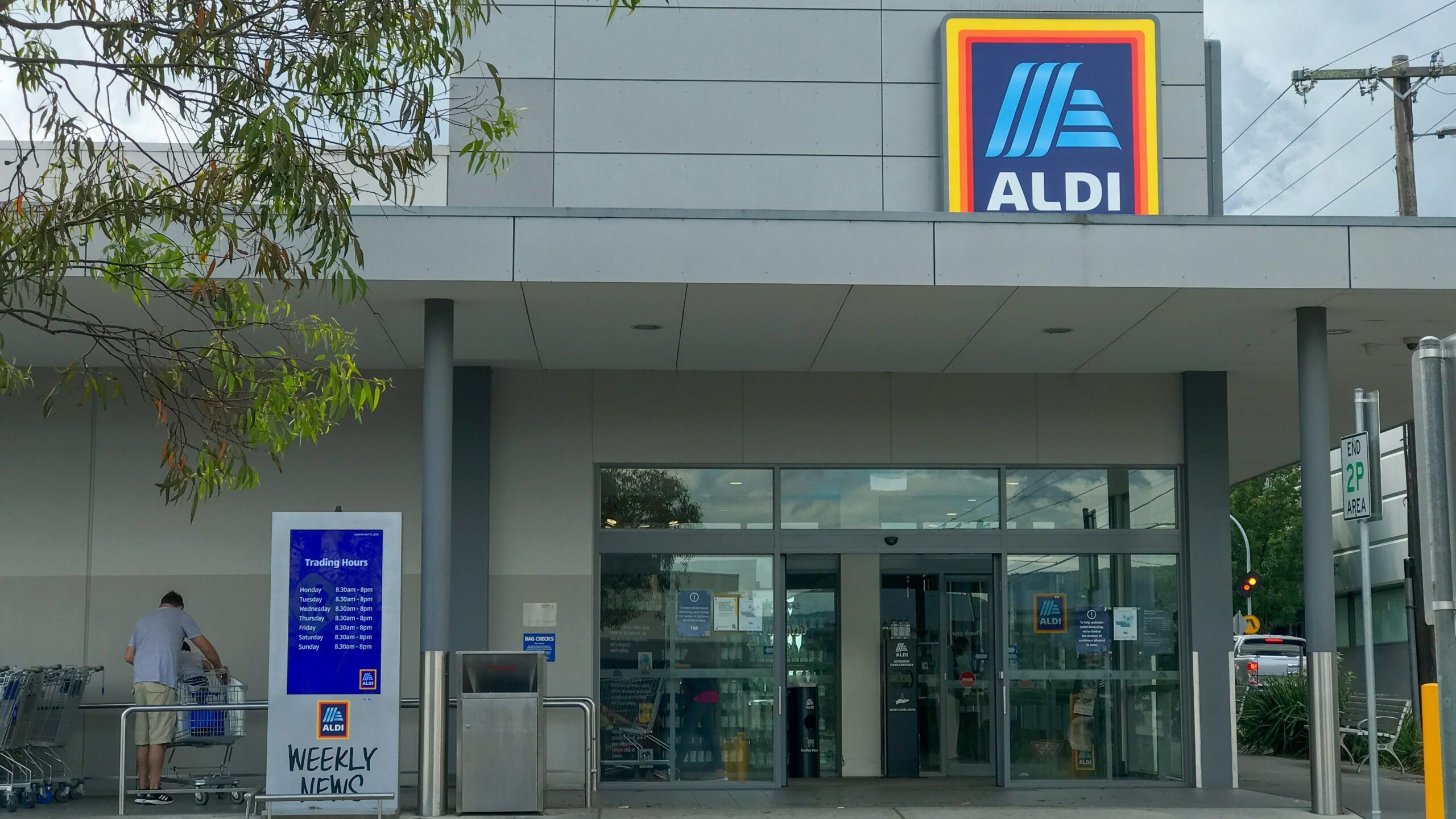
Grocery bills in Colorado have turned into a monthly shock, with food costs up roughly 25% since the pandemic and household budgets stretched to the breaking point. The surge has unfolded in a market where Kroger and Walmart together control about half of all supermarket sales, leaving shoppers with limited leverage and few true low-cost alternatives. Into that pressure cooker steps Aldi, betting that a stripped-down format and aggressive expansion can reset the price of a basic cart of food.
The German discounter is not just opening a handful of outposts, it is planning a full-scale push that includes dozens of stores and a new distribution hub. If Aldi executes, the chain will test whether a leaner model can puncture a concentrated market and narrow the gap between what Coloradans earn and what it costs to eat. The stakes are not abstract: for families in Denver, Colorado Springs and smaller communities, the difference could be measured in rent paid on time or skipped medical visits.
How a 25% spike turned the grocery aisle into a pressure point
When prices climb 25% in a few years, the change is not just a line on an inflation chart, it is a structural shift in how people live. In Colorado, that jump in grocery costs has collided with already high housing and transportation expenses, so the weekly shop has become a central political and economic flashpoint. Parents are trading brand loyalty for survival tactics, swapping fresh items for shelf-stable goods and cutting back on proteins to keep the total at the register from tipping into overdraft territory.
The pain is magnified by the shape of the market itself, where grocery prices have since the pandemic while Kroger and Walmart share half the market. That kind of concentration does not automatically mean collusion, but it does mean two companies have outsize influence over what most residents pay for milk, eggs and cereal. In a state that already wrestles with regional disparities between the Front Range and rural communities, the result is a sense that the system is tilted, with shoppers absorbing higher costs while the biggest chains retain their grip.
Why Colorado’s food market was primed for disruption
Colorado is not just any state for a grocer to enter, it is a place where geography and supply chains stack the deck against cheap food. The state is largely a food importer, which means long-haul trucking and complex logistics are baked into the cost of everything from lettuce to chicken. That structural reality has made it easier for large incumbents to pass along higher costs, because there have been few rivals positioned as a true lowest-cost option.
Analysts have described the current setup as a weakened market, one where limited competition and a heavy reliance on imports leave consumers exposed to shocks. In that context, the arrival of Aldi is being framed as an opportunity for disruption that could finally introduce a consistently lower price tier. The question is not just whether Aldi can undercut existing players, but whether its presence forces Kroger and Walmart to rethink how they price staples in a state where many shoppers feel they have been paying a premium simply for where they live.
Aldi’s 50-store bet and the Aurora hub
Aldi is not dipping a toe into this market, it is jumping in with a plan that would reshape the competitive map along the Front Range. The company has announced that 50 stores and a distribution center will be built in the state over the next five years, a scale of investment that signals a long-term commitment rather than a tentative test. That rollout is expected to focus first on the dense population centers where the gap between incomes and grocery costs is most acute.
Details of the buildout show how ambitious the push really is. Earlier this year, Aldi outlined plans to expand to Colorado, starting with 50 stores and a new logistics backbone. Separate statements have described more than 50 locations and that is expected to be operational within the next five years and fully completed by 2029. While the exact sequencing varies across reports, the throughline is clear: Aldi is building the infrastructure to support a dense network of stores, not a scattering of outposts that can be ignored by incumbents.
Smaller stores, lower prices and the food desert test
The core of Aldi’s strategy is architectural as much as financial. Its stores are typically about a fifth the size of a traditional supermarket, which slashes rent, staffing and inventory costs. That smaller footprint allows the chain to focus on a curated range of private-label products instead of stocking dozens of brands in every category, a model that keeps operations lean and prices low without relying on flashy promotions that vanish after a week.
One retail expert at a local university has argued that this compact format is exactly what many neighborhoods need, because it can fit into sites that are too small or too expensive for a full-size big-box store. That perspective holds that ALDI’s smaller footprint can help address local food access gaps by bringing fresh produce and basic staples closer to low-income residents. If that plays out, the impact would not just be lower prices, but a measurable shift in diets, with more households able to buy fruits, vegetables and proteins regularly instead of relying on convenience stores and fast food.
Colorado Springs, Denver and the coming price war
The first wave of stores is set to concentrate in the state’s two largest metro areas, where the collision between high prices and limited competition is most visible. Aldi plans to expand to Colorado, starting with areas within the next two years, a timetable that suggests shoppers will see concrete changes relatively quickly. Residents in Colorado Springs in particular have voiced hope that a new entrant will finally give them leverage against long-dominant chains, especially in neighborhoods where a single supermarket currently sets the tone on pricing.
Social media posts and local coverage have highlighted how Aldi announced plans to enter Colorado with more markets, underscoring just how concentrated this first phase will be. That clustering is strategic: by opening multiple locations in overlapping trade areas, Aldi can quickly build brand recognition and force Kroger and Walmart to decide whether to match prices, double down on loyalty programs or lean on their broader assortments to keep customers. I expect at least a localized price war on staples like milk, bread and eggs within the first year of Aldi’s arrival in these corridors, even if statewide averages take longer to move.
More From The Daily Overview
*This article was researched with the help of AI, with human editors creating the final content.

Grant Mercer covers market dynamics, business trends, and the economic forces driving growth across industries. His analysis connects macro movements with real-world implications for investors, entrepreneurs, and professionals. Through his work at The Daily Overview, Grant helps readers understand how markets function and where opportunities may emerge.

