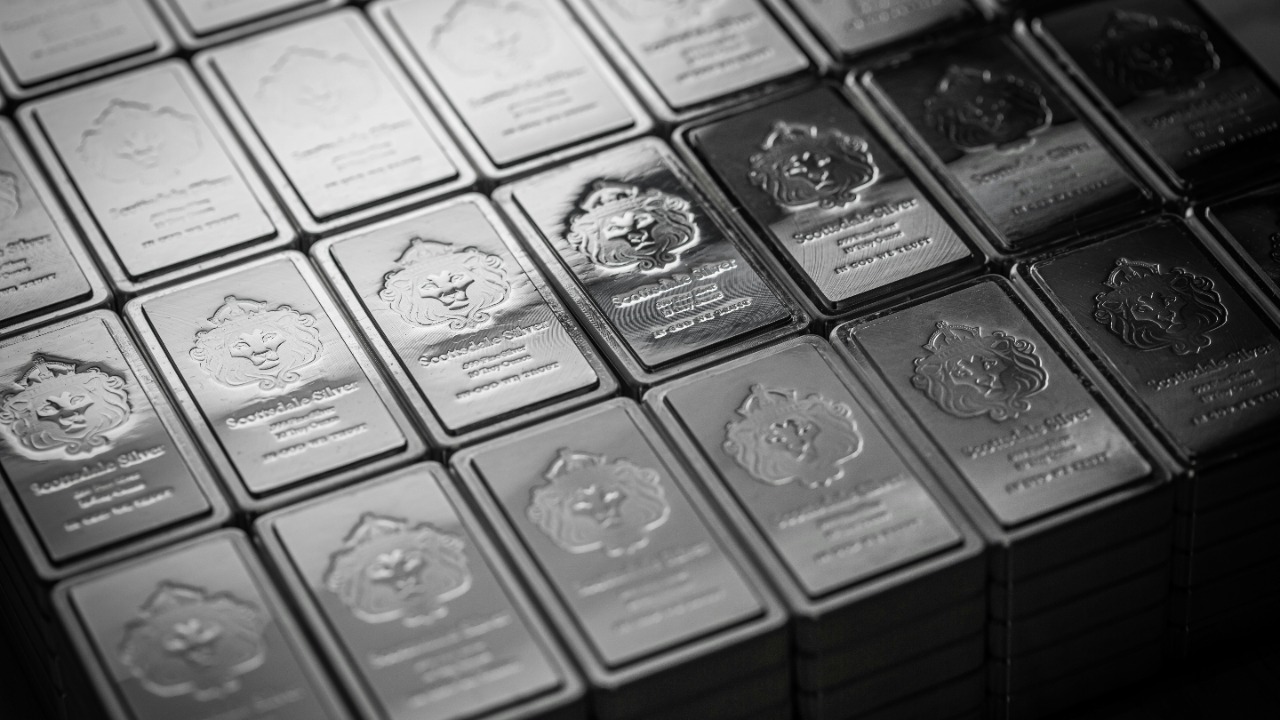
Silver has shifted from sleepy bystander to market protagonist, with prices punching through historic levels and trading like a high‑beta version of gold. The move is not a single-theme story, but the product of tight supply, surging industrial demand and a wave of investors suddenly treating the metal as both a green‑energy workhorse and a monetary hedge. I want to unpack how those forces intersect, and why the same dynamics that pushed silver to records could keep volatility elevated long after the headlines fade.
Silver’s breakout year: from laggard to leader
The first thing to understand about the current silver surge is its sheer scale. Earlier in 2025, silver was already in what one mid‑year analysis described as a strengthening bull market, with prices up nearly 25% year to date and momentum building as the year progressed. That move set the stage for the explosive rally that followed, as the metal broke through long‑standing resistance levels and forced both traders and long‑term investors to reassess what they thought silver could do in a single cycle. The same analysis highlighted how this “Silver Bull Market Gathers Strength” narrative was rooted in both investment flows and real‑world usage, not just speculative froth, which is crucial for judging how durable the move might be. Those early Key Takeaways framed silver as a market where fundamentals were finally catching up with years of underperformance.
By late autumn, the story had become even more dramatic. Reporting on Nov 28, 2025, showed that silver had not only rallied strongly, it had actually outpaced gold in 2025, with gains of about 71% compared with gold’s 54%. That kind of outperformance is not just a chart curiosity, it is a signal that investors are treating silver as a higher‑octane way to express the same macro views that drive gold buying, from concerns about inflation to skepticism about fiat currencies. When a traditionally secondary metal starts leading the precious‑metals complex, it tells me the market is repricing its role in portfolios, not just chasing a short‑term spike.
Spot prices confirm a powerful, ongoing bull run
Price tables from major bullion dealers and data providers reinforce how broad and persistent this move has been. As of Nov 28, 2025, live dashboards tracking the Silver Spot Price showed not just a high headline number, but a series of daily and intraday swings that reflect intense two‑way trading. Those tables, which break out Silver Spot Prices, the prevailing Silver Price and daily Change, underline how quickly sentiment can shift as traders react to economic data, central‑bank commentary and shifts in risk appetite. When I look at that kind of tape, I see a market that has graduated from niche status into something closer to a macro barometer.
Other real‑time feeds tell a similar story. A separate set of tables tracking the Silver Spot Price and associated Silver Spot Prices, including the quoted Silver Price and intraday Spot Change, describe a “current bull run” that has not yet been reversed. That language matters, because it suggests that even pullbacks have so far been treated as pauses within an uptrend rather than the start of a new down cycle. For investors trying to decide whether they are late to the party, the persistence of that pattern is as important as the absolute price level.
Industrial demand: the quiet engine behind the rally
What really distinguishes silver from gold in this cycle is how much of its demand comes from factories rather than vaults. One detailed breakdown of the market notes that, Unlike gold, more than 50% of silver’s annual demand is tied to Industrial Demand and Economic Growth. That means the metal’s price is tethered to the health of sectors like electronics, solar power and automotive manufacturing. When those industries expand, they pull silver higher almost mechanically, regardless of what traditional safe‑haven buyers are doing.
Silver’s unique physical properties amplify that effect. Reporting on Nov 28, 2025, highlighted that the metal has very high thermal conductivity and even higher electrical conductivity than other metals, which makes it indispensable in everything from solar panels to electric‑vehicle circuitry. Those characteristics are central to the argument that the metal’s value is likely to keep shining as the world spends heavily on decarbonization and digital infrastructure. When I see policymakers subsidizing solar farms and carmakers racing to electrify lineups like the Tesla Model 3 or the Ford F‑150 Lightning, I also see a structural bid for the metal that underpins those technologies, a point underscored by the focus on silver’s role in high thermal conductivity applications.
Green energy, EVs and the “forgotten” metal
The energy transition has turned silver into a kind of stealth climate metal. Mid‑year analysis in Jul 2025 framed the rally in part around booming demand from solar panels, electric vehicles and consumer electronics, noting that these sectors were central to the “Silver Bull Market Gathers Strength” narrative. When I look at the build‑out of rooftop solar in markets like California or Germany, and the proliferation of EVs from mass‑market models like the Hyundai Ioniq 5 to premium offerings like the Mercedes‑Benz EQS, I see a long pipeline of projects that will keep drawing on the same finite pool of refined silver. That is why the Jul Silver outlook treated green‑energy demand as a structural driver, not a passing fad.
Some analysts have gone further, arguing that silver remains under‑owned relative to its importance in the low‑carbon economy. A detailed August commentary, dated Aug 12, 2025, described Investing in Silver as “The Forgotten Opportunity” in in 2025, pointing to bullish demand from the automotive and green‑energy sectors and warning that if inflation accelerates and gold rises, silver could see an even sharper repricing. That framing, contributed by Nomad Capitalist, captures a key point: silver is not just a mirror of gold, it is a leveraged bet on both monetary policy and the physical build‑out of a greener grid.
From $40 to $56: milestones that reset expectations
Psychological price levels matter in commodities, and silver has been smashing through them. An Aug 4, 2025, outlook under the banner Silver Market Outlook discussed a potential Price Surge to $40 in in 2025, framing that level as a kind of line in the sand for a market that had spent years stuck in a lower trading range. The same piece, filed under Home and Industry News, described how the metal was “quietly making waves,” suggesting that many investors were still underestimating its potential. Once that $40 threshold was approached and then breached, the conversation shifted from whether silver could get there to how far beyond it might run.
By late November, that question had an answer. A detailed Silver Price Forecast dated Nov 27, 2025, reported that XAG/USD had surged to a record high above $56, with bulls firmly in control. That move did more than reward early buyers. It reset the mental models of traders who had long assumed silver was capped well below such levels, and it forced risk managers to revisit how they hedge exposure to a metal that can now move double‑digit percentages in short bursts. When a commodity blows through one “impossible” level after another, it tends to attract new capital simply because the old playbook no longer works.
Forecasts, predictions and the $42 milestone
Forward‑looking projections have both reflected and reinforced this bullish turn. A comprehensive set of Silver Price Predictions framed the current cycle against a backdrop of Market Performance that was already Surpassing Expectations. In that analysis, the authors pointed out that In 2024 silver prices had already crossed a decade‑long price ceiling, setting the stage for even more aggressive targets as industrial demand and investor interest converged. When I read forecasts that explicitly tie future price paths to “Industrial Demand,” I see a recognition that the old habit of treating silver purely as a monetary metal is outdated.
Another widely cited projection, dated Sep 25, 2025, focused on a Silver Price Forecast that highlighted a $42 Milestone and 45% YTD Gains. That piece argued that if you had been watching the market closely, you would recognize those numbers as part of a much bigger move rather than an endpoint. In my view, milestones like $42 serve as checkpoints in a longer journey, giving both bulls and skeptics a chance to reassess whether the fundamental story still justifies the price. So far, the combination of tight supply and robust demand has kept many of those forecasts looking conservative in hindsight.
Supply strains, manipulation claims and the “Devil’s metal” narrative
On the supply side, the rally has exposed how hard it is for mine output to keep up with a sudden surge in demand. Reporting on Nov 28, 2025, noted that silver mine production has struggled to match the pace of consumption, even as prices have climbed. That imbalance is one reason the metal has earned the nickname “Devil’s metal” among some traders, a nod to its tendency to overshoot in both directions and punish anyone who assumes it will behave like a tame version of gold. When a market with constrained supply meets a wall of new buying, the result is often the kind of vertical price action we have seen in 2025.
At the same time, long‑running debates about market structure and potential manipulation have resurfaced. A widely viewed video titled SILVER PRICE BREAKOUT CANNOT BE STOPPED, posted on Nov 27, 2025, argued that large players have historically “manipulated the price of silver” and framed the current breakout as a kind of reckoning. While those claims are contentious and, in many cases, unverified based on available sources, they speak to a broader mistrust of how the futures market functions. For individual investors, the key takeaway is not to accept every conspiracy theory at face value, but to recognize that silver trades in a complex ecosystem where sentiment about fairness and transparency can influence positioning just as much as macro data.
Macro backdrop: inflation fears and safe‑haven flows
Beyond industrial usage, the macro environment has been a powerful tailwind. Over the past five years, Silver prices have climbed steadily from around levels near $20 per ounce in in 2020 to just under much higher marks by Oct 28, 2025, as investors added precious metals to portfolios as a hedge. That gradual rise set the stage for the sharper move in 2025, as persistent inflation concerns, questions about real interest rates and geopolitical tensions pushed more capital into hard assets. When I talk to wealth managers, many describe silver as a way to diversify beyond gold while still expressing a view on currency debasement and policy uncertainty.
Some analysts have even floated the possibility that silver could eventually approach triple‑digit prices, asking whether it might hit $100 per ounce if current trends continue. Those projections, detailed in late October coverage of what “some experts predict,” are not consensus forecasts, but they illustrate how far the Overton window has shifted. A few years ago, such numbers would have sounded fanciful. Today, they are part of mainstream debate about how investors should allocate to metals within a diversified portfolio, as highlighted in the discussion of adding precious metals to your investment portfolio.
Why the story is bigger than 2025’s spike
When I step back from the daily price action, what stands out is how many different forces are pulling in the same direction. Industrial users need silver for electronics, solar panels and EVs. Investors are buying it as both an inflation hedge and a way to bet on the energy transition. Supply growth is constrained, and years of underinvestment mean new mines cannot be brought online overnight. That is why mid‑year commentary in Jul 2025 framed the rally as part of a broader “Silver Bull Market Gathers Strength” narrative rather than a one‑off spike, and why subsequent reports on record highs in Nov treated the move as the continuation of a trend that began well before 2025.
None of this guarantees a straight line higher. Silver’s history is littered with brutal corrections, and the same volatility that delivered 45% YTD gains and a sprint to $56 can work in reverse if macro conditions shift or speculative money rushes for the exits. But the core reasons silver prices are soaring right now, from the dominance of Industrial Demand to the metal’s unique role in green technology, are not going away anytime soon. For investors and policymakers alike, the challenge is to treat this not as a speculative sideshow, but as a signal about how the global economy is being rewired in real time.
More From TheDailyOverview
- Dave Ramsey warns to stop 401(k) contributions
- 11 night jobs you can do from home (not exciting but steady)
- Small U.S. cities ready to boom next
- 19 things boomers should never sell no matter what

Elias Broderick specializes in residential and commercial real estate, with a focus on market cycles, property fundamentals, and investment strategy. His writing translates complex housing and development trends into clear insights for both new and experienced investors. At The Daily Overview, Elias explores how real estate fits into long-term wealth planning.