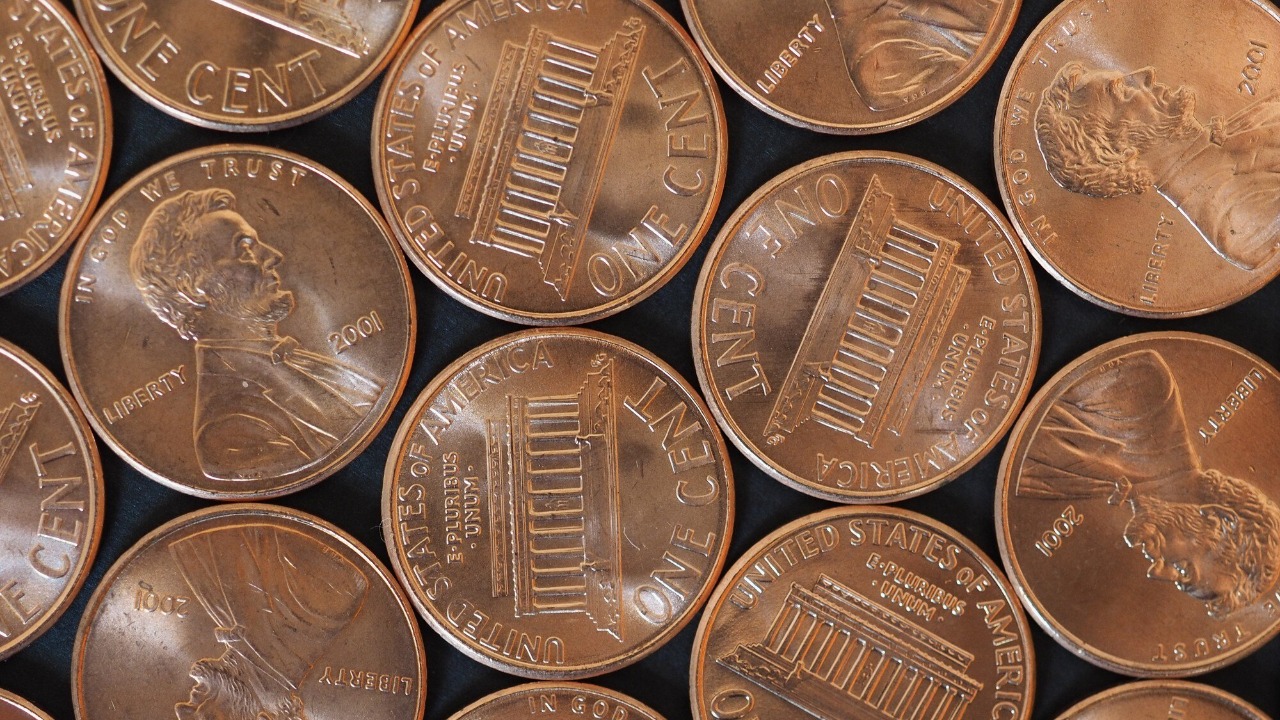
The U.S. penny, a coin often criticized for its negligible purchasing power, remains a fixture in American currency. Despite calls for its elimination due to production costs exceeding its face value, the penny’s continued existence is supported by several entrenched factors. An analysis published on November 15, 2025, highlights 300 billion reasons why the penny won’t disappear anytime soon, underscoring the vast number of pennies in circulation and their embedded role in everyday transactions.
Vast Circulation Makes Elimination Impractical
The sheer volume of pennies in circulation presents a formidable barrier to their elimination. With an estimated 300 billion pennies in use, the logistical challenges of recalling and destroying these coins are immense. This vast number complicates any effort to phase out the penny without causing significant disruption to commerce. Collecting billions of coins from households, businesses, and vending machines would require a massive, coordinated effort that could disrupt daily transactions and economic activities.
Countries that have successfully phased out low-denomination coins, such as Canada and Australia, did so with far fewer coins in circulation. Their experiences highlight the unique challenge the U.S. faces with its penny. In these countries, the transition was smoother due to the lower volume of coins, which made collection and destruction more manageable. In contrast, the U.S. scenario involves a much larger scale, making a similar transition far more complex and costly.
Production Economics Sustain the Penny
Despite the penny’s production cost exceeding its face value, the U.S. Mint continues to produce these coins annually. This ongoing commitment is driven by legal mandates that require the minting of pennies, regardless of the economic inefficiencies. The cost of materials such as zinc and copper plays a significant role in these production decisions. However, federal budgets continue to allocate funds for penny production, reflecting the coin’s entrenched status in the U.S. economy.
Efforts to end penny production have repeatedly stalled in Congress. Historical attempts at legislation to cease minting the penny have faced significant opposition, often due to concerns about the economic impact and the coin’s symbolic value. The penny’s continued production is a testament to the complex interplay of economic, legal, and cultural factors that sustain its existence.
Everyday Reliance Preserves Its Role
Consumer habits and business practices further entrench the penny’s role in the economy. Many cash transactions still rely on pennies for exact change, and pricing strategies often incorporate the coin to avoid rounding issues. This reliance on pennies is evident in point-of-sale systems that are designed to handle transactions involving these coins, as well as in charity collections that frequently use penny drives as a fundraising method.
The cultural attachment to the penny also plays a role in its persistence. Phrases like “a penny for your thoughts” reflect the coin’s symbolic value in American life, reinforcing its presence beyond mere economic transactions. This cultural significance contributes to the resistance against eliminating the penny, as it represents more than just a monetary unit to many Americans.
Legislative and Policy Barriers
Federal laws requiring pennies for certain transactions create additional barriers to their elimination. These legal requirements make it difficult to unilaterally abolish the penny without broad consensus and legislative action. Recent congressional hearings on coinage reform have highlighted the influence of various stakeholders, including numismatists and manufacturers, who have vested interests in maintaining the penny’s production.
Proposals for rounding rules in cashless payments have been suggested as a way to mitigate the penny’s necessity. However, these proposals fail to address the coin’s persistence in the physical economy, where cash transactions remain prevalent. The penny’s continued use in everyday transactions underscores the challenges of transitioning to a cashless society, where such small denominations might become obsolete.
In conclusion, the penny’s survival is supported by a combination of practical, economic, and cultural factors. Its vast circulation, production economics, everyday reliance, and legislative barriers all contribute to its continued existence. While discussions about the penny’s future persist, these entrenched factors suggest that the coin will remain a part of American currency for the foreseeable future.
More From TheDailyOverview
- Dave Ramsey says these two simple questions show whether you’re rich or poor
- Retired But Want To Work? Try These 18 Jobs for Seniors That Pay Weekly
- IRS raises capital gains thresholds for 2026 and what’s new
- 12 ways to make $5,000 fast that actually work

Grant Mercer covers market dynamics, business trends, and the economic forces driving growth across industries. His analysis connects macro movements with real-world implications for investors, entrepreneurs, and professionals. Through his work at The Daily Overview, Grant helps readers understand how markets function and where opportunities may emerge.

