
Managing an emergency fund is crucial for financial stability and peace of mind. Dave Ramsey, a renowned personal finance expert, offers valuable insights into building and maintaining a robust emergency fund. Whether you’re just starting or looking to optimize your savings strategy, these rules can guide you toward financial resilience. Here are Dave Ramsey’s top strategies for managing your emergency fund effectively.
Establish a Starter Emergency Fund
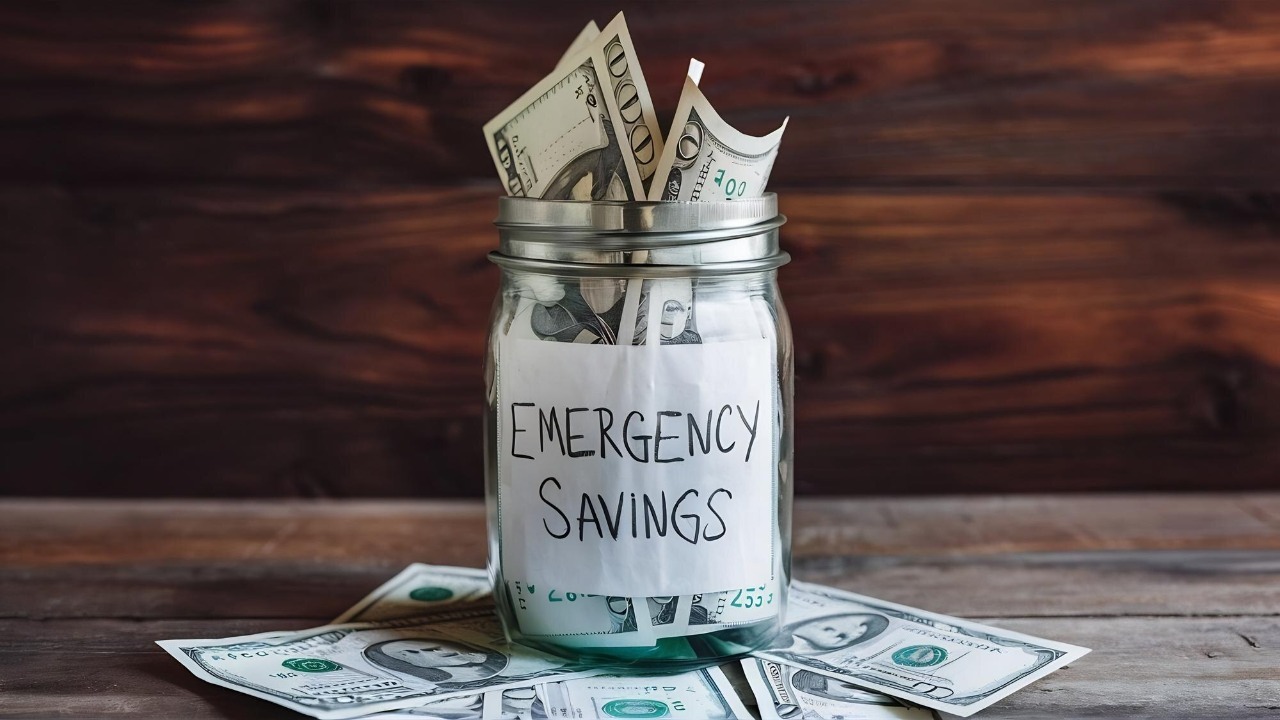
Dave Ramsey emphasizes the importance of establishing a starter emergency fund of $1,000. This initial fund acts as a buffer against unexpected expenses and prevents you from falling into debt. Whether it’s a sudden car repair or a health emergency, having this money set aside can provide a sense of security.
Starting small with a $1,000 fund allows you to create a foundation for future savings. It’s a realistic and achievable goal that encourages you to prioritize financial discipline. Once this fund is in place, you can focus on paying off debts or increasing your emergency savings.
Prioritize Saving Over Spending
Saving should always take precedence over discretionary spending. Ramsey advises treating your emergency fund like a non-negotiable monthly bill. By automating your savings, you can ensure that you’re consistently contributing to your fund.
Developing this habit can transform your financial outlook. Instead of spending on non-essential items, focus on securing your financial future. This mindset shift is essential for building a resilient emergency fund.
Determine a Target Amount
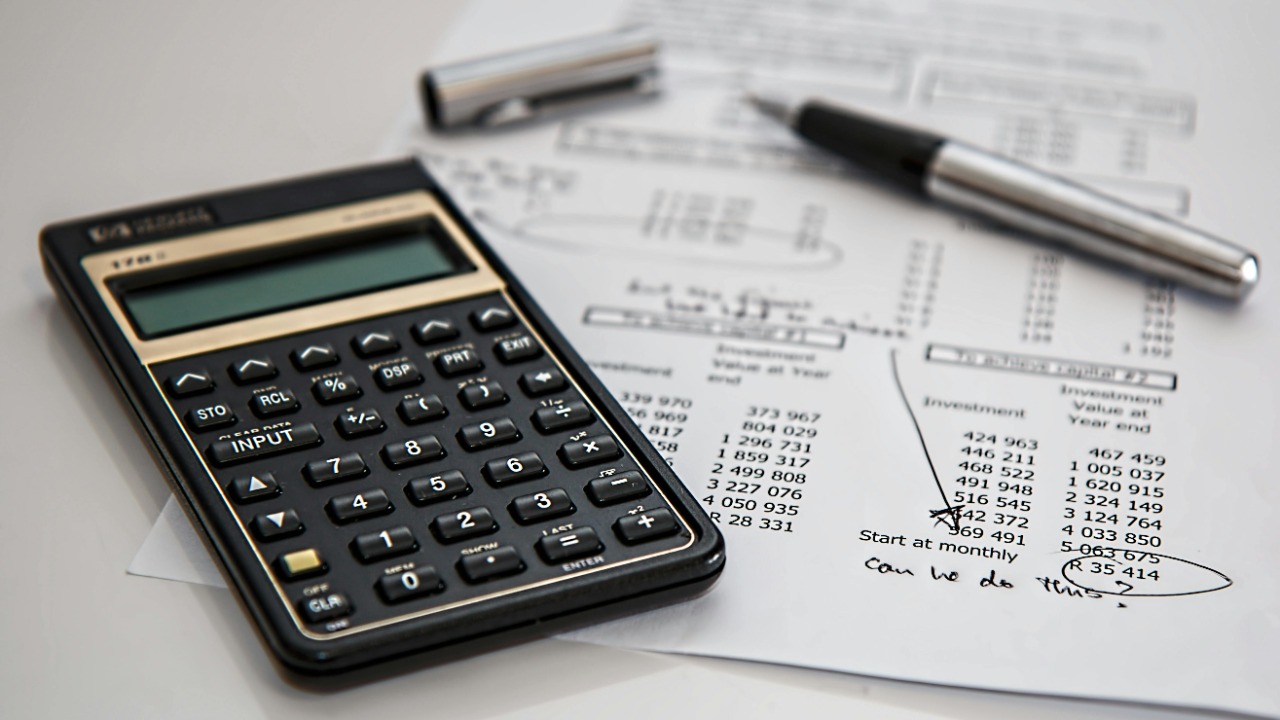
While the starter fund is crucial, Dave Ramsey recommends building a comprehensive emergency fund that covers 3-6 months of living expenses. Calculate your essential monthly expenses, such as rent, groceries, and utilities, to determine your target amount.
This larger fund provides a safety net against prolonged periods of unemployment or significant life changes. It’s about preparing for the unexpected and ensuring you have the resources to maintain your lifestyle even during tough times.
Keep Funds Accessible but Separate
Your emergency fund should be easily accessible in case of a crisis, but not so accessible that you’re tempted to dip into it for non-emergencies. A dedicated savings account at a different bank can be a good solution.
By keeping these funds separate from your regular checking account, you reduce the temptation to use them for everyday purchases. This separation reinforces the importance of the fund’s intended purpose.
Replenish After Use

If you need to use your emergency fund, prioritize replenishing it as soon as possible. Treat it like paying off a debt—make consistent contributions until it’s fully restored.
Replenishing your fund is critical for maintaining your financial safety net. Without it, you risk falling back into debt or being ill-prepared for future emergencies.
Avoid Using for Non-Emergencies

It’s essential to distinguish between true emergencies and non-urgent expenses. According to Dave Ramsey, an emergency is an unforeseen and necessary expense, not a vacation or gadget upgrade.
By maintaining strict criteria for what constitutes an emergency, you ensure your fund is available when you genuinely need it. This discipline is key to preserving your financial security.
Regularly Review Your Savings Goal

Periodically reviewing your savings goal ensures it remains aligned with your current financial situation. Life changes, such as a new job, marriage, or having children, can impact your monthly expenses.
Adjust your target amount as needed to ensure your emergency fund remains adequate. Regular reviews help you stay proactive and prepared for life’s uncertainties.
Increase Fund as Income Grows
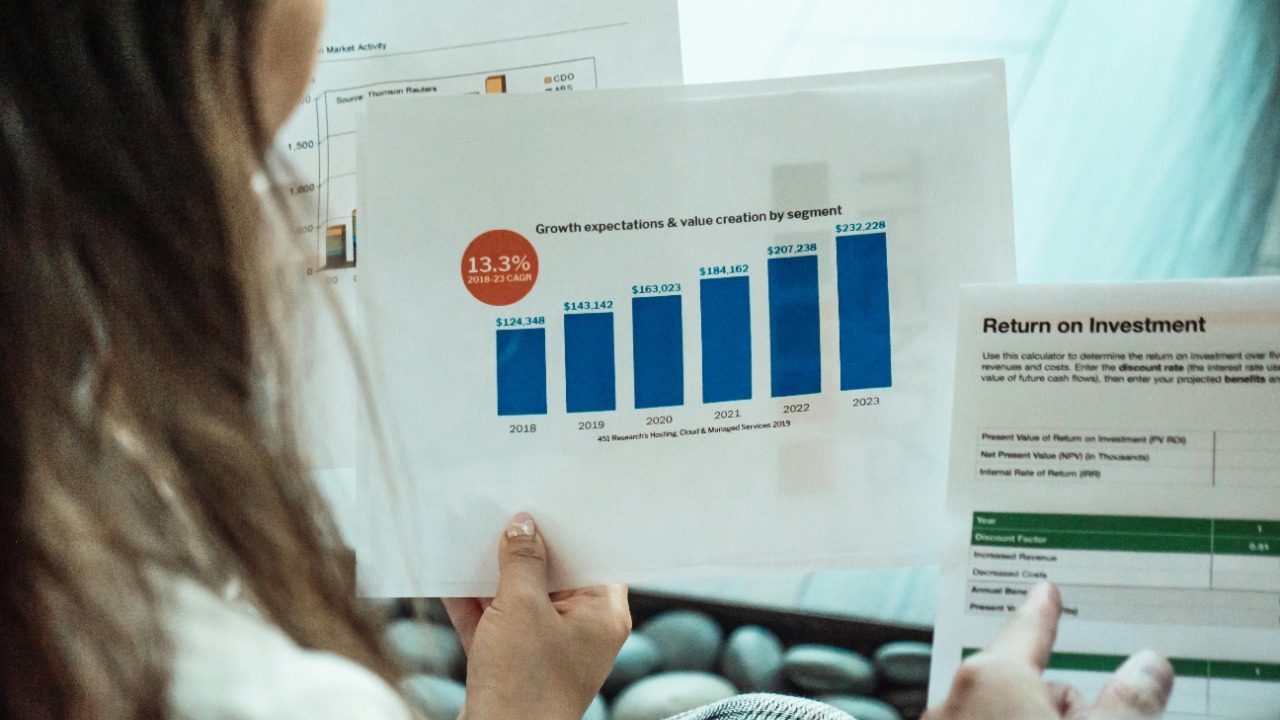
As your income increases, consider raising your emergency fund contributions. A larger income often comes with higher expenses, and your emergency fund should reflect that.
By increasing your savings, you maintain a proportional safety net that can cover your lifestyle’s evolving costs. This approach keeps your emergency fund relevant and effective.
Include It in Your Budget
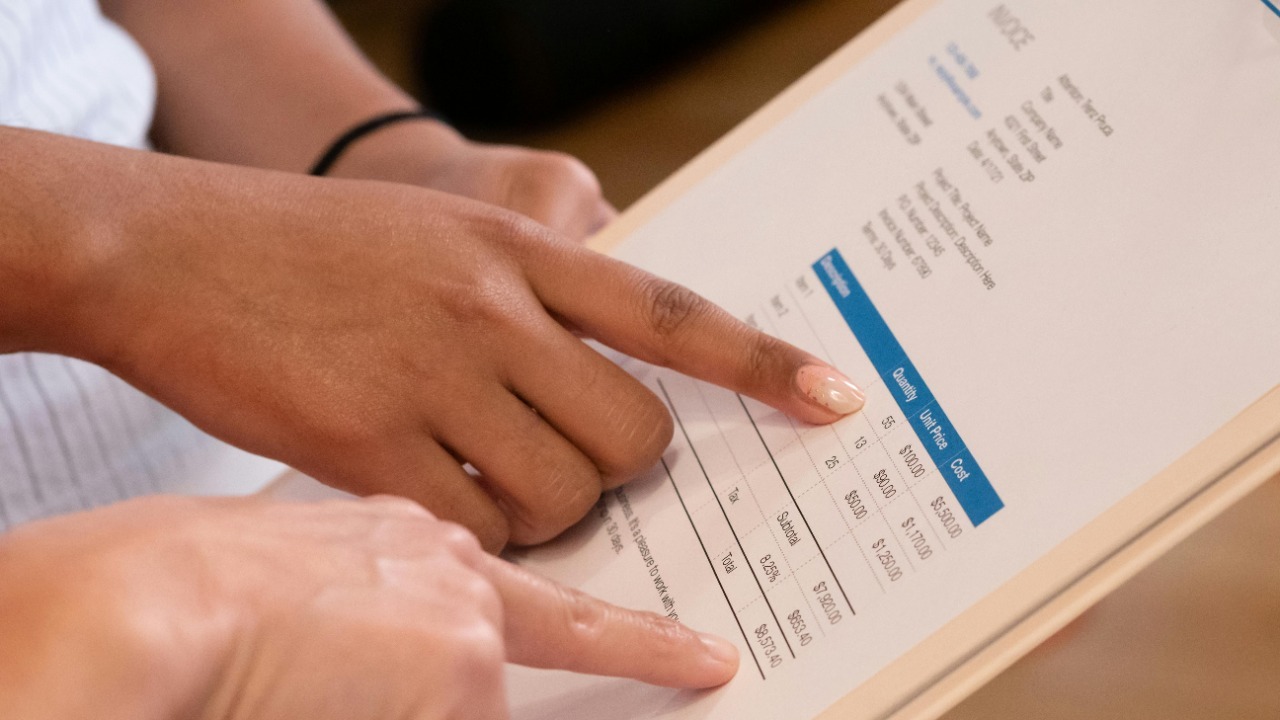
Incorporate your emergency fund contributions into your monthly budget. Treat it as a fixed expense to ensure you’re consistently working towards your savings goal.
By integrating it into your budget, you make saving for emergencies a priority rather than an afterthought. This practice strengthens your financial discipline and planning.
Use a High-Yield Savings Account

Storing your emergency fund in a high-yield savings account can help it grow over time. While the primary purpose is not investment, earning some interest can offset inflation.
This strategy allows your money to work for you while ensuring it remains accessible for emergencies. Be sure to select an account with no fees and easy access.
Stay Disciplined and Consistent

Consistency is key to building and maintaining an effective emergency fund. Set up automatic transfers to ensure you’re regularly contributing to your savings.
By staying disciplined, you create a robust safety net that can support you through financial challenges. Consistent effort transforms saving into a sustainable habit.
Educate Family Members

Involve your family in discussions about the emergency fund to ensure everyone understands its importance. By educating family members, you build a collective commitment to maintaining the fund’s integrity.
Discussing financial goals and strategies fosters a supportive environment. It ensures that everyone is on the same page and contributes to the fund’s success.

Silas Redman writes about the structure of modern banking, financial regulations, and the rules that govern money movement. His work examines how institutions, policies, and compliance frameworks affect individuals and businesses alike. At The Daily Overview, Silas aims to help readers better understand the systems operating behind everyday financial decisions.

