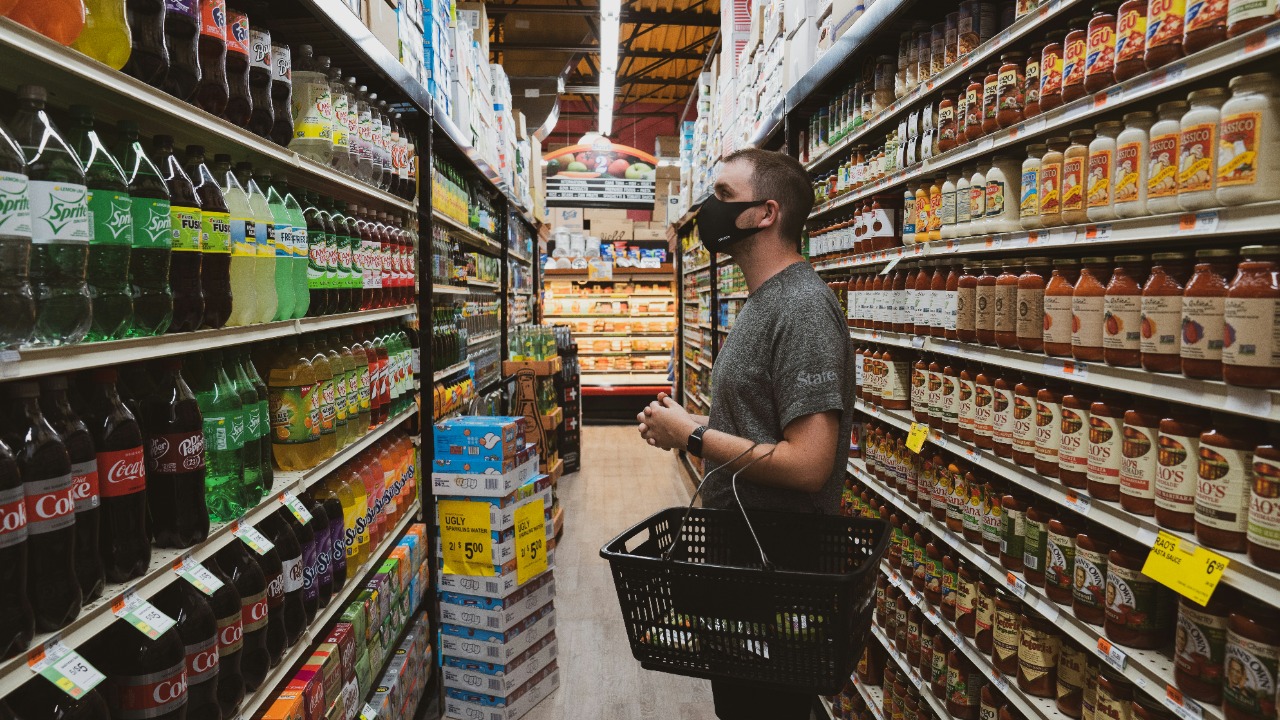
As food prices soar to unprecedented levels, Americans are reevaluating their grocery shopping habits. Traditional strategies like sticking to a strict shopping list are being questioned as consumers seek more flexible and strategic approaches to manage their grocery expenses. This shift reflects broader economic pressures that are reshaping how households approach budgeting for essentials.
The Surge in Food Prices and Its Nationwide Impact
Grocery costs have escalated dramatically, reaching record highs as of October 31, 2025. This surge in prices is forcing American households to adapt in various ways. Families across the country are adjusting their meal planning and portion sizes to cope with the increased financial burden. For example, some are opting for more affordable meal options or reducing the frequency of meat-based dishes to manage their budgets effectively. The impact is felt across different regions, with both urban and rural communities experiencing the strain of rising costs.
Particularly affected are categories like produce and proteins, which have seen the sharpest price increases. These staples are essential for balanced nutrition, yet their rising costs are making it difficult for families to maintain healthy diets. Economic indicators tied to the 2025 inflation trends highlight these challenges, underscoring the need for consumers to find new ways to stretch their grocery dollars. As prices continue to climb, the pressure on household budgets is unlikely to ease, prompting a reevaluation of traditional shopping habits.
Traditional Grocery Strategies Under Scrutiny
Shopping lists have long been a staple of budgeting strategies, praised for their ability to reduce impulse purchases and keep spending in check. However, in the current volatile market, the effectiveness of rigid lists is being questioned. While lists can help avoid unnecessary buys, they may also lead to missed opportunities for savings, such as discounts or bulk purchase deals. This has led some consumers to reconsider whether sticking strictly to a list is the best approach to saving money on groceries.
Recent coverage has highlighted the limitations of shopping lists in today’s economic climate. Some consumers have found that adhering too closely to a list can prevent them from taking advantage of unexpected sales or promotions. For instance, a shopper might overlook a significant discount on a staple item simply because it wasn’t on their list. This has sparked a debate about whether more flexible shopping strategies might be more effective in optimizing savings amid fluctuating prices.
Alternative Approaches to Smarter Grocery Shopping
In response to the challenges posed by rising food prices, many consumers are turning to alternative shopping strategies that offer greater flexibility. One popular approach is meal prepping based on sales flyers, which allows shoppers to prioritize weekly deals and potentially save 20-30% on their grocery bills. By planning meals around discounted items, consumers can make the most of available promotions and reduce overall spending.
Technology is also playing a crucial role in helping consumers navigate the dynamic grocery market. Apps that facilitate price comparison and offer digital coupons are proving to be valuable tools for shoppers. These apps can outperform static lists by providing real-time information on the best deals available, enabling consumers to make informed purchasing decisions. Additionally, regional adaptations, such as urban versus rural strategies, demonstrate the varied ways in which consumers are rethinking their buying habits to maximize savings.
Long-Term Implications for Consumer Behavior
The sustained high prices reported in late 2025 could lead to permanent shifts in consumer behavior, with more people turning to sustainable and local sourcing options. As consumers become more conscious of their spending, there is a growing emphasis on balancing nutrition with affordability. Education on label reading and seasonal buying is becoming increasingly important, helping shoppers make healthier and more cost-effective choices.
Potential policy responses, such as subsidies or anti-inflation measures, could play a role in easing the financial burden on consumers. These initiatives may help stabilize prices and provide relief to households struggling with grocery costs. As the situation evolves, it will be crucial to monitor how these measures impact consumer behavior and whether they lead to lasting changes in shopping habits.
Overall, the current economic climate is prompting a reevaluation of traditional grocery shopping strategies. As consumers seek new ways to manage their expenses, flexible and innovative approaches are becoming essential tools for navigating the challenges of rising food prices. By embracing these strategies, households can better adapt to the ongoing economic pressures and maintain their financial well-being.
More From TheDailyOverview
- Dave Ramsey warns to stop 401(k) contributions
- 11 night jobs you can do from home (not exciting but steady)
- Small U.S. cities ready to boom next
- 19 things boomers should never sell no matter what

Cole Whitaker focuses on the fundamentals of money management, helping readers make smarter decisions around income, spending, saving, and long-term financial stability. His writing emphasizes clarity, discipline, and practical systems that work in real life. At The Daily Overview, Cole breaks down personal finance topics into straightforward guidance readers can apply immediately.
