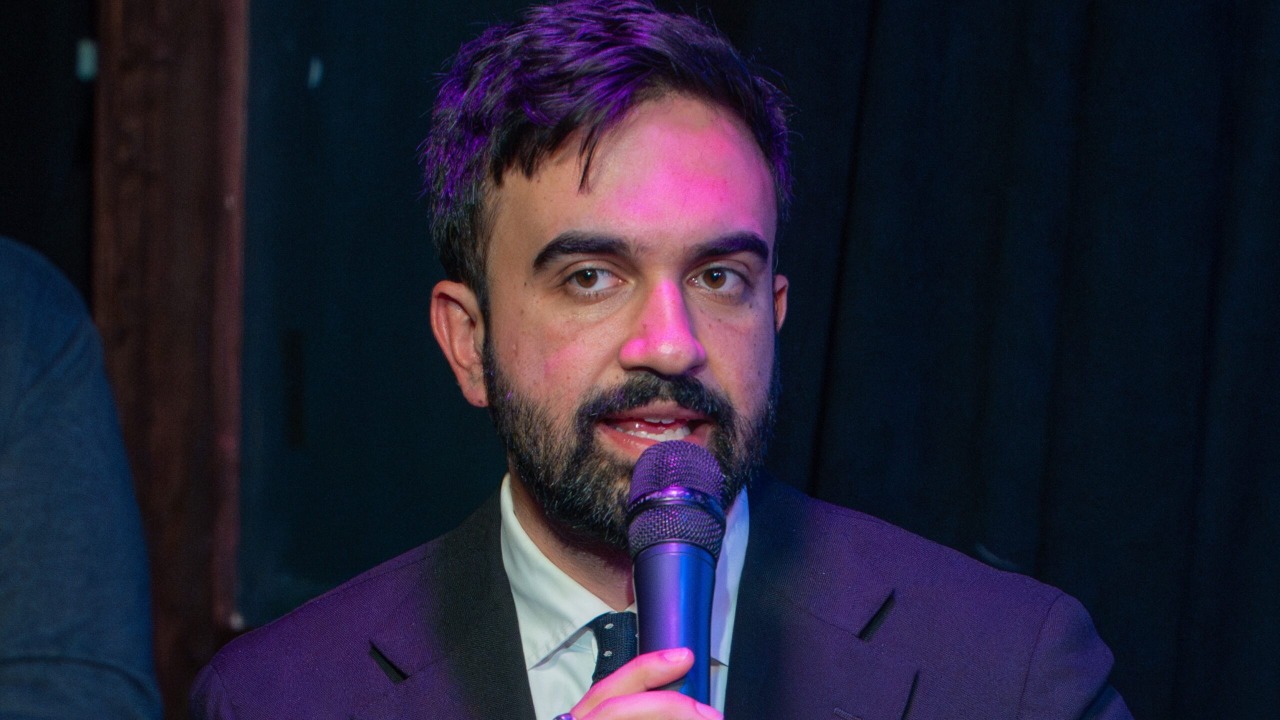
New York City Mayor Zohran Mamdani proposed a preliminary $127 billion budget on February 17, 2026, that includes a 9.5% property tax increase and has drawn fierce opposition from the City Council, landlords, and Governor Kathy Hochul. The plan attempts to close a $5.4 billion deficit through a combination of state aid demands and tax hikes, but it also slashes library funding and cancels a planned police expansion, raising questions about whether the city’s fiscal trajectory is sustainable or simply trading one crisis for another.
A $127 Billion Plan Built on Ultimatums
Mamdani framed his budget as a binary choice: either the state legislature and Governor Hochul approve new taxes on residents earning over $1 million a year, or homeowners absorb a 9.5% property tax increase as a “last resort.” That framing immediately alienated key allies. The City Council, which must negotiate the final spending plan, pushed back hard; one council member dismissed the approach as “baloney” in comments reported by the New York Post, underscoring how the ultimatum has hardened opposition rather than building consensus. Governor Hochul, for her part, has already signaled that she does not support the proposed millionaire’s tax, leaving the mayor’s preferred revenue option without a clear path in Albany.
The spending total itself tells a story of rapid escalation. According to reporting in City & State, the $127 billion figure for the next fiscal year represents roughly a $9 billion jump from the $118 billion budget for the current fiscal year. That gap, however, sits alongside a conflicting data point: the New York City Council voted to adopt a Fiscal Year 2026 budget of $115.9 billion, per the Council’s own press release, while the city’s November 2025 financial plan from the Office of Management and Budget outlines a slightly different set of baselines in its multi‑year projections. Whether the increase is closer to $9 billion or $11 billion, the direction is unmistakable: spending is climbing far faster than recurring revenue, and the mayor is asking taxpayers and state lawmakers to simply keep pace.
Reserves Drained, Deficits Growing
The city has already burned through significant financial cushions to keep its books balanced. According to the mayor’s own budget release, the city applied $980 million from the Rainy Day Reserve Fund in Fiscal Year 2026, along with $229 million from the Retiree Health Benefits Trust (one‑shot maneuvers that cannot be repeated indefinitely without eroding long‑term stability). Mamdani has argued there are only two realistic ways to close the $5.4 billion deficit: securing more state aid or raising property taxes. Critics counter that this binary leaves no meaningful room for spending restraint or programmatic reform, effectively treating every existing obligation as sacrosanct while asking homeowners to shoulder the risk of future downturns.
The structural picture beyond this single budget cycle is even more troubling. In its latest review of the city’s adopted budget, the New York City Comptroller’s Office warned that out‑year gaps are already widening, with projected shortfalls rising into the billions as labor contracts, social services, and debt service costs mount faster than projected revenues. The Comptroller’s analysis of the Fiscal Year 2026 plan flagged risks in areas the city tends to understate, including overtime, asylum‑related spending, and federally funded programs that are set to expire. Those concerns echo a December 2025 warning from State Comptroller Thomas P. DiNapoli that city budget gaps could approach $10 billion by FY2027 under a baseline scenario that assumes modest economic growth, suggesting that the current deficit is not an anomaly but part of a deepening structural imbalance.
Cuts That Contradict Campaign Promises
While taxes go up, services are being cut in ways that directly contradict Mamdani’s campaign rhetoric. The budget proposes slashing New York City library funding by $30 million, a reversal that drew pointed criticism from advocates who saw libraries as a cornerstone of the mayor’s equity agenda. One resident, Anthony Cole, told the New York Post that “his ideas were only ideas and now it’s harming New Yorkers,” capturing a broader frustration that the administration is retreating from promises to expand educational and cultural access just as it asks residents to pay more. Libraries are among the most heavily used public services in the city, and reducing their hours, programming, or acquisitions while simultaneously proposing the largest property tax increase in years creates a politically toxic combination: households would pay more and get less from the institutions they rely on most.
At the same time, the budget adds new mandated costs that lock in higher spending for years to come. The city is facing a state requirement to cap class sizes in public schools, a long‑sought reform that now carries a substantial price tag for new teachers, classroom space, and support staff. According to education outlet Chalkbeat, meeting the class‑size mandate will require the city to replace expiring one‑time federal relief funds with local dollars while simultaneously avoiding cuts to core school programs. That means the education budget will be under pressure from both directions: legal obligations to shrink class sizes and fiscal realities that limit how much new money can be found without further tax hikes or reductions elsewhere. For families who voted for Mamdani expecting robust investment in schools and youth services, the prospect of program cuts alongside rising fixed costs is likely to feel like a bait‑and‑switch.
Political Backlash and Limited Room to Maneuver
The political response has been swift and unusually unified in its skepticism. City Council members from across the ideological spectrum have criticized the mayor’s “tax the rich or tax homeowners” ultimatum as a negotiating tactic that boxes the city into an unnecessary corner. One council finance leader, quoted in a New York Post story on the budget rollout, argued that telling Albany to raise income taxes or forcing homeowners to swallow steep property hikes is “not how you help New Yorkers,” a line that encapsulates the Council’s view that the administration is using fear of service cuts to extract concessions. Council leaders have also signaled that they will push for restoring at least some of the proposed cuts to libraries and youth programs, setting up a contentious spring of hearings and behind‑the‑scenes bargaining.
Governor Hochul’s stance further complicates the calculus. By publicly rejecting the millionaire’s tax, she has effectively closed off the mayor’s preferred revenue source at the state level, at least in the near term. That leaves Mamdani with limited room to maneuver: he can scale back his spending ambitions, lean harder on property taxpayers, or hope that Albany ultimately delivers more aid without new statewide taxes—a scenario budget experts view as unlikely given the state’s own constraints. The mayor’s allies argue that his aggressive posture is a necessary gambit to force a broader conversation about progressive taxation and the city’s obligations to vulnerable residents. But opponents see a high‑stakes bluff that risks destabilizing the city’s finances if the hoped‑for state revenue fails to materialize and reserves have already been tapped.
A Test of Fiscal Credibility
Underlying the fight over specific line items is a deeper question about fiscal credibility. The city’s own November financial plan, laid out in detail by the Office of Management and Budget, shows that even under relatively optimistic assumptions, out‑year gaps will persist unless either recurring revenues rise significantly or expenditures are brought under tighter control. That plan, published as part of the administration’s four‑year outlook, assumes continued economic growth, stable Wall Street profits, and manageable labor settlements—assumptions that could be upended by a recession, market downturn, or an unexpected surge in asylum‑related costs. Against that backdrop, building a budget that leans on one‑time reserve draws and politically uncertain state tax changes risks leaving the city exposed if conditions worsen.
The stakes are not merely abstract. If the city’s credit outlook deteriorates because investors lose confidence in its willingness to align recurring revenues with recurring expenses, borrowing costs could rise, squeezing future budgets and forcing even more painful choices. Advocates for a more cautious approach argue that now is the time to slow the growth of spending, prioritize core services, and rebuild reserves while the economy is still relatively stable. Supporters of the mayor counter that austerity in the face of rising inequality would deepen hardship and undermine long‑term growth, insisting that higher taxes on the wealthy are both affordable and fair. The coming months of negotiations between Mamdani, the City Council, and state leaders will determine which vision prevails, and whether New York City can navigate its widening budget gaps without sacrificing either its fiscal health or the public services that define daily life for millions of residents.
More From The Daily Overview
*This article was researched with the help of AI, with human editors creating the final content.

Grant Mercer covers market dynamics, business trends, and the economic forces driving growth across industries. His analysis connects macro movements with real-world implications for investors, entrepreneurs, and professionals. Through his work at The Daily Overview, Grant helps readers understand how markets function and where opportunities may emerge.

