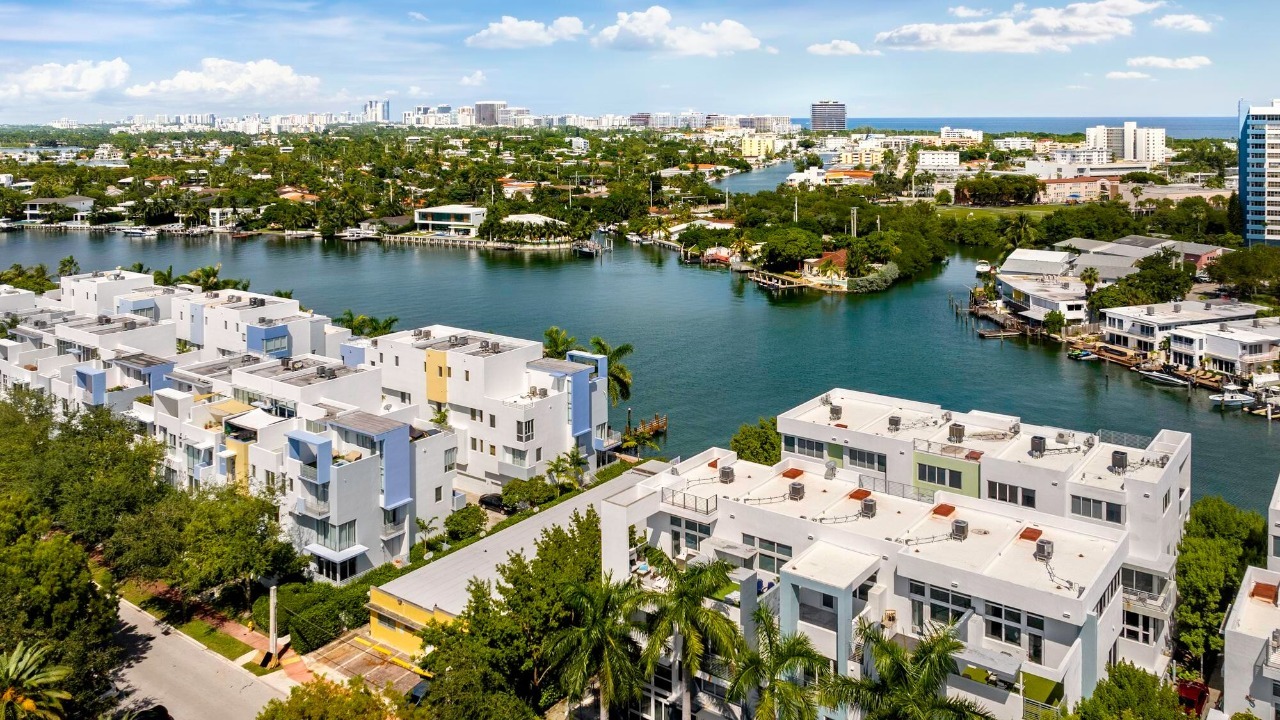
In Florida, the cost of protecting a house can now rival a year of college tuition. One retiree saw his homeowner policy jump past $14,000 and decided to drop coverage entirely, a move that has become a quiet coping strategy in neighborhoods from Miami to the Panhandle. I want to unpack what that choice really means, and whether skipping insurance is a rational response to a broken market or a financial gamble that could upend your retirement.
The stakes are high. Florida does not require homeowners insurance by law, yet storms, lawsuits and rising construction costs mean a single bad year can wipe out decades of savings. Before anyone follows that $14,000 example, it is worth looking closely at the real risks of “going bare,” the partial alternatives that exist, and the signs that the state’s battered insurance market may finally be shifting.
Why some Floridians are dropping coverage altogether
The retiree whose premium topped $14,000 is not an outlier. In one online discussion, a homeowner in Southwest Florida described how, “Unfortunately it’s the latest reality,” explaining that Two years ago they dropped wind coverage and saw their Insurance bill fall from $13,000 to $4,000. Many neighbors, they added, now self insure. Another retiree told a financial site that Florida homeowner’s insurance had jumped to more than $14,000, so he chose to go without, a decision highlighted in a piece on states that some retirees regret moving to, where the writer notes that in Florida the cost of coverage can add serious strain to fixed incomes.
Sticker shock is only part of the story. Years of insurer failures and steep hikes have left homeowners feeling trapped, especially when they are quoted premiums that rival their mortgage. One adjuster’s analysis of Why Rising Homeowners argues that even after legislative reforms, costs in Florida will KEEP Rising, Even After Reform, with some properties now costing $7,000 per year to insure. Faced with numbers like that, a subset of owners, especially those who have paid off their mortgages and are no longer bound by lender requirements, are deciding that the risk of going bare feels preferable to writing another five-figure check.
What “going bare” really exposes you to
Self insuring sounds deceptively simple: you skip the policy and keep the money in your own account. In practice, as one risk advisory firm explains, Self insuring your home means you alone bear the cost of any damage or loss. While you do save on premiums, you need to have huge reserves to rebuild after a major event, and for most people, the answer is no. A separate advisory aimed at Floridians who are tempted to drop coverage underscores that While self insuring can look attractive on paper, the financial shock of a total loss is more than most households can absorb.
Experts who work with storm victims are blunt about the danger. A local insurance specialist told one station that, Still, there are many risks associated with opting out of coverage in a state where hurricanes, floods and fires are threats we face all year round. Another analyst, Friedlander, put it more sharply, saying, “I mean, very few people are in that category, most average Florida consumers cannot afford to do this,” and adding a Caution that reforms are still needed to lower those premium prices. When I weigh those warnings against the short term relief of skipping a bill, the balance tilts heavily toward maintaining at least some level of protection.
Florida’s legal gray zone and the liability you cannot see
Part of what makes the decision so fraught is that Florida law gives homeowners wide latitude. As one detailed explainer notes, Does Florida require home insurance? No. The state does not mandate homeowners to carry insurance for fire, flood, theft or storms, although lenders can and do insist on it while a mortgage is in place. That legal freedom is one reason more Florida homeowners are self insuring, a trend highlighted in a video report that notes More Florida owners are going without, even as premiums have climbed more than 100% from pre pandemic levels.
What many people overlook is that property insurance is not just about the building. A consumer guide on the risks of going bare points out that Insurance covers property liability, so if someone gets injured on your property (a delivery person slips at the door, for example), you could be on the hook for medical bills and legal costs. Another advisory framed it starkly: What to know if you consider dropping insurance coverage is that no one is exempt from unforeseen circumstances that can damage or destroy a home. When I think about a retiree with a paid off house but limited cash flow, the liability exposure alone makes a full exit from the insurance system look far riskier than it might first appear.
Is the market finally turning a corner?
There is a second part to the decision that often gets lost in the panic over renewal notices: the market is not static. Analysts tracking statewide trends say that, after years of relentless hikes, What about Florida now looks slightly different. Although Florida has struggled with high insurance rates for years, Insurance.com data show a slight reduction in average premiums, suggesting that the worst of the spike may be easing. A separate review of Pricing Trends Florida in 2026 notes Increased Competition, with More insurers entering the market, which typically leads to more competitive pricing and better options for Homeown ers who are willing to shop.
State officials are also touting specific rate cuts. A recent announcement from the governor’s office highlighted that USAA is implementing an average decrease of 7%, Florida Farm Bureau is cutting rates by an average of 8.7%, and Progressive is planning an 8% average rate decrease, with other carriers targeting reductions of 4%. Separate reporting on the Rate environment notes that increases are slowing, with six companies announcing rate cuts, including Florida Peninsula Insurance at 8.4% and Heritage Prope among the carriers trimming prices.
Shopping smarter instead of opting out
For homeowners who feel cornered, the more realistic path may be to reshape coverage rather than abandon it. Consumer advocates stress that Florida owners can still find a range of options if they are willing to compare deductibles, coverage limits and carriers, and that What matters most is matching the policy to the home’s risk profile instead of defaulting to the first renewal quote. A separate guide aimed at people considering dropping coverage emphasizes What to know if you consider cutting back, including the possibility of choosing higher deductibles, trimming optional extras or moving to a more basic policy form instead of going bare.
Insurers themselves offer practical levers. A national carrier’s list of Tips for Lowering urges customers to Shop around for the best home insurance rates, Bundle home and auto policies, improve roof and wind mitigation features, and maintain good credit. Local agents echo that message, pointing to the influx of new companies as a chance to renegotiate. One regional analysis of Pricing Trends Florida notes that Increased Competition and More carriers mean homeowners who request multiple quotes are often able to secure better terms that meet their needs.
More From The Daily Overview
*This article was researched with the help of AI, with human editors creating the final content.

Elias Broderick specializes in residential and commercial real estate, with a focus on market cycles, property fundamentals, and investment strategy. His writing translates complex housing and development trends into clear insights for both new and experienced investors. At The Daily Overview, Elias explores how real estate fits into long-term wealth planning.

