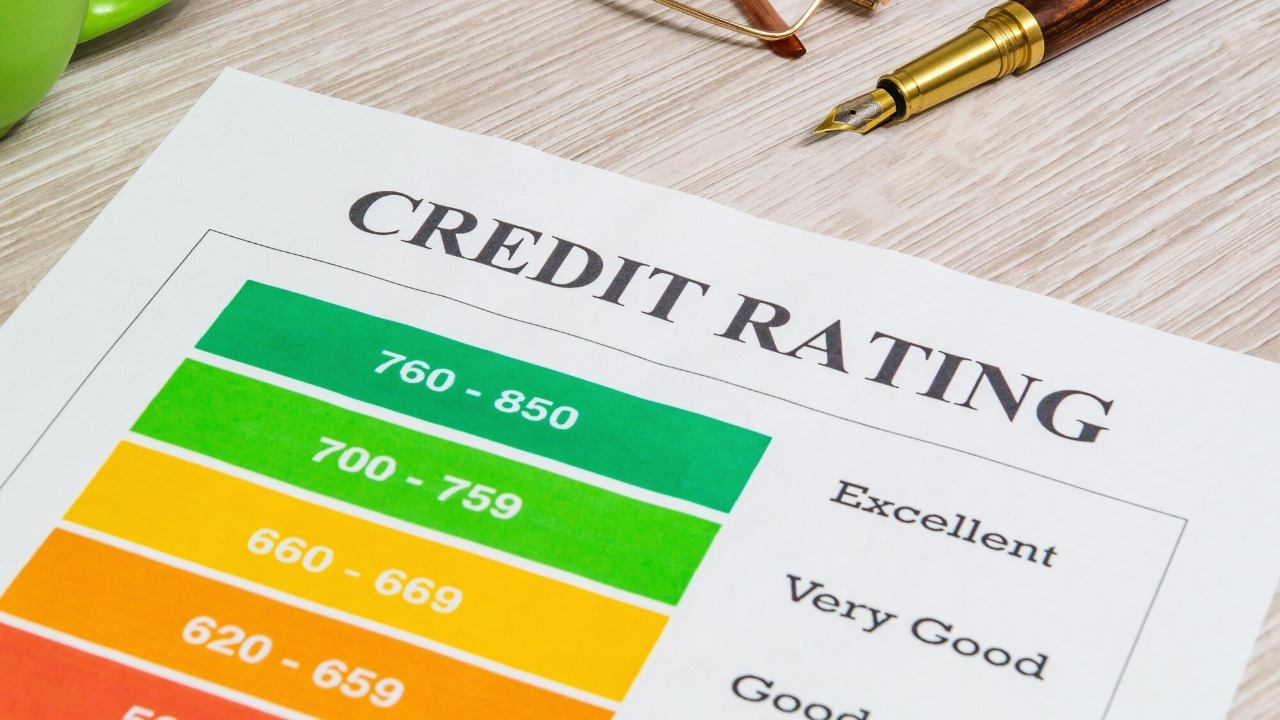
Achieving a credit score of 850 is a significant milestone that can unlock access to premium credit cards, offering enhanced rewards and exclusive perks. This perfect score signals to lenders that you possess maximum creditworthiness, often exceeding the thresholds set by issuers for elite cards. While the debate continues over what constitutes the best credit score, reaching 850 typically aligns with the highest eligibility standards for premium cards. However, maintaining such a score requires careful financial management, as pitfalls like making only minimum payments can lead to prolonged debt and higher interest costs.
Understanding Premium Credit Card Qualifications
Premium credit cards are typically reserved for individuals with excellent credit scores, generally starting at 740. However, a score of 850 represents the pinnacle of creditworthiness, unlocking the most exclusive card options. While a high score is crucial, issuers also consider other factors such as income verification and payment history. For instance, some issuers may require proof of a stable income or a history of timely payments to approve applicants for high-end rewards programs. As of early 2025, analyses indicate that the best credit score to have aligns closely with these premium eligibility thresholds, ensuring that those with an 850 score are well-positioned for approval.
Beyond the numerical score, issuers often have specific criteria that applicants must meet. These can include a thorough review of an applicant’s financial history and current obligations. A perfect score like 850 not only guarantees approval for many high-end cards but also often results in more favorable terms, such as lower interest rates and higher credit limits. This comprehensive evaluation process ensures that only the most financially responsible individuals gain access to the top-tier benefits these cards offer.
Benefits of Reaching a Perfect 850 Score
Reaching a perfect credit score of 850 opens the door to a host of benefits that are typically unavailable to those with lower scores. Cardholders at this level can access superior travel rewards, higher cash back rates, and exclusive concierge services that significantly lower effective borrowing costs. For example, many banks offer personalized offers and waived annual fees to attract top-tier customers. These perks not only enhance the cardholder’s financial flexibility but also provide tangible savings and conveniences.
When your credit score reaches 850, you may experience faster approvals and better terms on new credit applications. This can include lower interest rates on loans and mortgages, as well as more favorable terms on refinancing existing debt. The advantages of maintaining a perfect score are substantial, providing both immediate and long-term financial benefits. According to recent analyses, these outcomes illustrate the real-world advantages of achieving and maintaining an 850 score.
Strategies for Obtaining and Using a New Premium Card
Once you qualify for a premium credit card, it’s important to navigate the application process strategically. Start by conducting pre-approval checks to understand which cards you are likely to qualify for, and compare the features of different cards tailored to high scores. This ensures that you select a card that aligns with your financial goals and lifestyle. Additionally, consider activating virtual card numbers before receiving the physical card to begin earning rewards immediately.
Practical tips for using your new credit card include leveraging secure digital access methods to manage your account effectively. According to a 2025 report, utilizing digital tools can help you track spending, set up automatic payments, and monitor your credit score. These strategies not only maximize the benefits of your new card but also help maintain your perfect credit score by ensuring timely payments and responsible usage.
Avoiding Pitfalls That Jeopardize Your Score
Maintaining a perfect credit score requires vigilance, particularly in avoiding the pitfalls associated with making only minimum credit card payments. This practice can lead to accruing excessive interest and extending debt timelines, which can ultimately lower your credit score. According to a 2025 report, these risks can quickly erode a hard-earned 850 score, disqualifying you from premium benefits.
To prevent these issues, it’s crucial to pay off your full balance each month. This not only helps maintain your credit score but also ensures continued eligibility for top-tier cards. By avoiding the trap of minimum payments, you can protect your financial health and continue to enjoy the exclusive perks that come with a perfect credit score. Implementing these preventive measures is essential for sustaining the financial advantages associated with premium credit cards.
More From TheDailyOverview
- Dave Ramsey says these two simple questions show whether you’re rich or poor
- Retired But Want To Work? Try These 18 Jobs for Seniors That Pay Weekly
- IRS raises capital gains thresholds for 2026 and what’s new
- 12 ways to make $5,000 fast that actually work

Cole Whitaker focuses on the fundamentals of money management, helping readers make smarter decisions around income, spending, saving, and long-term financial stability. His writing emphasizes clarity, discipline, and practical systems that work in real life. At The Daily Overview, Cole breaks down personal finance topics into straightforward guidance readers can apply immediately.
