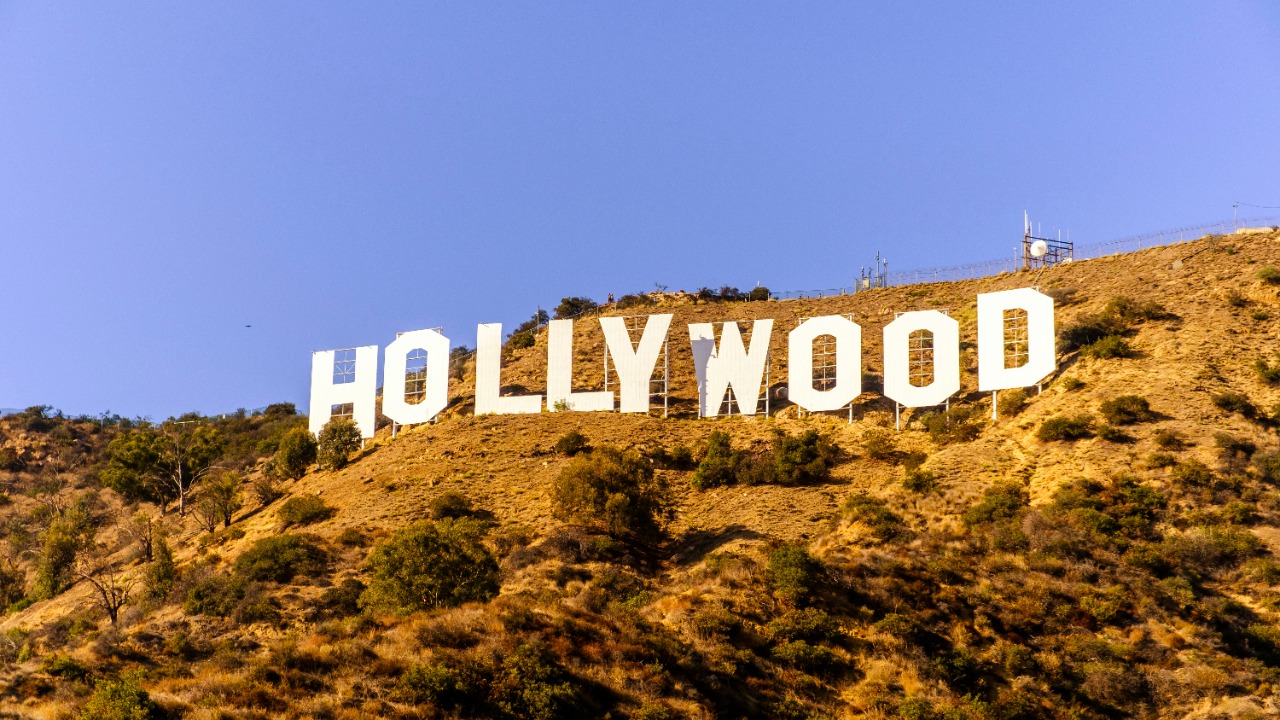
The film industry is divided in its response to President-elect Donald Trump’s renewed proposal for tariffs on foreign-made movies, with some U.S. stakeholders voicing concerns over potential economic fallout while others see protective benefits for domestic production. This split emerged prominently following Trump’s recent statements, highlighting tensions between global collaboration and national interests in Hollywood and beyond. The global film sector, however, appears largely unperturbed by the threat, viewing it as unlikely to materialize into policy.
Trump’s Renewed Tariff Proposal
President-elect Donald Trump’s proposal to impose tariffs on foreign-made movies marks a significant shift in his administration’s approach to the film industry. This initiative, which echoes unfulfilled suggestions from his previous term, aims to bolster U.S. film production by targeting imports. The proposal has gained traction in recent political discourse, particularly as the 2025 transition approaches. Trump’s plan seeks to create a more favorable environment for domestic filmmakers by imposing financial barriers on international films entering the U.S. market. This strategy is designed to protect American jobs and revenue streams, which some argue are threatened by foreign competition.
The resurgence of this proposal has been a focal point in Trump’s political agenda, drawing attention from both supporters and critics. The intended scope of the tariffs is broad, potentially affecting a wide range of international films. By imposing these tariffs, the administration hopes to incentivize domestic production and reduce the market share of foreign films in the U.S. This move has sparked a heated debate within the entertainment sector, with stakeholders weighing the potential benefits against the risks of increased costs and strained international relations. For more details on the proposal’s implications, see the initial reporting here.
U.S. Film Industry’s Internal Divide
Within the U.S. film industry, reactions to the proposed tariffs are sharply divided. Some American producers and studios support the tariffs, arguing that they could safeguard jobs and revenue against foreign competition. These stakeholders believe that by limiting the influx of international films, the domestic market will have more opportunities to thrive. They see the tariffs as a necessary measure to protect the U.S. film industry from being overshadowed by foreign productions, which often have substantial budgets and global appeal.
Conversely, U.S. distributors and streaming giants express significant concerns about the potential impact of these tariffs. Companies like Netflix and Disney+ warn that the tariffs could lead to higher costs and disrupted supply chains for international content, which is essential to their platforms. These companies rely heavily on a diverse range of films to attract and retain subscribers, and any restrictions on foreign content could limit their offerings and affect their bottom line. Key industry figures have voiced their opinions on this matter, illustrating the deep divide within the industry. For a closer look at the debate’s escalation, refer to the coverage here.
Global Film Sector’s Dismissive Stance
International filmmakers and organizations, including those in Europe and Asia, largely dismiss the threat of tariffs as political rhetoric unlikely to affect cross-border collaborations. Many in the global film sector view the proposal as an extension of Trump’s protectionist policies, which they believe will not materialize into concrete action. Executives from major film markets, such as Bollywood and the European Film Academy, downplay the potential impacts due to existing trade agreements and diversified export strategies. These markets have developed robust systems to ensure their films reach international audiences, regardless of potential barriers.
The global film industry’s confidence is further bolstered by the belief that existing trade agreements will mitigate any adverse effects of the proposed tariffs. Many international filmmakers are accustomed to navigating complex trade environments and have contingency plans in place to address potential disruptions. This dismissive stance contrasts sharply with the concerns voiced by U.S. stakeholders, highlighting the differing perspectives on the issue. For more insights into the global film industry’s response, see the analysis here.
Potential Economic and Cultural Ramifications
The proposed tariffs could have significant economic and cultural ramifications for the film industry. In the short term, upcoming film releases and co-productions may face altered budgets, particularly for projects involving foreign talent or locations. This could lead to increased production costs and potential delays, as filmmakers adjust to the new financial landscape. The tariffs may also prompt a shift in focus towards domestic incentives, as studios seek to mitigate the impact of reduced access to international resources.
In the long term, the tariffs could lead to a reevaluation of international partnerships and collaborations. The U.S. film industry may prioritize domestic productions, potentially at the expense of diverse storytelling and cultural exchange. This shift could limit the variety of films available to American audiences, reducing exposure to different cultures and perspectives. The broader implications of this proposal are significant, as they could reshape the landscape of the global film industry. For further analysis on the ripple effects of the proposal, refer to the reporting here and here.

Grant Mercer covers market dynamics, business trends, and the economic forces driving growth across industries. His analysis connects macro movements with real-world implications for investors, entrepreneurs, and professionals. Through his work at The Daily Overview, Grant helps readers understand how markets function and where opportunities may emerge.

