
Ever walked into a home and instantly got the feeling that the owner might not be the best with money? Sometimes, it’s the items people choose to splurge on that hint at financial imprudence. From costly coffee machines to luxury bedding, let’s dive into the top items that might signal less-than-wise spending habits.
Expensive Coffee Machines

High-end coffee machines, like those from brands such as Jura or Breville, can set you back thousands of dollars. While they promise barista-quality coffee at home, the initial investment and ongoing maintenance costs can be astronomical. For many, the allure of starting the day with a perfect espresso might overshadow the reality of how infrequently they actually use the machine.
Consider the alternative: a simple French press or a reliable drip coffee maker can produce a satisfying cup for a fraction of the price. It’s worth questioning whether the daily ritual justifies the hefty price tag, especially when there are more budget-friendly options available.
High-End Kitchen Gadgets
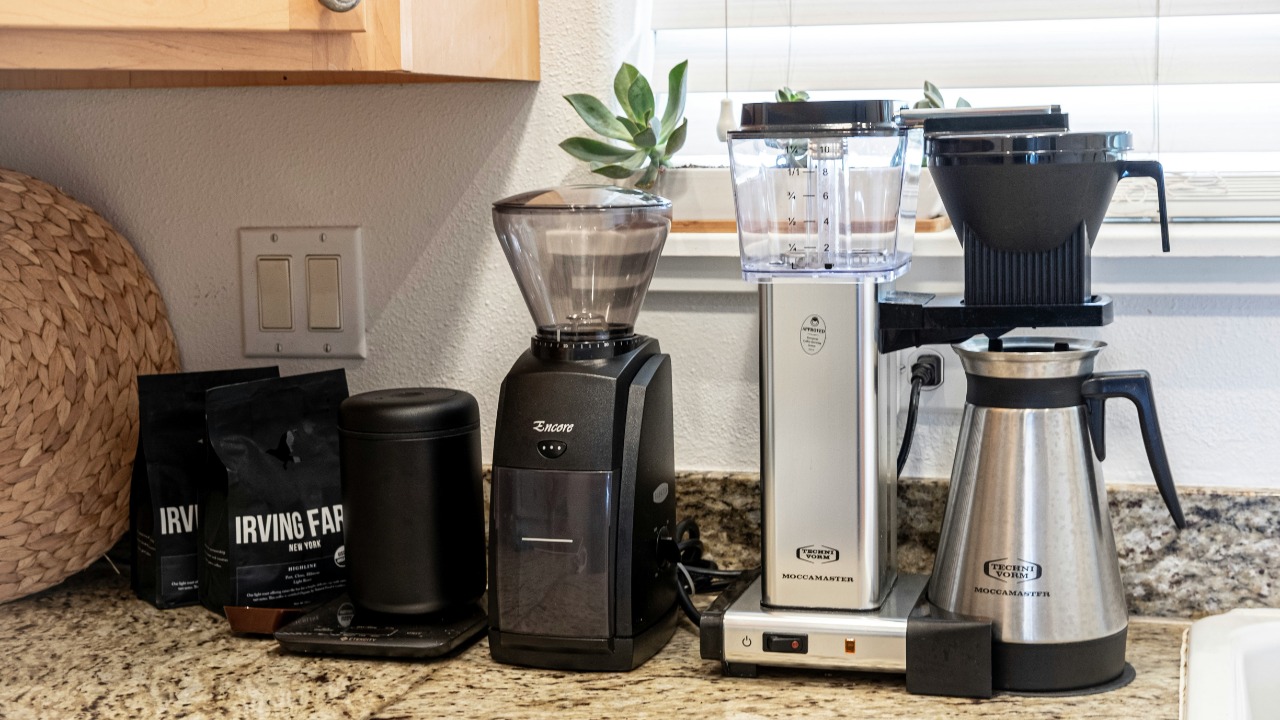
From sous-vide machines to top-tier blenders like the Vitamix, high-end kitchen gadgets often make promises of culinary prowess. However, these gadgets frequently end up collecting dust after the initial excitement wears off. If you’re not a regular home chef, the investment might not provide a good return.
It’s easy to get swept away by the latest trends, but before purchasing, assess how often you’ll realistically use these devices. Many find that sticking to basic, versatile kitchen tools is more practical and economical.
Designer Furniture
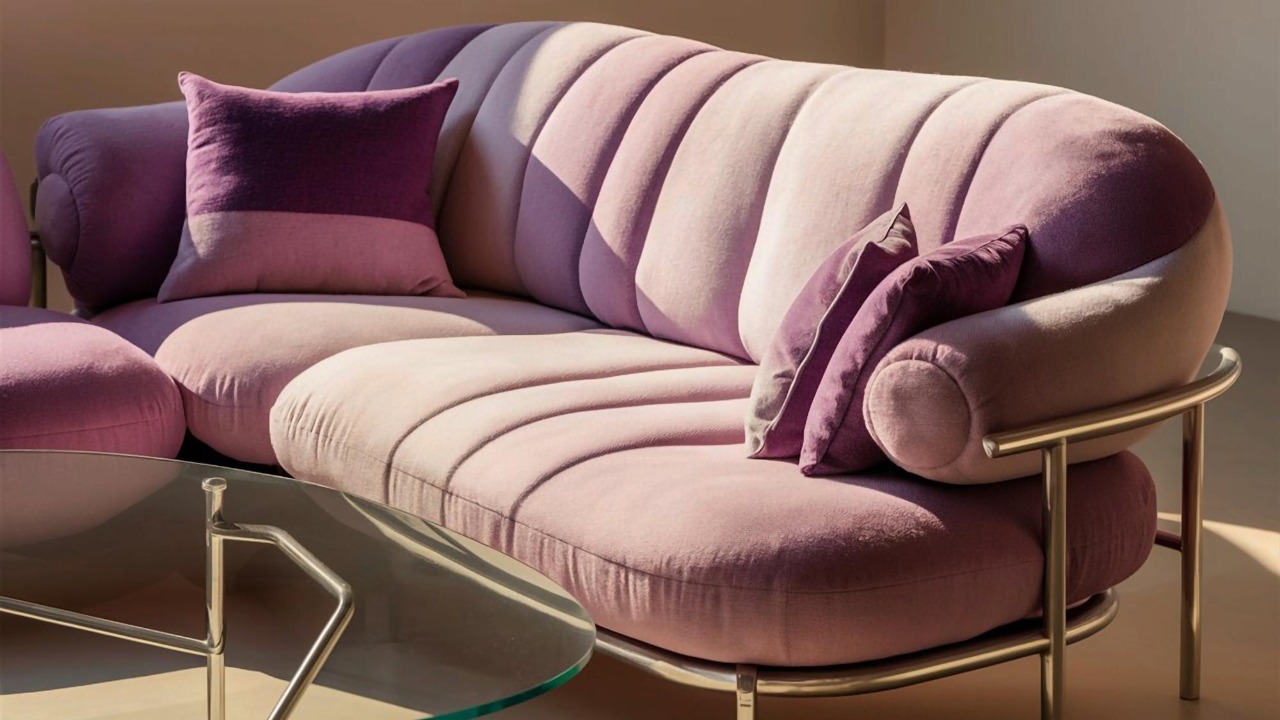
Designer furniture can elevate the aesthetic of a home, but it also often comes with exorbitant price tags. Brands like Roche Bobois and Herman Miller offer pieces that are as much about the name as they are about the design. While these items can be seen as investment pieces, they can also be a significant drain on resources.
Before splurging on designer furniture, consider if the style aligns with your long-term taste. Trends change, and what’s chic now might not be in a few years, potentially leaving you with an expensive regret.
Premium Streaming Devices
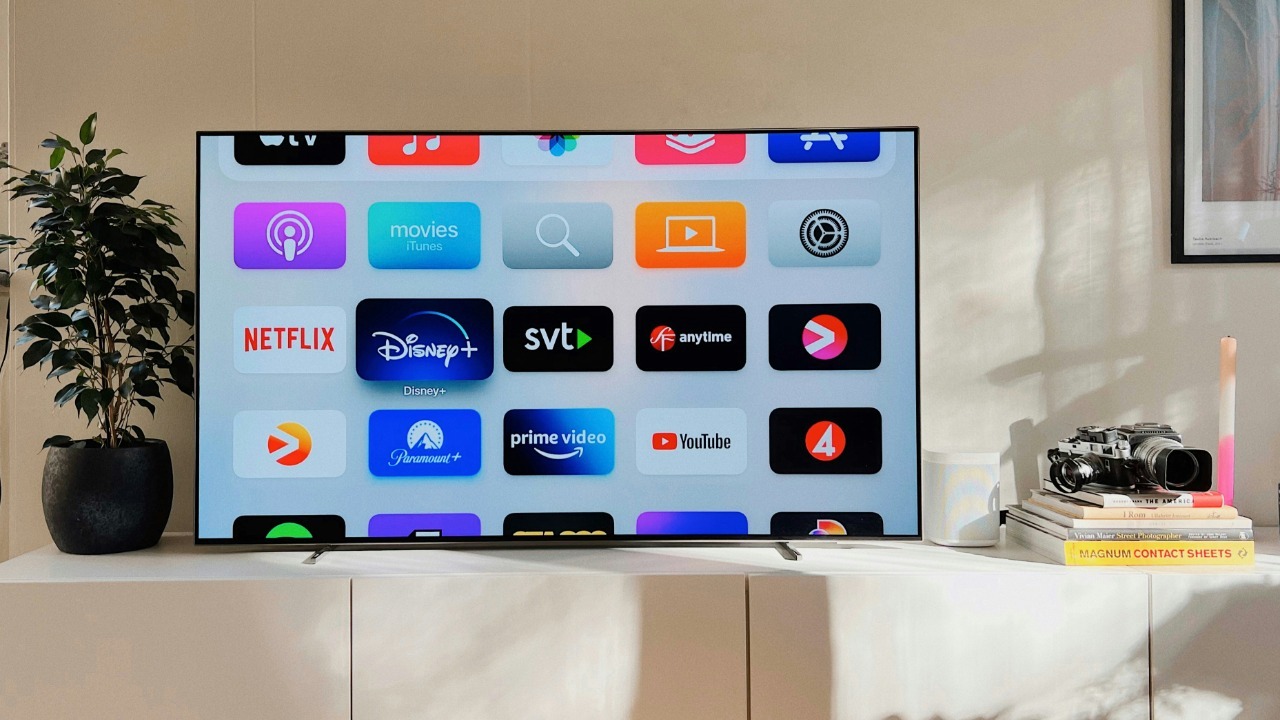
Investing in the latest premium streaming devices can be tempting, especially with the promise of cutting-edge features and exclusive content. However, with multiple streaming services requiring separate subscriptions, the costs can quickly add up. Devices like the Apple TV 4K, while offering high-quality experiences, might not be necessary for everyone.
Evaluate your viewing habits and consider whether a more affordable device or even a smart TV might meet your needs. Sometimes, simplicity is the best solution for both functionality and your wallet.
High-Tech Exercise Equipment

From Peloton bikes to the latest treadmill with virtual reality capabilities, high-tech exercise equipment can be a significant financial commitment. While the idea of a home gym is appealing, the cost of these machines can be hard to justify, especially if they end up as glorified coat racks.
Before purchasing, consider whether a gym membership, outdoor activities, or simpler equipment could suffice. Often, a pair of running shoes or a set of dumbbells can provide a comprehensive workout without the financial strain.
Luxury Bedding Sets
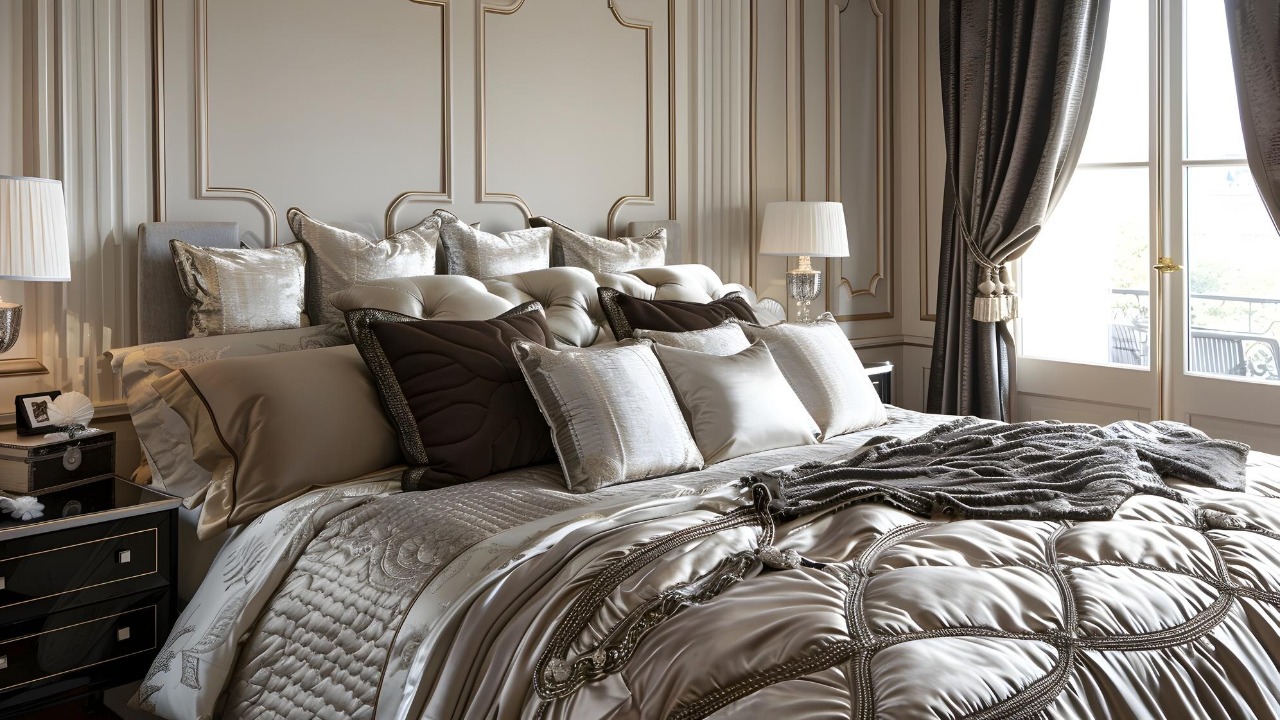
Luxury bedding sets, often made from high-thread-count Egyptian cotton or silk, promise a superior sleep experience. However, they also come with a price tag that might not be justifiable for many. While quality sleep is essential, there are more affordable options that offer comfort without breaking the bank.
Explore alternatives like high-quality cotton or bamboo sheets, which provide a similar feel at a fraction of the cost. Investing in a good mattress might yield better results for a restful night’s sleep.
Rare Collectible Items
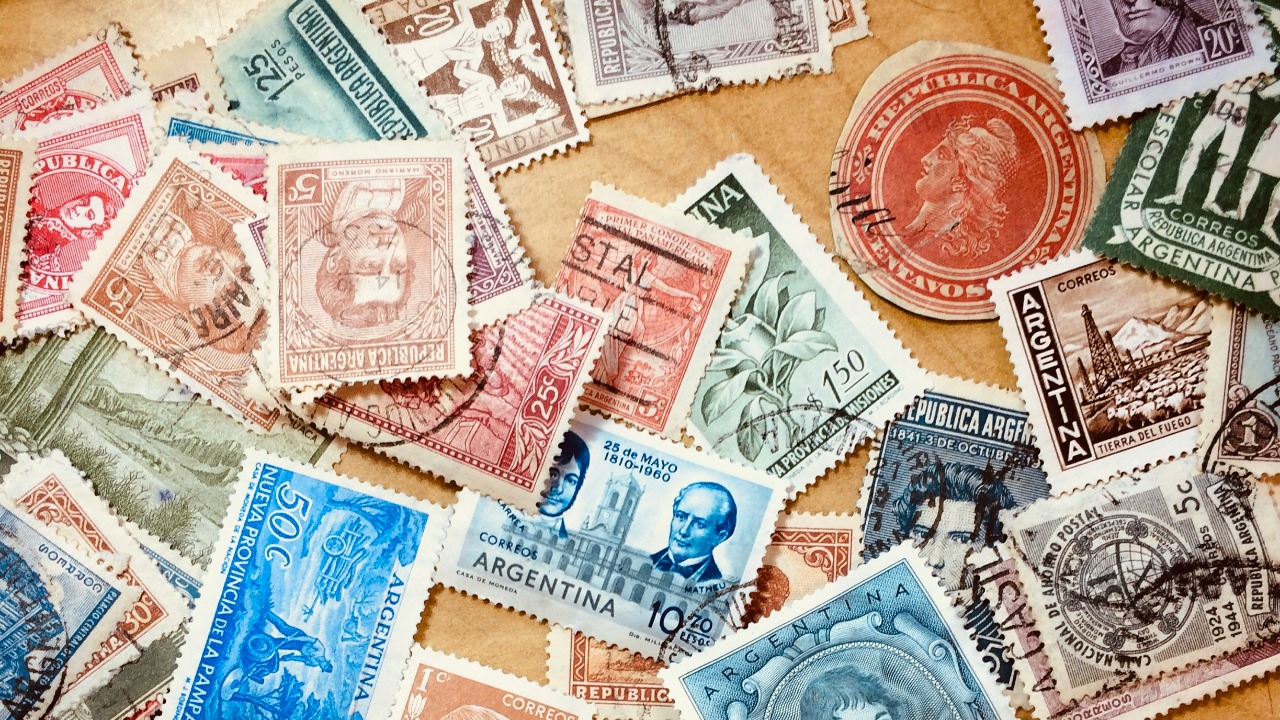
Collectibles, whether they are rare coins, stamps, or memorabilia, can be a double-edged sword. They might appreciate in value, but they also can tie up significant amounts of money that might be better used elsewhere. The market for collectibles is volatile, and what’s valuable today might not be tomorrow.
Engaging in such hobbies requires deep knowledge and passion, as well as a willingness to accept the financial risks involved. Consider diversifying investments to include more traditional options alongside collectibles.
Smart Home Devices
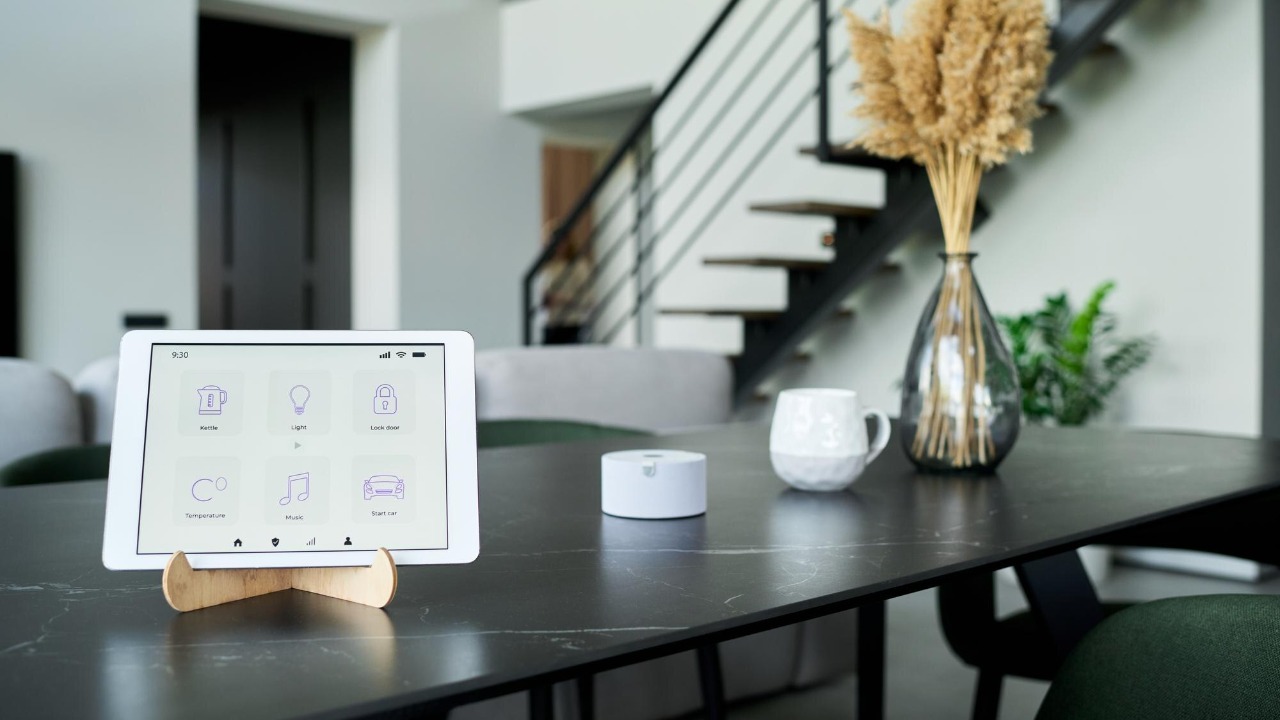
Smart home devices, such as smart speakers, thermostats, and lighting systems, offer convenience and efficiency. However, the cost of integrating these devices into a home can escalate quickly. Brands like Nest and Philips Hue, while innovative, can strain a budget if not carefully planned.
Before diving into the smart home ecosystem, evaluate whether these devices will genuinely enhance your daily life. Sometimes, simple solutions can provide similar benefits without the hefty upfront costs.
Artisanal Kitchen Knives

An artisanal kitchen knife, handcrafted and often costing hundreds of dollars, is a coveted item for many cooking enthusiasts. Brands like Shun or Wüsthof are known for their craftsmanship, but such investments might not be necessary for the average home cook.
Assess your cooking habits and consider if a good-quality, less expensive knife could meet your needs. For many, a basic chef’s knife is more than adequate for everyday cooking tasks.
Exotic Houseplants
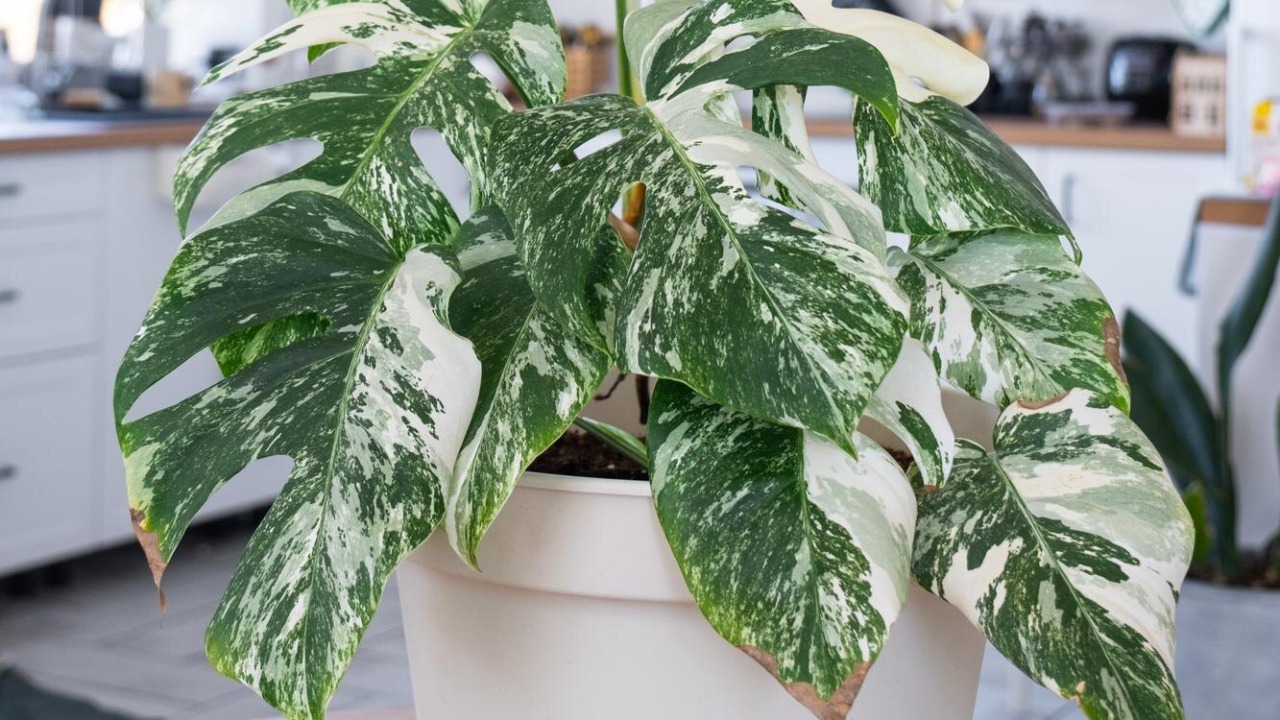
Exotic houseplants, such as the Monstera Albo or Variegated String of Pearls, have surged in popularity, often carrying high price tags. While they add beauty and a touch of nature to a home, their care requirements and initial costs can be daunting.
Consider starting with more common, easy-to-care-for plants before investing in pricier varieties. This allows you to develop your green thumb without the financial risk of losing an expensive plant.
Vintage Vinyl Collections
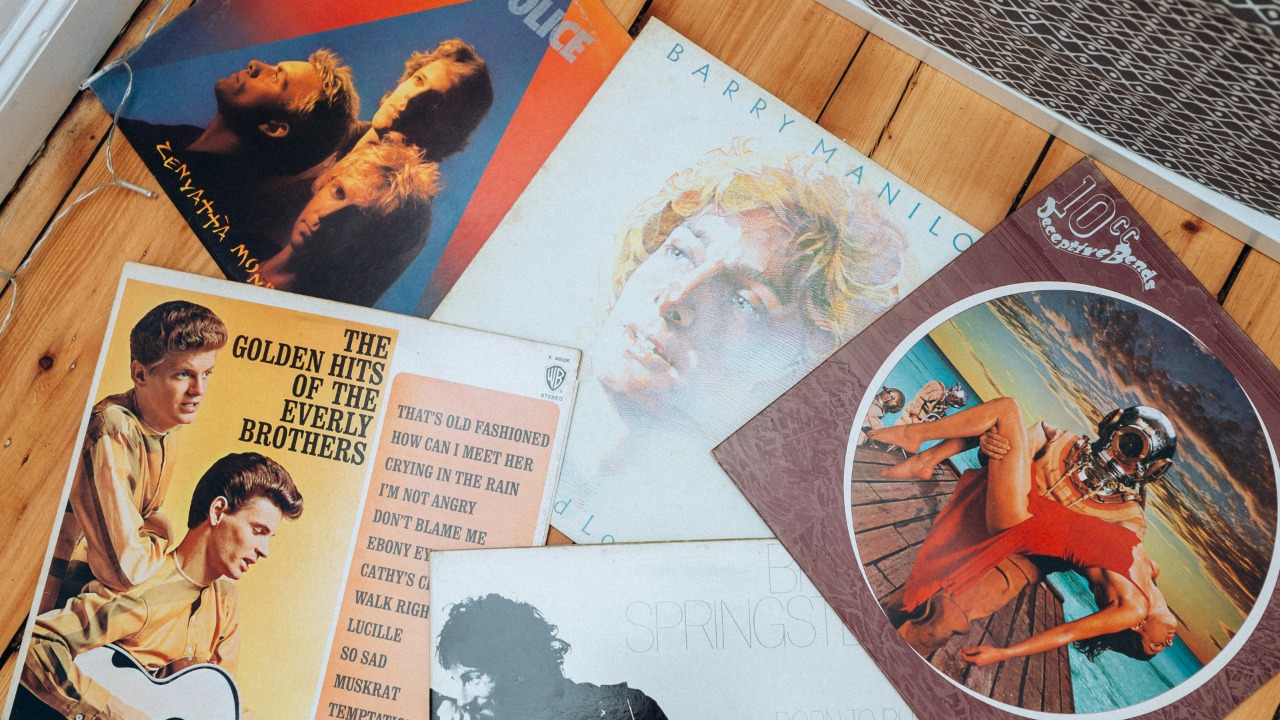
Vinyl records have made a nostalgic comeback, with collectors seeking out rare and vintage albums. However, the pursuit of an extensive vinyl collection can be costly, especially if you’re chasing after limited releases or mint-condition records.
It’s important to balance passion with prudence. Consider whether digital alternatives or a smaller, carefully curated collection could satisfy your musical cravings without overextending your budget. You can read more about balancing hobbies and finances in this article.
Overpriced Art Pieces

Art is subjective, but its price often isn’t. Overpriced art pieces, especially those by famous artists, can be a major investment. While some pieces appreciate in value, the art market is unpredictable, and not all pieces will yield returns.
Before purchasing art as an investment, consider whether the piece is something you truly love and want to live with. Sometimes, supporting local artists or opting for prints can offer the same aesthetic pleasure without the financial burden. For more insights into making smart financial choices, check out this resource.

Cole Whitaker focuses on the fundamentals of money management, helping readers make smarter decisions around income, spending, saving, and long-term financial stability. His writing emphasizes clarity, discipline, and practical systems that work in real life. At The Daily Overview, Cole breaks down personal finance topics into straightforward guidance readers can apply immediately.
