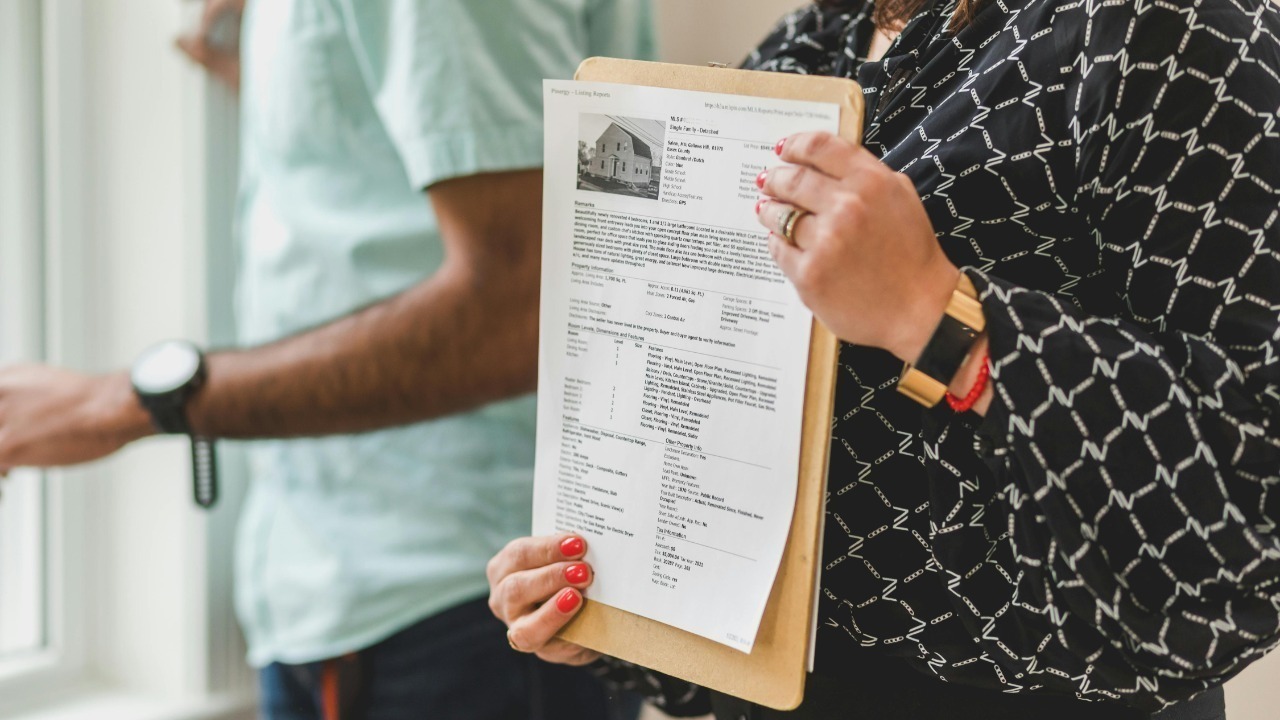
Home title fraud has emerged as a significant threat in certain regions of America, with recent reports highlighting its prevalence in the Northeast. This type of fraud involves scammers stealing identities to seize ownership of homes, often leaving homeowners unaware until it’s too late. The FBI’s Boston office has issued warnings about the growing risk of title fraud, emphasizing the need for vigilance in this area. As the problem escalates, understanding the mechanics of title fraud and how to prevent it becomes crucial for homeowners.
What Is Home Title Fraud?
Home title fraud, also known as deed fraud, involves the illegal transfer of property ownership through forged documents. According to the Deed and Title Fraud Survey by the National Association of Realtors (NAR), scammers typically use identity theft to impersonate property owners. They then forge deeds to transfer ownership to themselves or an accomplice, often taking out loans against the property or selling it outright. This fraudulent activity can leave the original homeowners facing legal battles to reclaim their property.
The process of title fraud often begins with identity theft, as detailed by AARP. Scammers gather personal information through various means, such as phishing emails or data breaches, to impersonate the homeowner. Once they have the necessary details, they forge documents to transfer the property’s title. The NAR survey highlights that forged deeds are a common tactic used by fraudsters to execute these schemes, making it imperative for homeowners to be aware of the signs of title fraud.
Why This Region Faces Higher Risks
The Northeast region of the United States has been identified as a hotspot for home title fraud. Analysis linked to the NAR survey indicates that this area experiences a higher incidence of title fraud compared to other regions. Factors contributing to this trend include the region’s high property values and dense population, which make it an attractive target for scammers looking to profit from fraudulent property transfers.
The FBI’s Boston office has specifically warned about the increasing cases of title fraud in the Northeast. In an alert issued on April 14, 2025, the FBI Boston highlighted the sophisticated methods used by fraudsters to exploit vulnerabilities in property transactions. The agency’s warning underscores the need for homeowners in this region to be particularly vigilant and proactive in protecting their property titles.
Regional factors such as the prevalence of absentee property owners and the use of online property transactions have also been identified as contributing to the higher risk of title fraud in the Northeast. The NAR survey suggests that these elements create opportunities for scammers to exploit gaps in the property transfer process, emphasizing the importance of robust security measures to prevent fraud.
Understanding the Recent Surge
Title fraud cases have surged nationwide, reflecting broader trends in identity theft and cybercrime. An analysis from The Mortgage Point highlights how the increase in digital transactions and remote work environments has created new opportunities for fraudsters. As more property transactions occur online, the risk of fraudulent activity has grown, necessitating enhanced security measures and awareness among homeowners.
The FBI’s Boston alert connects this regional increase to national trends, indicating that the rise in title fraud is not isolated to the Northeast. The agency’s warning aligns with findings from the NAR survey, which reports a significant uptick in fraud cases across the country. This surge underscores the need for comprehensive strategies to combat title fraud at both local and national levels.
Data from the NAR survey further illustrates the growing prevalence of title fraud, with reports of fraudulent activity increasing in recent years. This trend highlights the importance of staying informed about the latest fraud tactics and implementing effective prevention strategies to safeguard property ownership.
Steps to Prevent Title Fraud
Preventing title fraud requires a proactive approach to protecting personal information and property titles. According to AARP, homeowners should regularly monitor their credit reports and property records for any unauthorized changes. Additionally, implementing identity theft protection services can help detect and prevent fraudulent activity before it escalates.
In response to the growing threat of title fraud, the FBI Boston office recommends several protective measures. These include securing personal documents, using strong passwords for online accounts, and being cautious of unsolicited communications requesting personal information. By following these guidelines, homeowners can reduce their risk of falling victim to title fraud.
Homeowners can also benefit from tips provided by The Mortgage Point, which emphasizes the importance of staying informed about the latest fraud schemes and maintaining open communication with trusted real estate professionals. By staying vigilant and informed, homeowners can better protect their property titles from fraudulent activity.
More From TheDailyOverview
- Dave Ramsey says these two simple questions show whether you’re rich or poor
- Retired But Want To Work? Try These 18 Jobs for Seniors That Pay Weekly
- IRS raises capital gains thresholds for 2026 and what’s new
- 12 ways to make $5,000 fast that actually work

Grant Mercer covers market dynamics, business trends, and the economic forces driving growth across industries. His analysis connects macro movements with real-world implications for investors, entrepreneurs, and professionals. Through his work at The Daily Overview, Grant helps readers understand how markets function and where opportunities may emerge.