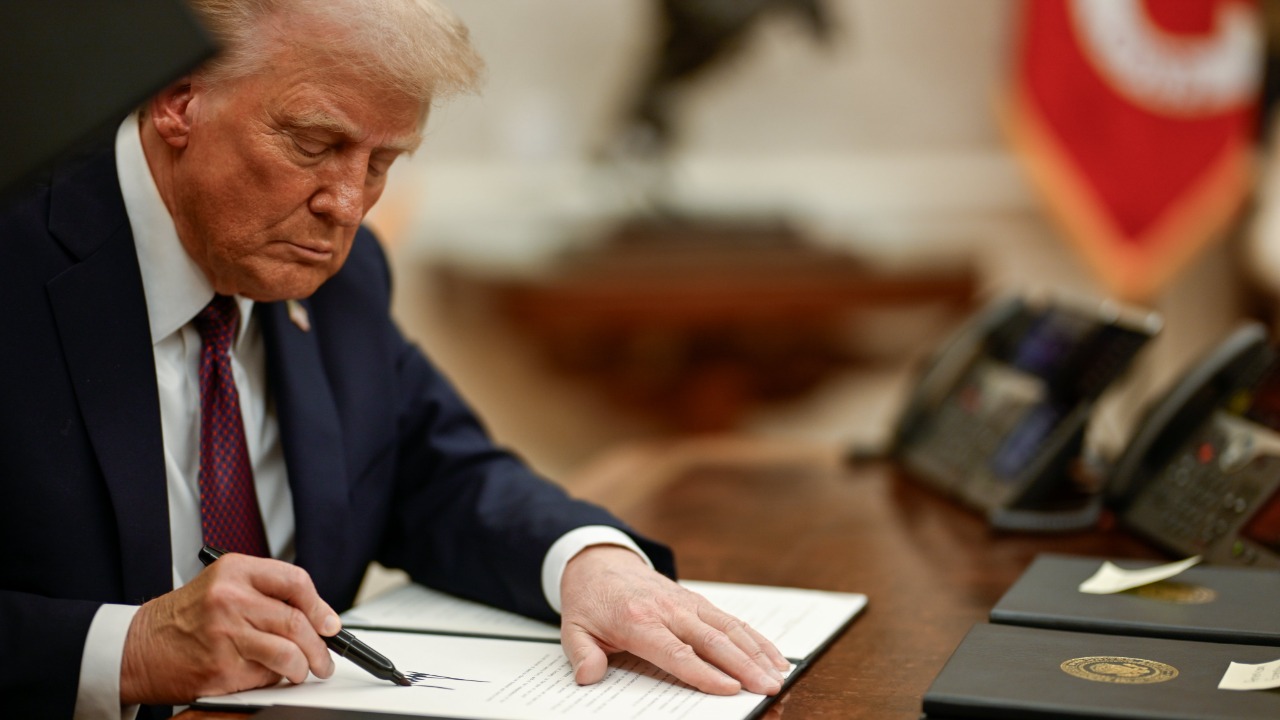
The U.S. House of Representatives passed a bill to end the longest government shutdown in U.S. history on November 12, 2025, marking a pivotal shift after weeks of stalemate. President Trump signed the funding bill later that day, officially closing the record-breaking shutdown that had disrupted federal operations nationwide. This resolution advances a Senate-passed measure through key House panels, signaling immediate relief for affected agencies and workers.
The Lead-Up to the House Vote
As the government shutdown neared a possible end, a key House panel advanced a Senate-passed funding bill on November 12, 2025, highlighting bipartisan momentum in negotiations. This development came after weeks of intense discussions and mounting pressure from various sectors affected by the prolonged shutdown. The advancement of this bill was a crucial step in breaking the deadlock that had persisted for weeks, affecting millions of federal employees and contractors.
Live updates from the day emphasized the time-sensitive pressures, including impacts on flights and federal services, which contrasted sharply with the prior days of impasse. The urgency was palpable as stakeholders from various industries, including aviation and public services, expressed concerns over the prolonged disruption. According to CNN, the shutdown had begun to affect air travel and other critical services, adding to the urgency for a resolution.
CBS News reported on the latest House-Senate vote dynamics, underscoring how stakeholder urgency accelerated the process compared to earlier stalled talks. The bipartisan effort to advance the funding bill was seen as a necessary compromise to restore normalcy and prevent further economic fallout. The pressure from both sides of the aisle reflected a shared understanding of the stakes involved, particularly as the shutdown continued to strain public resources and services.
The Historic House Passage
The U.S. House of Representatives voted on the deal to end the longest government shutdown in history during the November 12 session, with the measure passing after intense floor debates. This vote marked a significant turning point in the ongoing crisis, as lawmakers from both parties came together to resolve the funding disputes that had prolonged the shutdown. The passage of the bill was a testament to the power of negotiation and compromise in the face of a national crisis.
Live updates confirmed the House’s passage of the bill, focusing on the vote’s role in resolving the funding disputes that had kept the government at a standstill. The decision was met with relief from federal employees and contractors who had faced weeks of uncertainty and financial strain. According to The New York Times, the vote was a decisive action that surpassed previous shutdown durations, highlighting the unprecedented nature of the situation.
NPR detailed the House vote to end the shutdown on November 12, 2025, noting it as the decisive action that finally brought an end to the longest government shutdown in U.S. history. The resolution of this crisis was seen as a critical step in restoring confidence in the government’s ability to function effectively and address the needs of its citizens. The successful passage of the bill underscored the importance of bipartisan cooperation in times of national need.
Trump’s Signing and Immediate Aftermath
President Trump signed the deal to end the longest U.S. government shutdown in history on November 12, 2025, with the president calling it a “great day” in official remarks. The signing marked the official end of the shutdown, allowing federal operations to resume and providing much-needed relief to affected workers. The swift transition to restored funding was a welcome development for many who had been impacted by the prolonged closure of government services.
BBC covered Trump’s signing of the bill, emphasizing the swift transition to restored funding. The immediate aftermath saw federal employees returning to work and the resumption of critical services that had been disrupted. The resolution of the shutdown was a significant achievement for the administration, demonstrating the ability to navigate complex political challenges and reach a consensus.
Reuters reported that the signing of the funding bill ended the government shutdown, detailing early impacts like the resumption of federal paychecks and operations post-signature. The end of the shutdown was a relief for many, as it allowed for the restoration of normalcy and the continuation of essential government functions. The resolution of this crisis highlighted the importance of effective governance and the need for continued vigilance in addressing the challenges facing the nation.
More From TheDailyOverview
- Dave Ramsey says these two simple questions show whether you’re rich or poor
- Retired But Want To Work? Try These 18 Jobs for Seniors That Pay Weekly
- IRS raises capital gains thresholds for 2026 and what’s new
- 12 ways to make $5,000 fast that actually work

Grant Mercer covers market dynamics, business trends, and the economic forces driving growth across industries. His analysis connects macro movements with real-world implications for investors, entrepreneurs, and professionals. Through his work at The Daily Overview, Grant helps readers understand how markets function and where opportunities may emerge.

