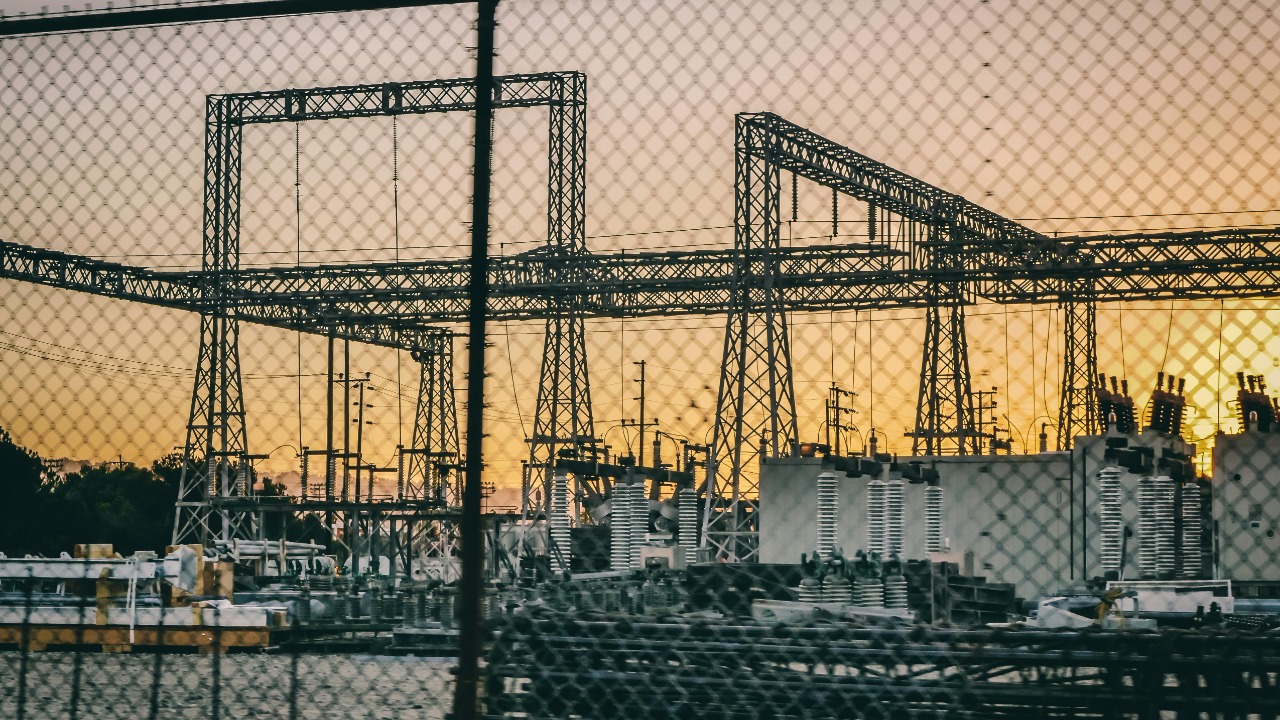
Houston’s energy sector is shaking off its recent slump as companies scramble to position themselves for a new wave of crude from Venezuela. Boardrooms, law firms and service yards across the city are suddenly focused on how to move capital, rigs and expertise into one of the world’s most troubled oil provinces without repeating past mistakes.
The stakes stretch far beyond a single city. The rush to tap Venezuela’s reserves is testing United States foreign policy, reshaping the balance of power inside the oil industry and raising fresh questions about climate commitments, even as Houston’s refineries and service firms see a once‑in‑a‑generation opening.
Houston’s oil machine wakes up
For all the talk of diversification, Houston still lives and breathes hydrocarbons, and the prospect of a Venezuela opening has jolted the city’s energy complex back into high gear. From downtown towers to yards along the Ship Channel, executives are treating the country’s heavy crude as the next big test of the region’s status as the de facto capital of the global oil business, a role that has long been associated with Houston itself.
That renewed confidence is rooted in the city’s deep bench of engineers, traders and lawyers who specialize in complex, politically fraught projects. Many of them cut their teeth in earlier waves of Latin American liberalization and now see a chance to apply that experience to Venezuela, where vast reserves sit underused after years of underinvestment and sanctions. The mood in Houston is not euphoric so much as intensely focused, with companies racing to understand the new rules and risks.
From Caracas raid to corporate green light
The sudden acceleration traces back to a dramatic shift in Washington’s posture. The United States, which began the year with a special forces raid on Caracas that seized Venezuelan officials and oil documents, has moved quickly from confrontation to conditional engagement. That operation, described as a way for The United States to gain leverage over future production and contracts, signaled that oil was central to the new strategy toward Caracas.
President Trump has been explicit that control of Venezuela’s oil is part of the rationale for the broader campaign, and he has pressed industry leaders to move quickly. In a recent White House session, he told executives that “we’re not going to look at what people lost in the past, because that was their fault,” making clear that the current administration sees earlier write‑offs as no excuse to sit out the next phase and that this was “a different preside” from the one who oversaw those losses, according to a detailed account of what the big oil executives told Trump.
Chevron’s head start and the scramble to catch up
In practical terms, the starting gun for Houston’s new race is Chevron’s entrenched position inside Venezuela. As of January, an Executive Summary of U.S. activity in the country notes that Chevron remains the only U.S. oil company with active operations there, producing and exporting crude while others are still on the sidelines. That same assessment stresses that, As of January, the company is working with local partners to restore production to historical levels in Venezuela, giving it a crucial head start.
That advantage is not lost on rivals. At the White House meeting, executives were reminded that Chevron is the only U.S. major already pumping Venezuelan crude and that others would need to move fast if they wanted comparable access. One participant described how some companies were effectively told they should have been on a plane “to get to Venezuela yesterday,” underscoring the sense of urgency that now permeates Houston’s corporate suites as they study how Chevron and its partners, including service provider SLB, have structured their presence in the country and how those arrangements might shape the next wave of deals with Chevron.
Service giants and the “lost world” rush
While the majors weigh political risk, the oilfield service sector is already positioning itself as the indispensable bridge between Houston and Venezuela’s aging fields. Firms such as SLB and Halliburton have told investors and policymakers that they are primed to work in the country as soon as sanctions and compliance rules allow, arguing that their technology and crews can quickly revive production from shallow waters and mature reservoirs. One detailed account notes that these Firms see themselves as ready to move the moment legal and compliance changes are made, highlighting how SLB and Halliburton are preparing for a surge in work in Venezuela.
That enthusiasm is echoed in Houston’s entrepreneurial ranks. One veteran consultant, Goitia, described Venezuela as “the lost world” and said “the small guys are willing to take the risk,” explaining that he has already held talks with two private equity funds about backing ventures there and that he expects it to return as a major frontier. His comments capture a broader mood among mid‑sized operators and financiers who see a chance to move faster than the supermajors, a sentiment that has helped turn the U.S. oil capital into a buzzing hub of deal‑making around the emerging Venezuela oil rush.
Venezuela’s reforms and the Baker Hughes bet
For all the excitement in Houston, nothing moves without changes on the ground in Caracas. A proposed reform of Venezuela’s oil law has been circulated that would give foreign companies more operational control and clearer profit‑sharing terms, and executives say the draft is already enough to encourage immediate investment even if it still needs to go deeper. Reporting from HOUSTON and WASHINGTON describes how industry leaders view the reform as a necessary first step that could unlock new capital for Venezuela, even as they lobby for deeper changes.
Service heavyweight Baker Hughes is among those signaling interest. In a recent discussion of its strategy, the company framed Venezuela as a potential rebound story and highlighted how its portfolio in Industrial Equipment Supplier lines, Engineering Shallow projects and Upstream Compa work could fit the country’s needs. Its leadership, identified in one account simply as Jan from Bnamericas Published on a Monday, stressed that the opportunity is significant and that Baker Hughes is watching closely for the moment when it can deploy technology and capital into a recovering Venezuela market.
Texas refineries, mixed benefits and $60 crude
On the Gulf Coast, the potential return of Venezuelan barrels is being weighed with a more clinical eye. Refineries in Texas and along the Gulf Coast were originally built to process heavy sour crude from places like Venezuela, and many operators see a chance to run their plants closer to design capacity if those supplies resume. Analysts warn, however, that the benefits for Texas could be mixed, since more imports might pressure local producers even as they help refiners and petrochemical plants that rely on a steady stream of discounted Venezuelan crude.
Economist Ray Perryman, the Waco‑based founder of the Perryman Group, has pointed out that global oil prices are currently low, trading around $60 a barrel, which limits how much upside Texas drillers can expect from any new geopolitical premium. In his view, the main winners in the near term are likely to be the sophisticated Refineries in Texas and on the Gulf Coast that can blend Venezuelan heavy crude with lighter grades from the Permian, rather than the upstream producers themselves, a nuance that underscores why the Benefits for Texas are more complicated than a simple boom narrative centered on Texas and its shale fields.
Washington’s push for quick fixes
Policy makers are not waiting for a perfect legal framework before trying to nudge production higher. The US government has been in talks with Chevron Corp. and other companies about ways to deliver the quickest fixes to boost Venezuela’s oil output from its current level of less than 1 million barrels per day, focusing on low‑cost interventions like repairing existing wells and restoring basic infrastructure. One detailed account notes that The US is pressing for these rapid gains as part of a broader effort to stabilize global supply and keep prices in check, a strategy that dovetails with Houston’s interest in getting more barrels flowing through its pipelines and terminals as quickly as possible, according to a report that urged readers to Share the article.
At the same time, the administration has leaned on service firms to be ready to move. SLB CEO Olivier Le Peuch, for example, attended a meeting at the White House where he and other executives discussed how their companies could ramp up work in Venezuela while staying within evolving sanctions rules. That session, described in a detailed account that placed it at the White House and identified Le Peuch by name and title, underscored how closely Washington is coordinating with SLB and other service providers as it tries to translate geopolitical leverage into barrels on the water from Venezuela.
More From The Daily Overview
*This article was researched with the help of AI, with human editors creating the final content.

Grant Mercer covers market dynamics, business trends, and the economic forces driving growth across industries. His analysis connects macro movements with real-world implications for investors, entrepreneurs, and professionals. Through his work at The Daily Overview, Grant helps readers understand how markets function and where opportunities may emerge.

