Netflix quietly spent blockbuster money on a science fiction epic and then watched it sink with barely a ripple in the wider culture. The Electric State cost roughly $320 million to make, drew brutal reviews, and yet slipped past most viewers as just another tile in an endless carousel. I want to unpack how a $320 m streaming gamble could misfire so completely that, outside of industry circles, hardly anyone seemed to notice it had failed.
The most expensive Netflix original that vanished in plain sight
The Electric State was designed to be a statement of intent, the kind of project that signals a platform’s dominance rather than its uncertainty. With a reported $320 million budget, it became Netflix’s most expensive original movie, surpassing earlier big swings like The Gray Man and positioning itself as a flagship spectacle meant to anchor the service’s film slate. Yet instead of dominating conversation, it slipped into the library with the quiet inevitability of any other Friday release, its price tag invisible to the average subscriber scrolling past.
That disconnect between cost and cultural impact is stark. Netflix spent roughly $320 million on The Electric State, a figure that would place it among the priciest productions in Hollywood history, but the film functioned more like a background offering to fill a content slot than a must-see event. Reporting on the project has repeatedly stressed that the $320 m outlay made it the streamer’s most expensive original film, a status that should have guaranteed wall-to-wall promotion and audience awareness, yet the movie’s arrival felt oddly muted even as it technically sat at the top of Netflix’s internal spending league table, a point underscored in coverage of The Electric State.
From prestige package to problem child
On paper, The Electric State looked like a can’t-miss package. The film is described as a 2025 American science fiction action-adventure, produced and directed by Joe and Anthony Russo, the duo behind some of the highest-grossing Marvel movies in history. It adapts a cult-favorite illustrated book into a road-movie odyssey, fronted by bankable stars and backed by a studio eager to prove it can match or beat traditional Hollywood on scale. In development terms, it ticked every box executives usually chase when they want a “four-quadrant” hit.
The project’s evolution reflects how aggressively Netflix has pursued marquee filmmakers and recognizable IP to bolster its film brand. Plans for a film adaptation of The Electric State had circulated for years before the streamer finally locked it in, positioning the movie as a prestige sci-fi adventure that could showcase the performances of its leads and the visual imagination of its world. The final product, identified in public records as an American science fiction action-adventure film, carried the unmistakable stamp of the Russo brothers and was framed as a major bet on cinematic spectacle, as detailed in background material on The Electric State.
How $320M became a critical punching bag
Instead of validating that bet, the finished movie ran into a wall of critical hostility. Joe and Anthony Russo’s $320M Electric State was described as “Destroyed” by “Critics,” with aggregated scores sinking to around 10 percent on major review sites. That kind of reception is punishing for any film, but it is especially damaging for a title that was supposed to signal creative ambition and justify a nine-figure spend. The gap between the film’s intended prestige and its actual reception became part of the story.
The harsh reviews did more than bruise egos, they reframed The Electric State as a cautionary tale about algorithm-era filmmaking. Commentators questioned what The Electric State was actually about, pointing to a muddled narrative and tonal confusion that left even sympathetic viewers cold. The phrase “Destroyed by Critics” attached itself to the project, turning Joe and Anthony Russo’s $320 experiment into shorthand for the risks of chasing scale without a clear creative spine, a dynamic captured in coverage of how Electric State landed with reviewers.
Audience apathy and the strange silence around a flop
What makes this failure unusual is not that a big-budget movie bombed, but that it seemed to do so in near silence. Traditional box office flops generate weeks of postmortems, yet The Electric State’s underperformance unfolded largely inside the black box of streaming metrics. Netflix does not release detailed viewership data by default, and without a theatrical run there were no public ticket sales to signal disaster. The movie simply appeared, absorbed some negative reviews, and then receded into the algorithmic background.
Analysts have noted that Netflix spent roughly $320 million on The Electric State only for it to feel like a piece of interchangeable content, a film that filled a slot rather than an event that demanded attention. The framing of the project as a $320 m misfire that “nobody cared” about reflects how quickly it was overshadowed by the next wave of releases on the platform. In practice, the movie’s fate was to be quietly folded into the endless scroll, a dynamic highlighted in video analysis of How the film failed to register.
The algorithm era and why flops barely register
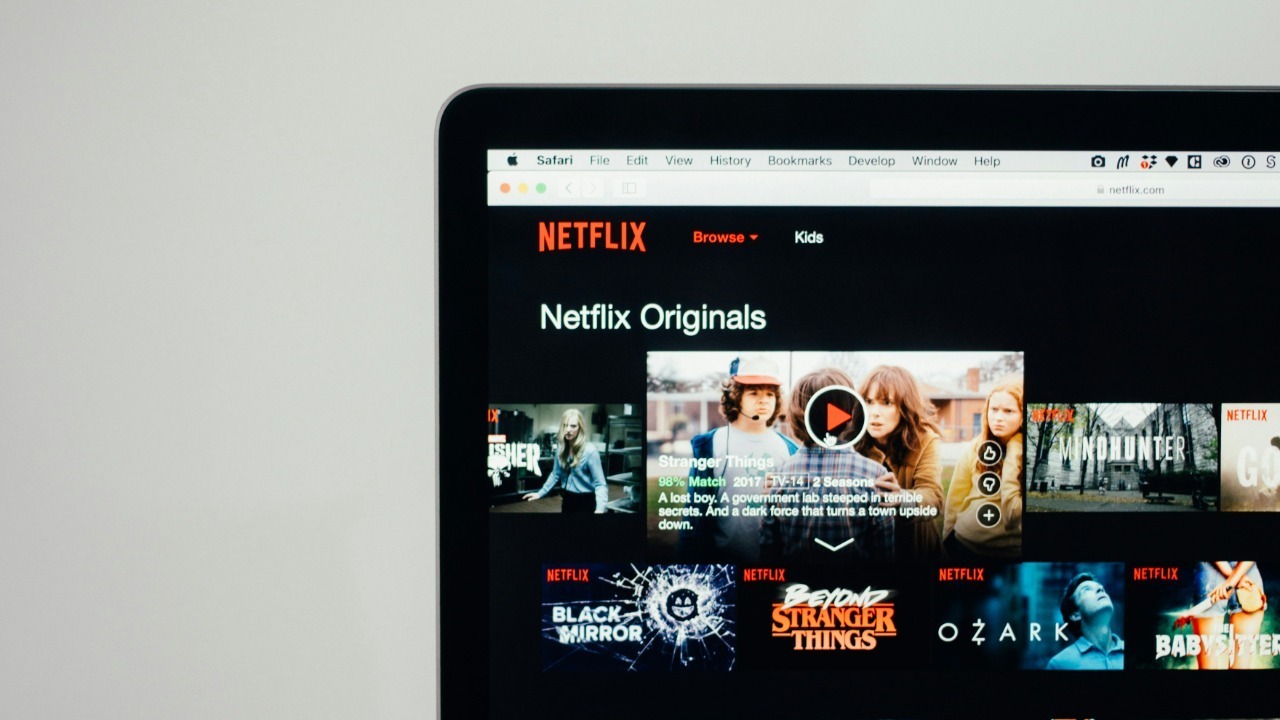
The muted reaction to The Electric State is not just about one movie, it is about how streaming has rewired the stakes of success and failure. In the old theatrical model, a $320 million production that collapsed at the box office would trigger shareholder anxiety and public scrutiny. In the Netflix era, the same level of spending can be absorbed into a broader content strategy where individual titles matter less than overall subscriber engagement. The platform’s interface, which surfaces different tiles to different users, makes it easy for a flop to be quietly deprioritized without fanfare.
Industry observers have been wrestling with what this algorithmic logic does to film culture. One producer, Yellin, has spoken about trying to reconcile the industry’s turn to “optimised content” with a passion for art that has personal vision, describing how the system favors “bland, easy-to-follow” projects that can be recommended to “fans of everything.” That critique helps explain why a costly, visually ambitious film can still feel generic in practice, shaped less by a singular voice than by data-driven assumptions about what will keep viewers from cancelling. The Electric State’s slide into obscurity fits neatly into this pattern of algorithm-shaped cinema, a trend explored in depth in analysis of what the Netflix algorithm has done to films.
How Netflix’s business model cushions creative failure
From a business perspective, Netflix can tolerate a $320 million misfire in ways that would be unthinkable for a traditional studio. The company’s core product is not any single movie, it is the subscription itself, a recurring charge that grants access to a vast library. As long as enough people keep paying each month, the platform can frame even its most expensive films as part of a broader investment in variety and volume. The Electric State, in that sense, is less a standalone bet than one tile in a mosaic designed to keep churn low.
The service’s sign-up funnel reflects this logic. Prospective customers are invited to join with the promise of instant access to a deep catalog of series and films, not a single tentpole release. The Electric State may have been used in marketing materials or recommendation rows, but it ultimately functioned as one more reason to stay inside the ecosystem rather than as a discrete product that had to recoup its budget through ticket sales. That framing is evident in how the platform positions its offer on its own signup page, where the emphasis falls on breadth and convenience rather than individual titles.
What The Electric State reveals about Netflix’s creative strategy
Creatively, The Electric State exposes the tension between cinematic ambition and the homogenizing pull of the algorithm. The film’s premise, adapted from a visually distinctive book, promised a singular journey across a retro-futurist America, yet the final product was criticized for feeling oddly generic despite its lavish production design. That outcome suggests a development process where bold ideas are gradually sanded down to fit perceived audience expectations, leaving a movie that looks expensive but plays safe.
The broader pattern is visible when The Electric State is placed alongside other costly Netflix projects that struggled to resonate. Analysts have catalogued a slate of expensive Netflix movies with poor reviews, noting how some of the streamer’s priciest titles failed to generate lasting enthusiasm despite heavy spending. The Electric State’s place on that list underscores how often the platform’s biggest checks have gone to films that critics and viewers greeted with indifference, a trend documented in rundowns of expensive Netflix movies that underwhelmed.
The Russo brothers’ reputation in the streaming age
For Joe and Anthony Russo, The Electric State represents a pivotal moment in their post-Marvel careers. After overseeing some of the most commercially successful superhero films ever made, the brothers became emblematic of a new breed of blockbuster director who could command enormous budgets on streaming platforms. Their partnership with Netflix on projects like The Gray Man signaled a shift in power from studios to streamers, with the Russos as marquee names who could supposedly guarantee global appeal.
The Electric State complicates that narrative. With a $320 m budget attached to their names and a final product that critics widely panned, questions have emerged about whether the Russo brand still carries the same weight it once did. Some commentators have framed the film as evidence that the brothers’ style, which thrived within the Marvel machinery, may not translate as cleanly to original or adaptation-driven projects in the streaming space. The debate over whether the Russo brothers have “fallen” after The Electric State’s flop reflects a broader reassessment of star directors in the algorithm era, a reassessment sharpened by coverage of The Electric State as their most expensive and least loved streaming effort.
Why this flop matters for viewers, not just executives
The story of The Electric State is ultimately about more than corporate risk tolerance or directorial reputations. It speaks to a viewing environment where even a $320 million American science fiction action-adventure can feel disposable, a piece of content to be sampled and abandoned rather than a cultural event to be argued over. When failures no longer sting in public, the incentives to take real creative risks can erode, replaced by a focus on safe, “bland, easy-to-follow” formulas that keep the recommendation engine humming.
For audiences, that shift shows up in subtle ways, from the sameness of many high-budget streaming films to the sense that nothing is truly essential viewing. The Electric State’s quiet collapse, tracked through search listings that now mostly serve as a record of its existence, illustrates how quickly even the biggest bets can be forgotten. Type the title into a search bar and you will find knowledge panels and link clusters that confirm its basic details, but little evidence of a lasting footprint, a reality reflected in the sparse metadata attached to The Electric State and its companion search entry. Even promotional clips, like a trailer hosted on YouTube, now feel less like artifacts of a major cultural moment and more like reminders of how easily a $320 million movie can disappear into the stream.
More From TheDailyOverview

Grant Mercer covers market dynamics, business trends, and the economic forces driving growth across industries. His analysis connects macro movements with real-world implications for investors, entrepreneurs, and professionals. Through his work at The Daily Overview, Grant helps readers understand how markets function and where opportunities may emerge.