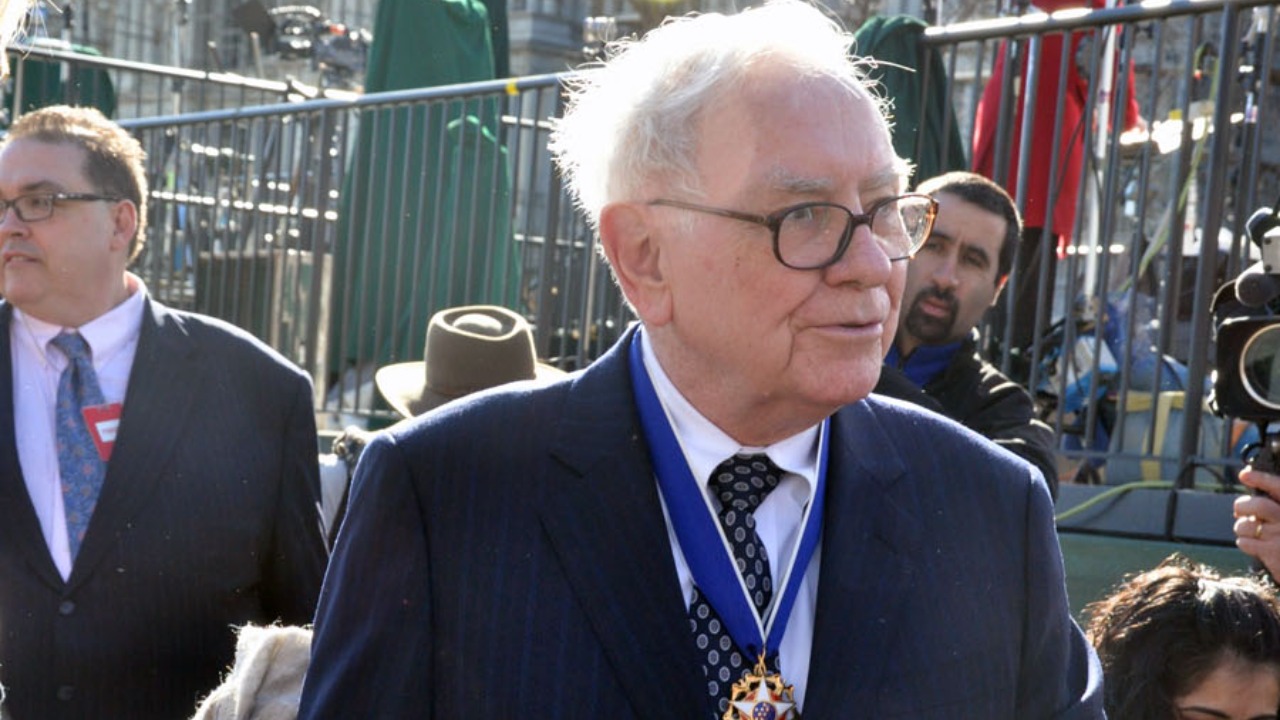
Warren Buffett, the renowned investor and CEO of Berkshire Hathaway, recently shared insights on how he would approach investing if he were 30 years old again. His advice, focusing on high-quality businesses with strong competitive advantages, highlights timeless principles like patience and value investing. These insights offer valuable lessons for younger investors navigating today’s markets, especially as discussions about Berkshire Hathaway’s future without Buffett continue to unfold.
Buffett’s Direct Response to the 30-Year-Old Scenario
When asked how he would invest if he were 30 years old again, Warren Buffett emphasized the importance of investing in “wonderful businesses at fair prices” rather than “fair businesses at wonderful prices.” This approach underscores his belief in the value of quality over price, a principle that has guided his investment strategy for decades. Buffett’s focus on high-quality businesses is rooted in the idea that such companies are more likely to withstand market fluctuations and deliver consistent returns over time. His advice is particularly relevant in today’s volatile markets, where identifying companies with strong fundamentals can provide a buffer against economic uncertainties.
Buffett also highlighted the importance of dedicating time to learning about industries and companies. He mentioned that if he were starting over at age 30, he would “read and think” more, emphasizing the value of continuous learning and deep industry knowledge. This approach allows investors to make informed decisions and identify opportunities that others might overlook. By prioritizing education and understanding, young investors can build a solid foundation for long-term success.
Another key aspect of Buffett’s advice is the power of compounding over decades. Starting young allows investors to take advantage of exponential growth through reinvested earnings. Buffett’s own success is a testament to the power of compounding, as his wealth has grown significantly over the years through disciplined investing and reinvestment of profits. For young investors, this highlights the importance of starting early and maintaining a long-term perspective.
Key Principles from Buffett’s Investment Philosophy
Central to Buffett’s investment philosophy is the concept of an “economic moat,” which refers to a company’s durable competitive advantage. This could be in the form of brand strength, cost leadership, or other factors that protect the company from competitors. By investing in companies with strong moats, Buffett aims to ensure that his investments can withstand competitive pressures and continue to generate returns over the long term. This principle is particularly important in today’s rapidly changing business environment, where technological advancements and market disruptions are common.
Patience is another core tenet of Buffett’s philosophy. He advises against frequent trading and instead advocates for holding investments for the long term to benefit from market fluctuations. This approach allows investors to ride out short-term volatility and capitalize on the long-term growth potential of their investments. By maintaining a patient and disciplined approach, investors can avoid the pitfalls of emotional decision-making and focus on achieving their financial goals.
Buffett also stresses the importance of investing only in what you understand. This principle helps investors avoid speculative risks and make informed decisions based on their knowledge and expertise. By focusing on areas where they have a deep understanding, investors can better assess the potential risks and rewards of their investments. This approach is particularly relevant in today’s complex financial markets, where new investment products and strategies are constantly emerging.
Lessons for Modern Young Investors
Applying Buffett’s advice to current market conditions can provide valuable guidance for young investors. One strategy is to use low-cost index funds for broad exposure if individual stock picking feels overwhelming. This approach allows investors to benefit from the overall growth of the market while minimizing the risks associated with individual stock selection. By diversifying their portfolios with index funds, young investors can achieve a balanced mix of risk and return.
Building a diversified portfolio of quality stocks is another way to mirror Buffett’s approach at 30. By focusing on a few exceptional opportunities rather than spreading investments too thin, investors can concentrate their resources on high-potential companies. This strategy requires careful research and analysis to identify companies with strong fundamentals and growth prospects. By concentrating on quality over quantity, young investors can enhance their chances of achieving long-term success.
Overcoming common pitfalls like emotional decision-making is crucial for beginners in volatile environments. Buffett’s emphasis on discipline and a long-term perspective can serve as a guide for young investors navigating market fluctuations. By maintaining a clear investment strategy and avoiding impulsive decisions, investors can stay focused on their financial objectives and avoid costly mistakes.
Berkshire Hathaway’s Endurance Beyond Buffett
The question of whether Berkshire Hathaway can maintain its greatness without Warren Buffett is a topic of ongoing discussion. A July 13, 2025 analysis explores the company’s future performance and succession plans. Berkshire’s decentralized structure and substantial cash reserves are factors that could enable continuity and preserve Buffett’s value-oriented approach even after his leadership. These elements provide a strong foundation for the company’s future, allowing it to adapt to changing market conditions while maintaining its core principles.
However, finding a successor with comparable insight and leadership qualities remains a challenge. Buffett’s unique blend of investment acumen and ethical leadership has been instrumental in Berkshire’s success. For young investors, adopting a similar decentralized thinking approach in their own strategies can help them build resilient portfolios capable of weathering market changes. By focusing on long-term value creation and maintaining a disciplined investment approach, investors can emulate the principles that have made Berkshire Hathaway a success.
The Uniqueness of Buffett’s Legacy
Warren Buffett’s legacy is unparalleled, as highlighted in a May 5, 2025 opinion piece that reflects on his track record and ethical investing style. His blend of humility, lifelong learning, and shareholder focus are rare traits that young investors should strive to emulate. Despite the evolution of markets, Buffett’s principles remain relevant and provide a timeless framework for successful investing.
Buffett’s advice for a 30-year-old encapsulates a philosophy resistant to short-term trends, ensuring its relevance for future generations. By focusing on quality, patience, and understanding, young investors can build a solid foundation for long-term success. As markets continue to evolve, the principles that have guided Buffett’s career offer a valuable roadmap for navigating the complexities of investing.
More From TheDailyOverview
- Dave Ramsey says these two simple questions show whether you’re rich or poor
- Retired But Want To Work? Try These 18 Jobs for Seniors That Pay Weekly
- IRS raises capital gains thresholds for 2026 and what’s new
- 12 ways to make $5,000 fast that actually work

Cole Whitaker focuses on the fundamentals of money management, helping readers make smarter decisions around income, spending, saving, and long-term financial stability. His writing emphasizes clarity, discipline, and practical systems that work in real life. At The Daily Overview, Cole breaks down personal finance topics into straightforward guidance readers can apply immediately.

