
Flipping rare coins has emerged as an intriguing and profitable side gig for enthusiasts and investors alike. This niche market combines the thrill of treasure hunting with the potential for financial gain, making it an appealing option for those looking to diversify their income streams. In this guide, we will explore the essentials of coin flipping, from understanding market trends to the practical steps of buying and selling.
Understanding the Rare Coin Market
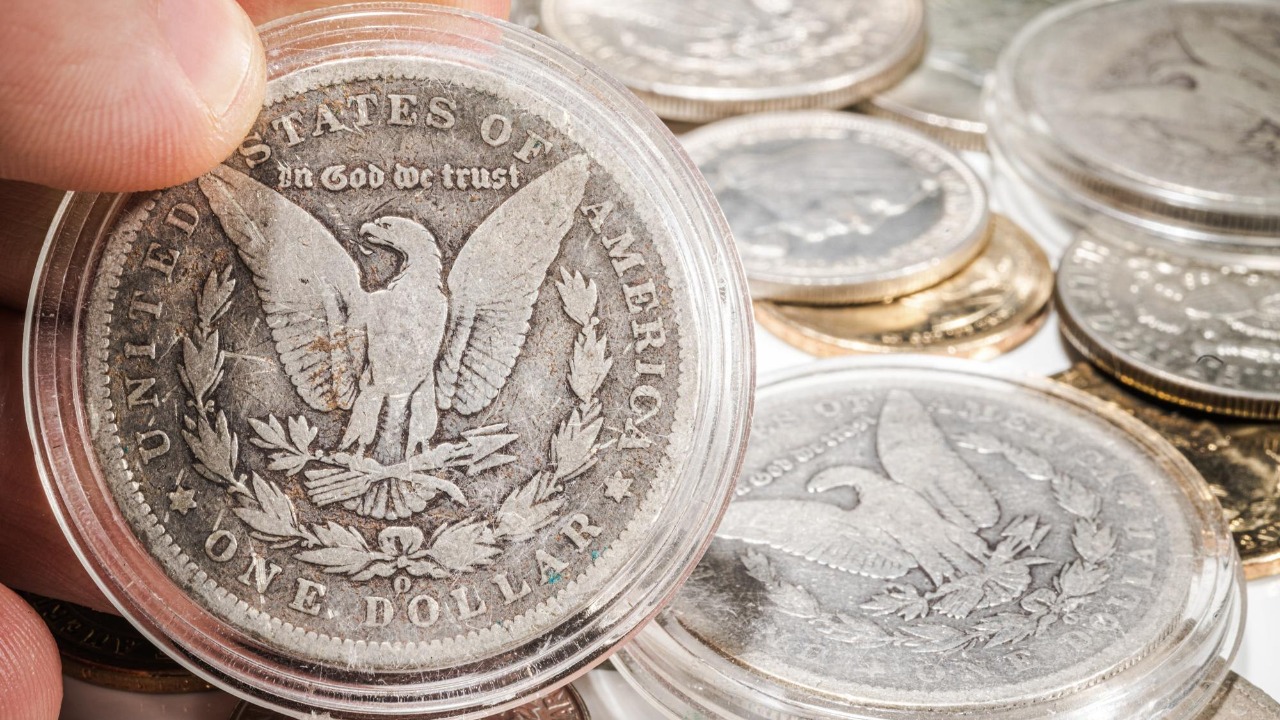
The history of coin collecting dates back centuries, with its roots in ancient times when coins were not just currency but also a symbol of power and prestige. Over the years, this hobby evolved into a lucrative market, capturing the interest of collectors and investors worldwide. The transformation of coin collecting into a financial endeavor occurred as people began to recognize the historical and aesthetic value of coins, alongside their monetary worth. The commercialization of coin collecting has since turned it into a serious investment opportunity.
In today’s market, several factors drive the demand for rare coins. Economic conditions often play a crucial role, with many investors turning to tangible assets like coins during times of financial uncertainty. Moreover, the enthusiasm of collectors cannot be underestimated, as their passion fuels the continuous demand for unique and historically significant pieces. Major auction houses, such as Heritage Auctions and Stack’s Bowers, play an integral role in this ecosystem, serving as platforms where serious collectors and investors come together to buy and sell rare coins. Additionally, online marketplaces like eBay and specialized forums offer more accessible entry points for newcomers.
Getting Started with Coin Flipping
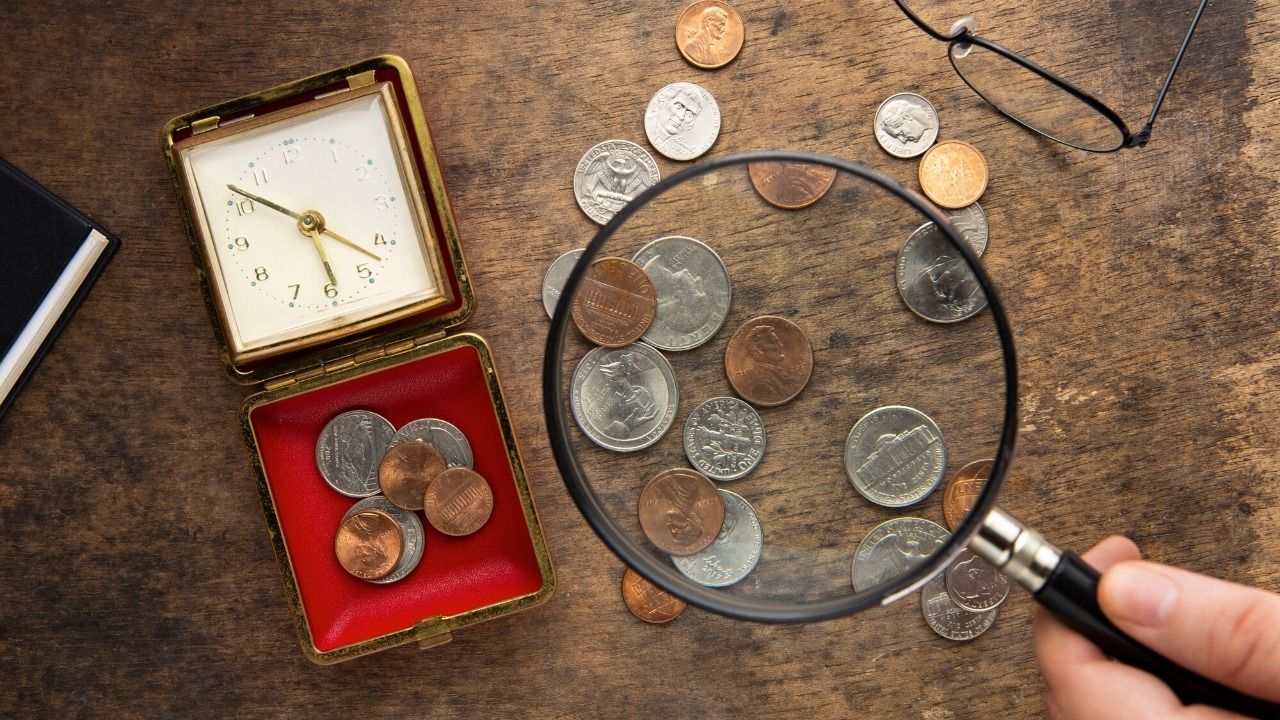
Before diving into the world of coin flipping, it’s essential to educate yourself on the intricacies of the market. Understanding coin grading and valuation is crucial, as these factors significantly impact a coin’s market value. Authentication is another key area to focus on, ensuring that you can confidently identify genuine coins and avoid counterfeits.
Building a strong network is vital in this industry. Connecting with experienced collectors and dealers can provide invaluable advice and open up potential opportunities for buying and selling. Attend coin shows, join online forums, and participate in social media groups dedicated to coin collecting to expand your network. As you build relationships, you’ll also gain insights into market trends and learn how to spot profitable opportunities.
It’s important to approach your initial investments with caution and a clear budget. Determine how much capital you’re willing to allocate to this venture and stick to it. Start by investing in a few coins that you have thoroughly researched and are confident about their potential for appreciation. Overextending financially, especially in the beginning, can lead to unnecessary stress and potential losses.
Identifying Profitable Coins
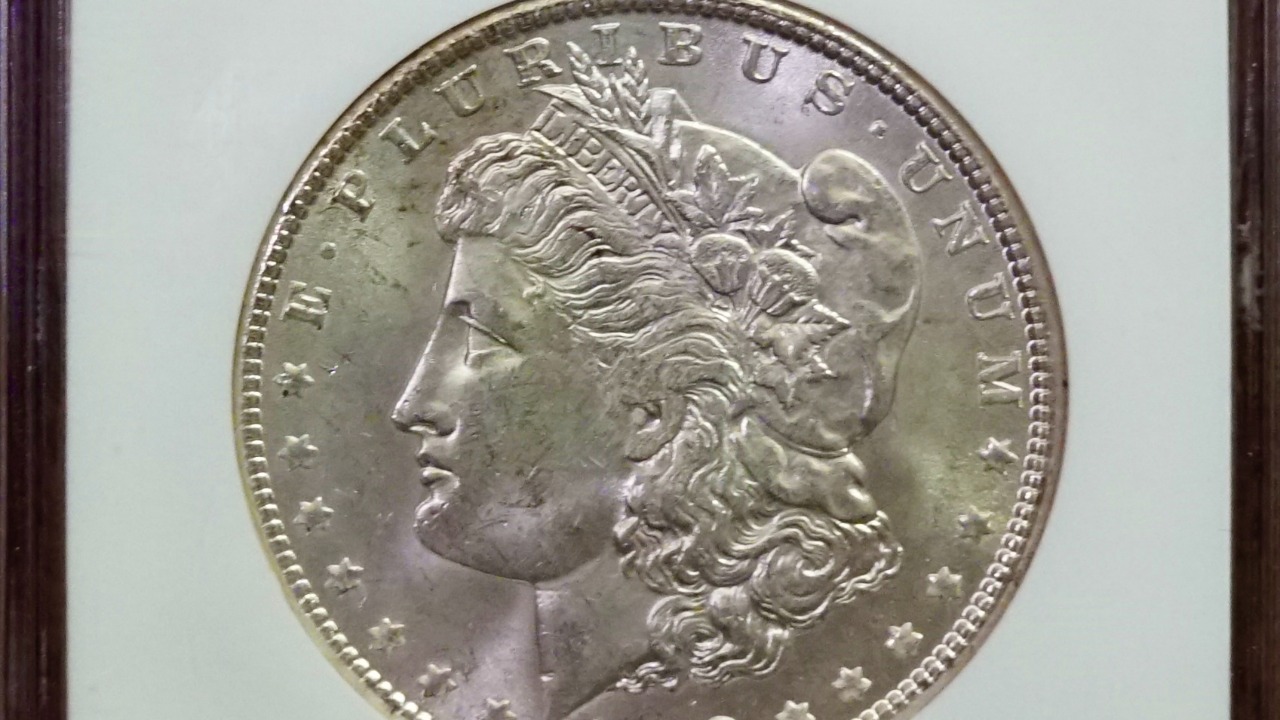
Grading systems, such as the Sheldon Coin Grading Scale, are used to evaluate the condition of coins and, consequently, their value. A coin’s grade can significantly affect its market price; for instance, coins with a high grade are typically in better condition and rarer, making them more valuable. Learning to accurately assess a coin’s grade can help you make better purchasing decisions and maximize your profits.
Staying informed about current trends and hot commodities in the rare coin market is crucial. Certain coins, like early American coins or those with historical significance, often see spikes in demand. For example, Morgan Silver Dollars and Liberty Head Nickels are popular among collectors. Understanding why these coins are in demand—whether due to their rarity, historical context, or aesthetic appeal—can help you identify profitable opportunities.
It’s equally important to avoid common pitfalls, such as buying counterfeit coins or overpaying for items. Familiarize yourself with the characteristics of authentic coins and rely on reputable sources for purchases. Using tools like coin authentication guides and consulting with experts can help mitigate these risks.
Buying and Selling Strategies

The platforms you choose for buying and selling coins can greatly impact your success. Online auctions like eBay and dedicated numismatic auction sites offer vast audiences and competitive pricing. Physical marketplaces, such as coin shows and shops, provide opportunities for face-to-face transactions and negotiations. Each platform has its pros and cons, so it’s essential to evaluate which aligns best with your goals and preferences.
Negotiation is an art in the world of coin flipping. Mastering negotiation tactics can lead to better purchase prices and higher selling profits. When buying, don’t hesitate to make offers slightly below the asking price, especially if you notice the seller is motivated. Conversely, when selling, highlight the unique features and history of your coins to justify your asking price.
Timing is a critical factor in maximizing profits. The rare coin market, like any other, experiences cycles influenced by economic conditions and collector trends. Monitor these cycles and be prepared to sell when demand is high. Patience is key; waiting for the right moment to buy or sell can make a significant difference in your earnings.
Expanding Your Coin Flipping Business
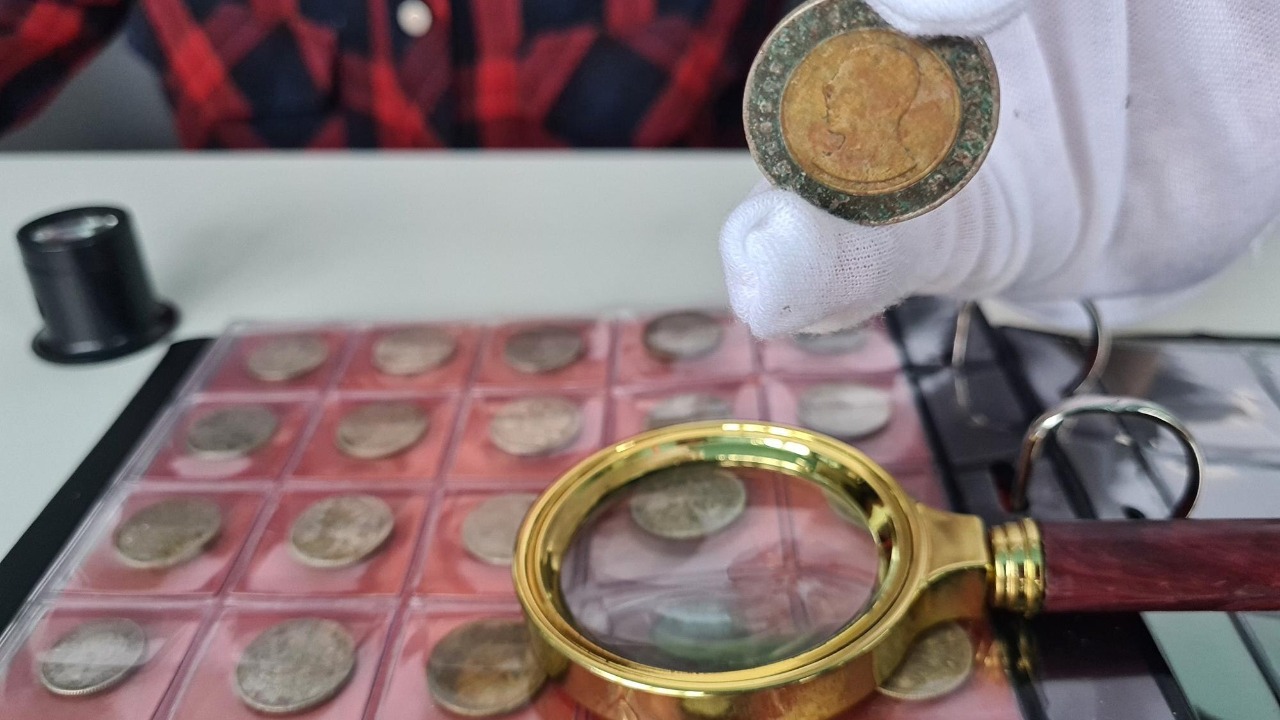
Once you’ve gained some experience and confidence in coin flipping, consider reinvesting your profits to scale up your collection. This could involve purchasing higher-value coins or acquiring a larger volume of coins to increase potential earnings. As you expand, continue to educate yourself and refine your strategies to stay competitive in the market.
Diversification is another strategy to consider. While specializing in a particular type of coin can be advantageous, diversifying into different categories, such as ancient coins, world coins, or even other collectibles, can broaden your market reach. However, it’s crucial to weigh the benefits against the risks, as diversification requires additional research and expertise.
Long-term planning is essential for sustained profitability and personal satisfaction. Set clear goals for your coin flipping business, whether it’s achieving a certain profit margin, expanding your collection, or eventually transitioning to full-time investing. Consider developing an exit strategy to ensure that you can gracefully transition out of the market when the time is right. By planning for the future, you’ll be better positioned to enjoy the rewards of your efforts in the rare coin market.

Cole Whitaker focuses on the fundamentals of money management, helping readers make smarter decisions around income, spending, saving, and long-term financial stability. His writing emphasizes clarity, discipline, and practical systems that work in real life. At The Daily Overview, Cole breaks down personal finance topics into straightforward guidance readers can apply immediately.

