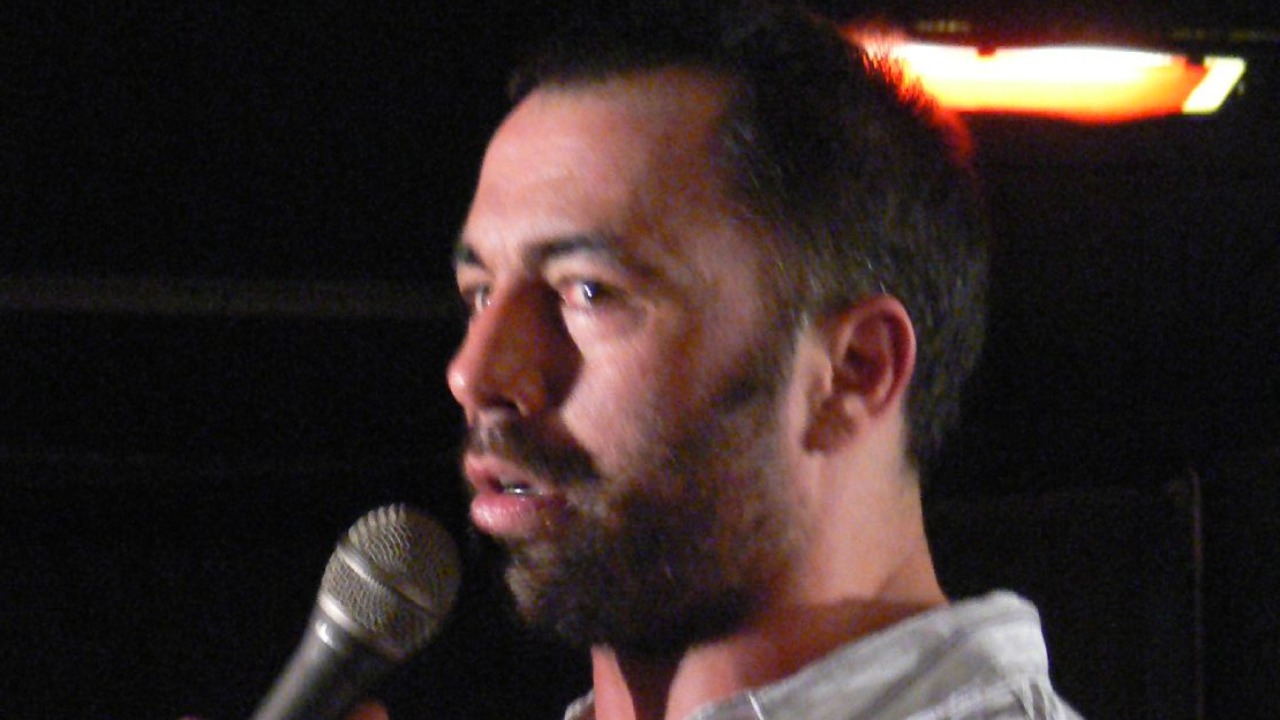
Joe Rogan’s groundbreaking deal with Spotify in 2020 was more than just a headline-grabbing moment; it was a seismic shift in the podcasting world. Valued at over $200 million, this agreement redefined the economics of podcasting by establishing a new benchmark for exclusivity deals and influencing how content creators can monetize their work.
The Landmark Deal

The details of Joe Rogan’s deal with Spotify were as remarkable as the figure itself. The agreement, which was initially reported to be worth $100 million, later revealed its true value at over $200 million. The contract secured exclusivity for “The Joe Rogan Experience” on Spotify, essentially transforming the platform into the sole provider of one of the most popular podcasts globally. This deal spanned multiple years and included rights to the full back catalog as well as future episodes, reinforcing Spotify’s commitment to dominating the podcast space.
The immediate impact of this deal reverberated throughout the industry. Competitors and other content creators were forced to reassess their strategies. Podcast platforms had to reconsider their monetization models, while advertisers started to look at podcasting through a new lens. The deal set a new standard, pushing the boundaries of what was considered possible in podcast monetization.
Redefinition of Podcast Economics

Spotify’s acquisition of Rogan’s podcast catalyzed a shift in revenue models. Traditionally, podcasts relied heavily on advertising revenues, but this deal showcased the potential of exclusivity as a lucrative alternative. Content creators began to explore partnerships that offered direct financial support in exchange for exclusivity, challenging the traditional ad-based model.
This shift also promoted the rise of exclusive content. Following Rogan’s move, the podcast industry saw a surge in platforms seeking to secure exclusive rights to popular shows. This trend altered audience access, as listeners were now required to subscribe to specific platforms to follow their favorite podcasts, inevitably changing how platforms strategized their content offerings.
Influence on Content Creators

Rogan’s deal empowered content creators by illustrating the potential for substantial financial gains through strategic partnerships. It set new expectations for compensation, giving creators more negotiation power. Creators now had a tangible example to cite when discussing their value and potential deals with platforms.
However, the landscape also posed challenges for smaller podcasters. The focus on high-budget exclusivity deals meant that independent creators could find themselves overshadowed by major players with significant financial backing. The industry, increasingly dominated by big-money deals, presented hurdles to those without similar resources.
Market Responses and Competitor Strategies

Spotify’s strategic move positioned it as a formidable competitor against giants like Apple Podcasts and Amazon Music. By securing Rogan’s podcast, Spotify signaled its intent to lead the podcasting space, pushing other platforms to evolve their strategies. This aggressive market play forced competitors to explore similar exclusivity deals to retain their audience base.
In response, other streaming platforms adjusted their strategies to remain competitive. Some focused on enhancing user experience, while others invested heavily in acquiring exclusive content. This resulted in a dynamic shift in how platforms approached content acquisition and audience engagement, all catalyzed by Spotify’s bold move.
Future Implications for the Podcast Industry

The long-term implications of Rogan’s deal are vast. As the podcast industry continues to grow, we can expect more mergers, acquisitions, and innovative monetization strategies. Platforms may increasingly focus on acquiring exclusive rights to popular shows to attract and retain subscribers, potentially leading to a more consolidated market.
Moreover, the deal has influenced the evolving role of podcasts within the media and entertainment landscape. Podcasts, once seen as supplementary content, are now considered central to content strategies. This shift may lead to greater investment in podcast production and a broader acceptance of podcasts as a primary medium for storytelling and information dissemination.
For more insights on the impact of Joe Rogan’s deal with Spotify, you can read this New York Times article. Additionally, for a detailed analysis of the deal’s financial specifics, check out this report. To understand the broader industry response, here’s an AP News article discussing competitor strategies.

Cole Whitaker focuses on the fundamentals of money management, helping readers make smarter decisions around income, spending, saving, and long-term financial stability. His writing emphasizes clarity, discipline, and practical systems that work in real life. At The Daily Overview, Cole breaks down personal finance topics into straightforward guidance readers can apply immediately.

