
Gold prices have surged past $4,000 an ounce in 2025, prompting experts to weigh in on investment strategies amid this historic rally. Despite the metal being pricier than ever, specialists see potential for even higher values, influencing advice on annual purchases. Conversations about trading gold jewelry for cash highlight the timing considerations for buyers, especially as the market continues to evolve.
Understanding Gold’s Role in a Portfolio
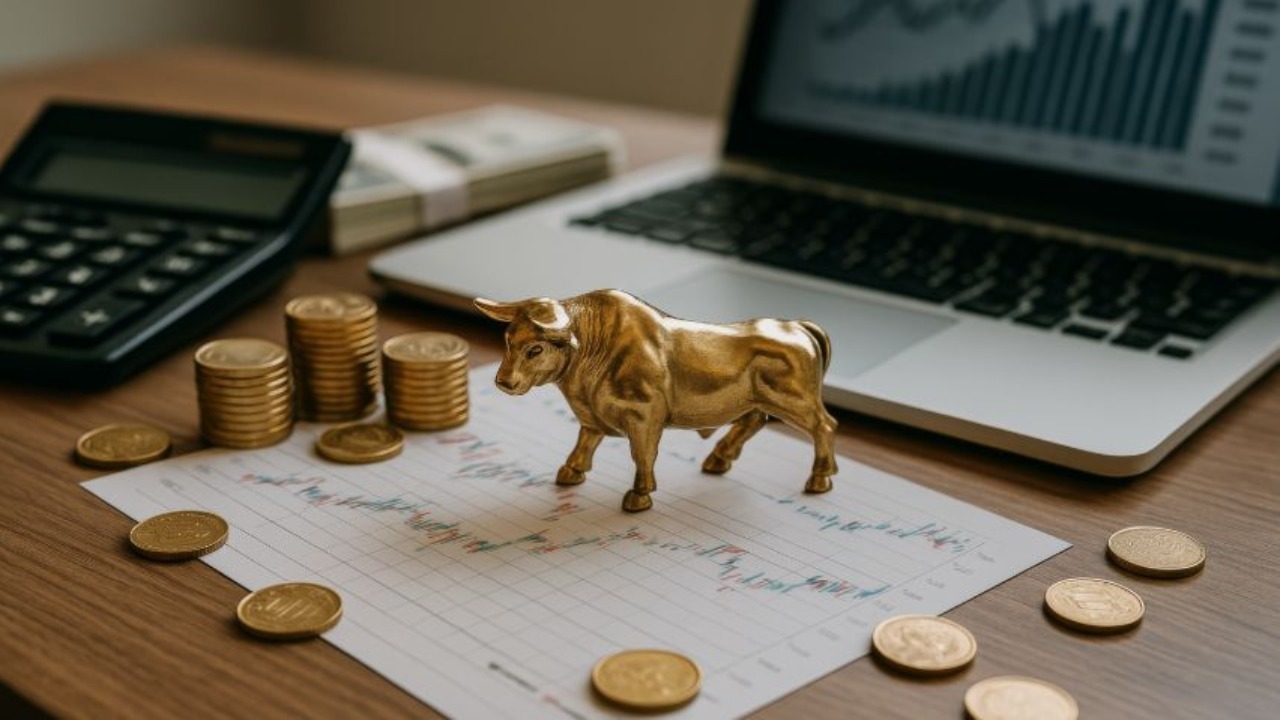
Experts recommend allocating a small percentage of a diversified portfolio to gold as a hedge against inflation and economic uncertainty. Typically, this allocation ranges from 5-10% based on individual risk tolerance. Gold’s role as a stabilizing force in portfolios is well-documented, offering protection against currency devaluation and market volatility. According to Kiplinger, maintaining a modest allocation can help investors navigate uncertain economic landscapes.
Annual gold purchases are often advocated as a consistent strategy rather than lump-sum investing. This approach allows investors to steadily accumulate gold, averaging out price volatility over time. As noted by CBS News, this method can mitigate the risk of buying at market peaks and smooth out the cost basis of the investment. Financial advisors frequently highlight the importance of balancing gold with stocks and bonds to ensure long-term stability.
Balancing gold with other asset classes, such as stocks and bonds, is crucial for achieving long-term financial goals. By diversifying across different types of investments, individuals can reduce overall portfolio risk. According to Investopedia, this balance helps investors capitalize on gold’s protective qualities while benefiting from the growth potential of equities and fixed income.
Expert Recommendations on Annual Purchase Amounts

For those new to gold investing, experts suggest starting with annual purchases ranging from $1,000 to $5,000, adjusted according to income levels and financial goals. This initial investment provides a tangible entry point into the gold market without overcommitting resources. As CBS News reports, this strategy allows beginners to build their holdings gradually while gaining experience in the market.
Experienced investors are often advised to allocate 1-2% of their annual income to gold, focusing on physical bars or coins for tangible assets. This approach not only diversifies their portfolio but also provides a hedge against economic downturns. As noted by Kiplinger, owning physical gold can offer a sense of security and a safeguard against inflationary pressures.
Market conditions also play a significant role in determining purchase amounts. Experts recommend scaling purchases based on market highs, such as limiting buys when prices exceed $4,000 per ounce. According to RankiaPro, this strategy helps investors avoid overpaying during peak periods and positions them to take advantage of potential price corrections.
Factors Driving Gold Prices and Buying Decisions

Geopolitical tensions and interest rate cuts have been key drivers pushing gold above $4,000 an ounce in 2025. These factors contribute to the metal’s appeal as a safe haven asset during times of uncertainty. As RankiaPro highlights, the current economic climate has heightened demand for gold, further influencing its price trajectory.
Despite current highs, experts anticipate further rises in gold prices, citing persistent inflation and central bank demand as primary catalysts. The ongoing economic challenges and monetary policies continue to bolster gold’s value proposition. According to Investopedia, these factors suggest that gold will remain a critical component of investment strategies moving forward.
Personal financial factors, such as age, retirement timeline, and liquidity needs, also influence yearly gold allocations. Investors must consider their unique circumstances when determining how much gold to purchase annually. As CBS News notes, aligning gold investments with broader financial goals ensures that individuals can meet their future needs while managing risk effectively.
Risks and Timing Considerations for Gold Buyers

Investing in gold carries certain risks, such as storage costs and potential price corrections. Experts advise against over-allocating beyond recommended limits to avoid these pitfalls. According to Kiplinger, maintaining a balanced approach helps mitigate these risks while preserving the benefits of gold ownership.
The context of April 30, 2025, provides a critical lens for evaluating gold transactions, including trading jewelry for cash during peak prices. This timing consideration can significantly impact the decision-making process for both buyers and sellers. As CNBC reports, understanding market dynamics and timing can enhance the effectiveness of gold investments.
Monitoring economic indicators is essential for timing annual gold purchases effectively. By staying informed about market trends and economic developments, investors can make more strategic decisions. As Investopedia suggests, keeping a close eye on these factors can help investors optimize their gold buying strategies and achieve their financial objectives.

Cole Whitaker focuses on the fundamentals of money management, helping readers make smarter decisions around income, spending, saving, and long-term financial stability. His writing emphasizes clarity, discipline, and practical systems that work in real life. At The Daily Overview, Cole breaks down personal finance topics into straightforward guidance readers can apply immediately.