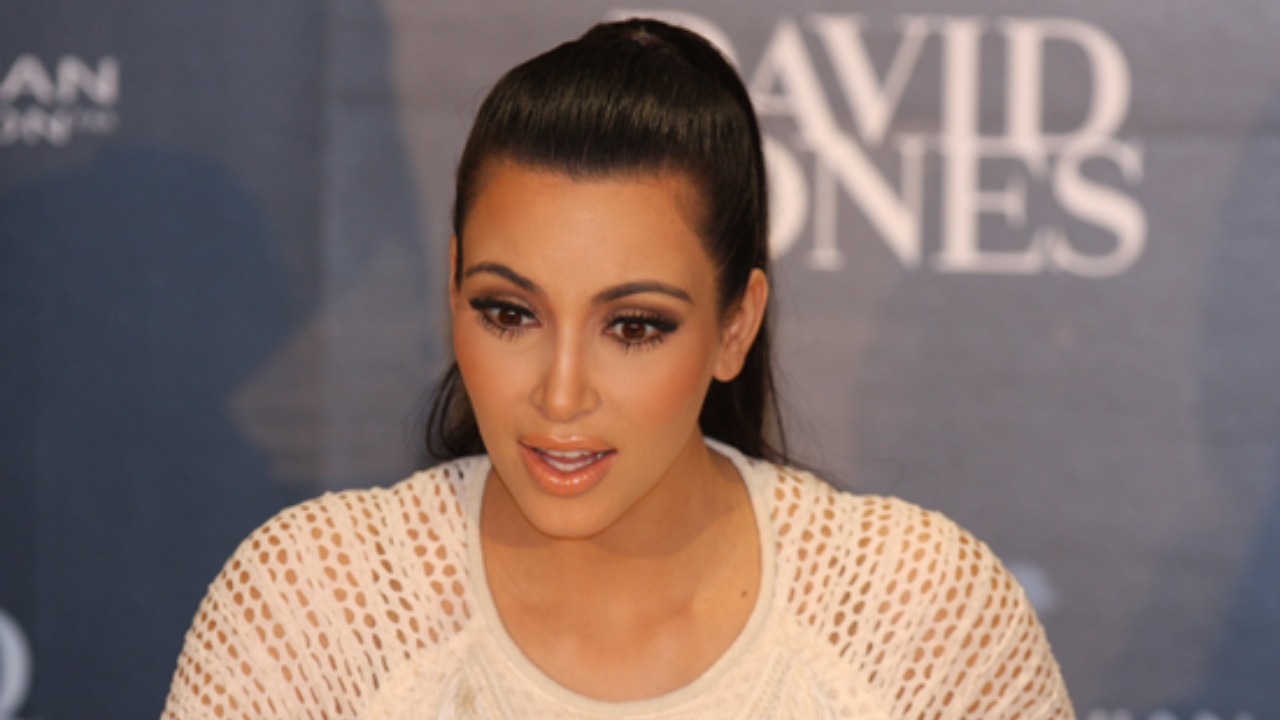
Kim Kardashian is not just a reality TV star; she’s a fashion icon whose closet is the stuff of legends. While many of us have modest wardrobes, Kim’s collection is worth millions. Let’s delve into the opulent world of Kim Kardashian’s closet and see how it compares to the average person’s wardrobe.
The Lavish World of Kim Kardashian’s Closet
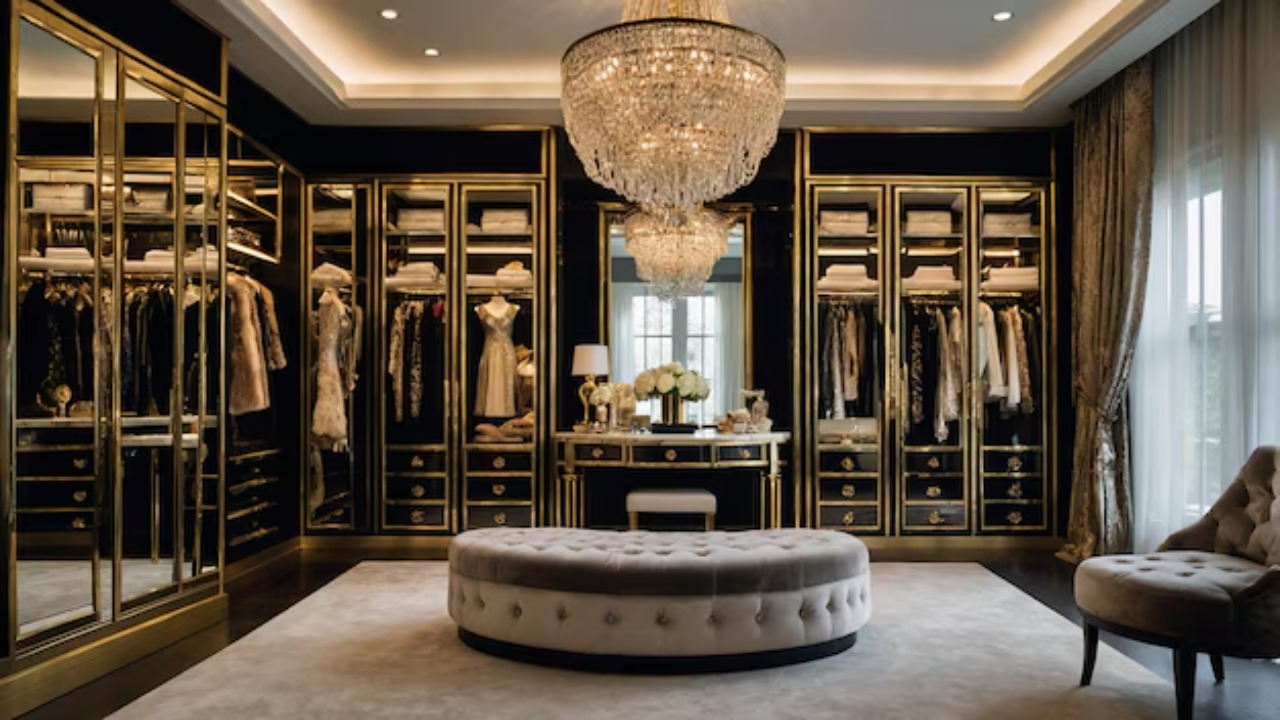
Kim Kardashian’s closet is a treasure trove of high-end fashion pieces that would make any fashion enthusiast envious. Her wardrobe is filled with iconic items, from designer dresses by Balmain to luxury handbags from Louis Vuitton. Each piece is a testament to her status as a fashion icon, meticulously selected to enhance her brand and public persona.
Luxury brands like Balmain, Givenchy, and Louis Vuitton play a significant role in shaping Kim’s fashion identity. These brands represent the pinnacle of fashion, offering exclusive designs and unparalleled quality. Kim’s association with such labels not only elevates her status but also influences trends and consumer behavior worldwide.
One-of-a-kind pieces, custom-made for Kim, highlight her exclusive access to high fashion. These items are designed to fit her perfectly, ensuring she always looks her best. Such custom pieces are not just about fashion; they are a statement of her influence and connections within the industry.
Cost of Keeping Up with Kim
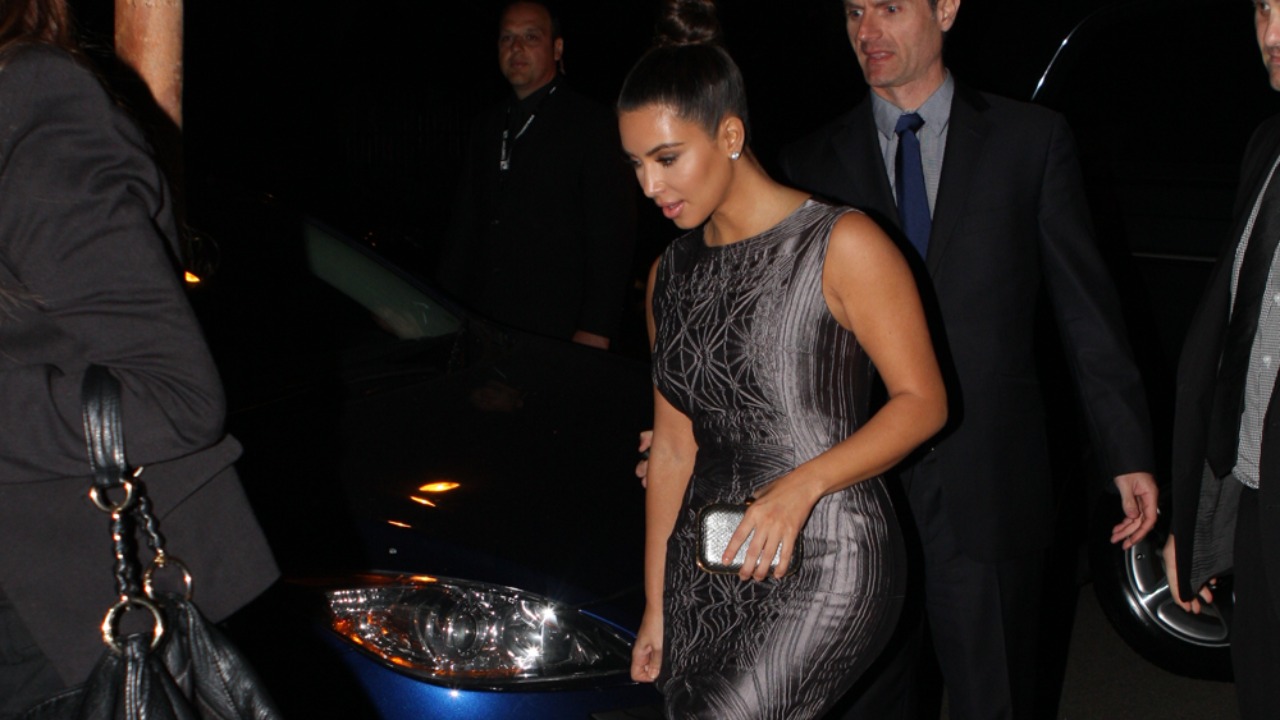
Estimating the total value of Kim Kardashian’s closet is no easy feat, but industry insights suggest it runs into millions of dollars. With items like $10,000 dresses or $200,000 handbags, the cumulative value of her wardrobe is staggering. This lavish collection requires not only a significant initial investment but also ongoing maintenance.
Maintenance and storage costs for such a vast and valuable collection are considerable. Professional cleaning, preservation techniques, and specialized storage solutions ensure these luxury items remain in pristine condition. These costs add another layer of expense to her already opulent lifestyle.
The resale value of luxury fashion is another intriguing aspect of Kim’s closet. Many items in her collection may appreciate over time, making them potentially lucrative investments. The allure of owning something from Kim’s wardrobe could drive up resale prices, as seen with platforms like Kardashian Kloset.
The Average Person’s Wardrobe
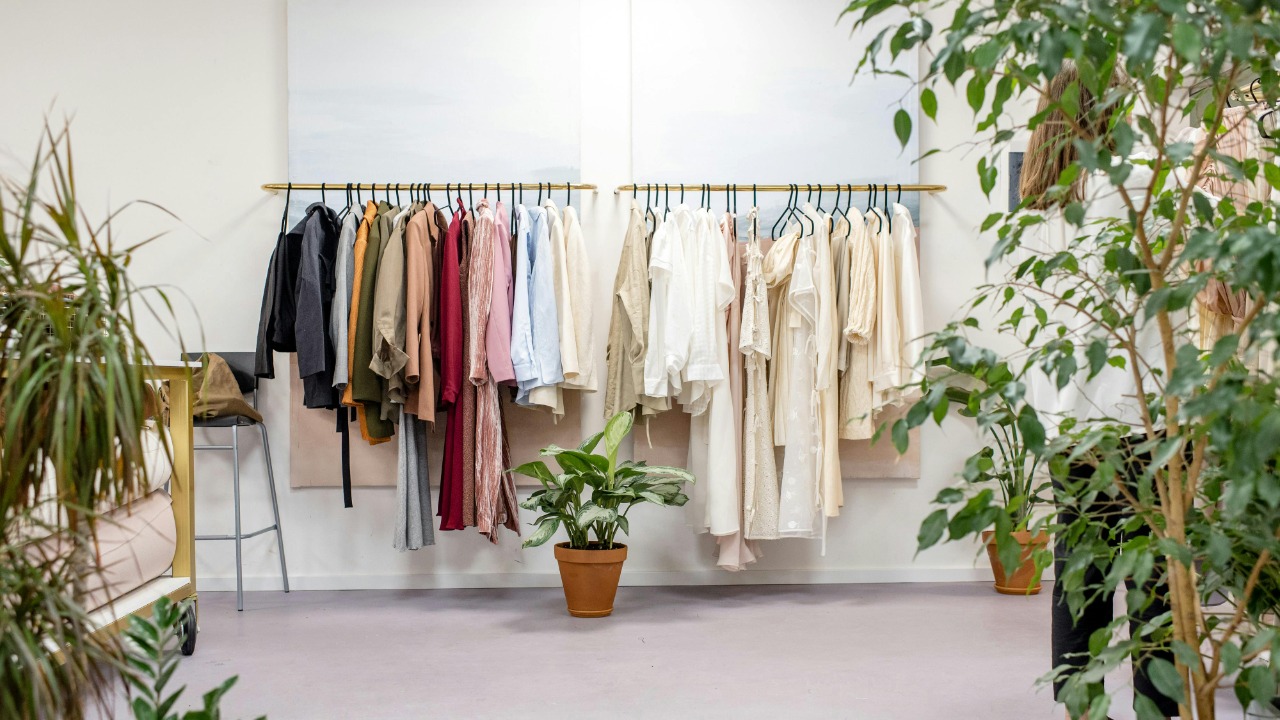
In stark contrast, the average person’s wardrobe is far more modest. Typical clothing expenses for an ordinary person are a fraction of what Kim spends. According to industry reports, the average American spends around $1,700 annually on clothing, a mere drop in the ocean compared to Kim’s expenditures.
Fast fashion dominates the average person’s closet due to its affordability and accessibility. Brands like Zara and H&M offer trendy styles at lower prices, allowing consumers to update their wardrobes frequently without breaking the bank. This stands in contrast to the timeless and often costly pieces found in Kim’s collection.
The size and variety of a typical person’s wardrobe are also limited compared to Kim’s extensive collection. While most people have a practical selection of clothing for various occasions, Kim’s wardrobe is a curated gallery of fashion history with countless options for any event.
Cultural and Social Implications
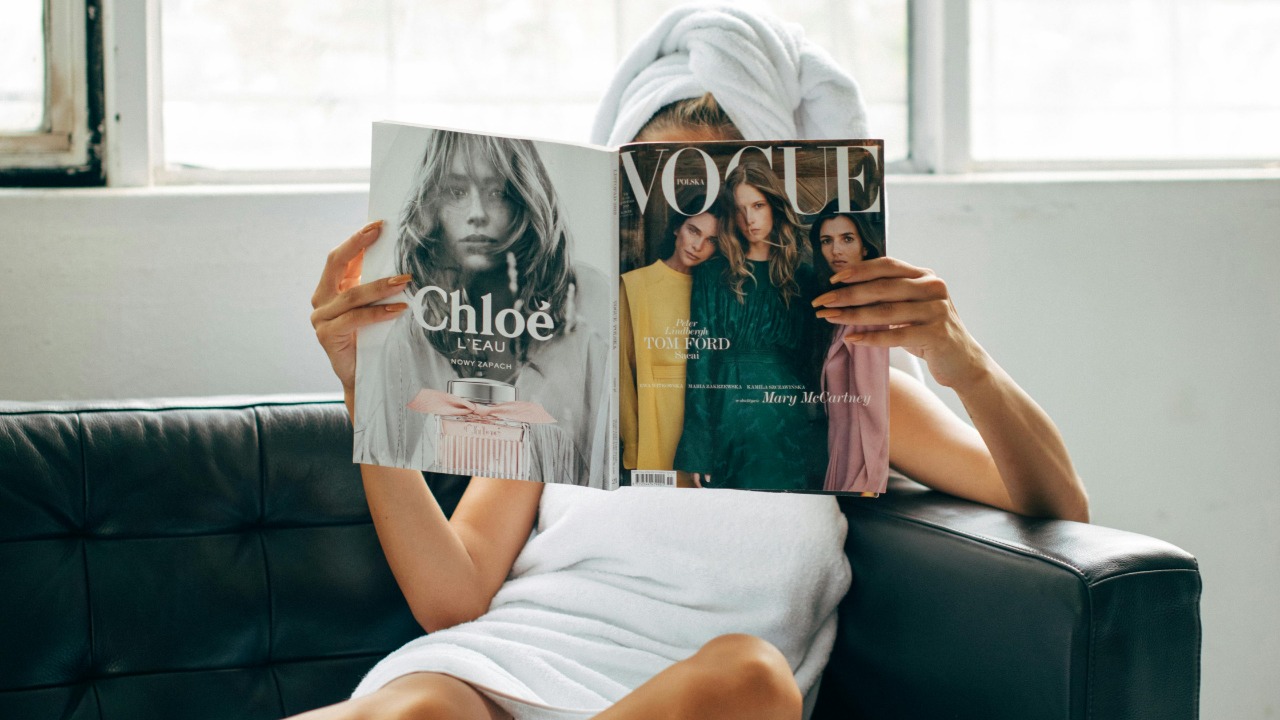
Celebrity wardrobes like Kim Kardashian’s have a profound impact on consumer behavior. Fans and fashion enthusiasts alike look to celebrities for inspiration, often driving trends and influencing spending habits. The aspirational allure of luxury fashion is a powerful motivator, tempting people to invest in high-end items to emulate their idols.
The psychological and social factors that drive people to aspire to own luxury fashion items are complex. Owning a piece of luxury fashion is often viewed as a status symbol, a tangible representation of success and sophistication. The desire to achieve this status fuels the popularity of luxury brands.
Social media platforms like Instagram amplify this effect, with celebrities like Kim sharing their fashion choices with millions of followers. These posts drive engagement and shape public perception of what constitutes high-end fashion, further entrenching the influence of celebrity wardrobes.
Ethical and Environmental Considerations
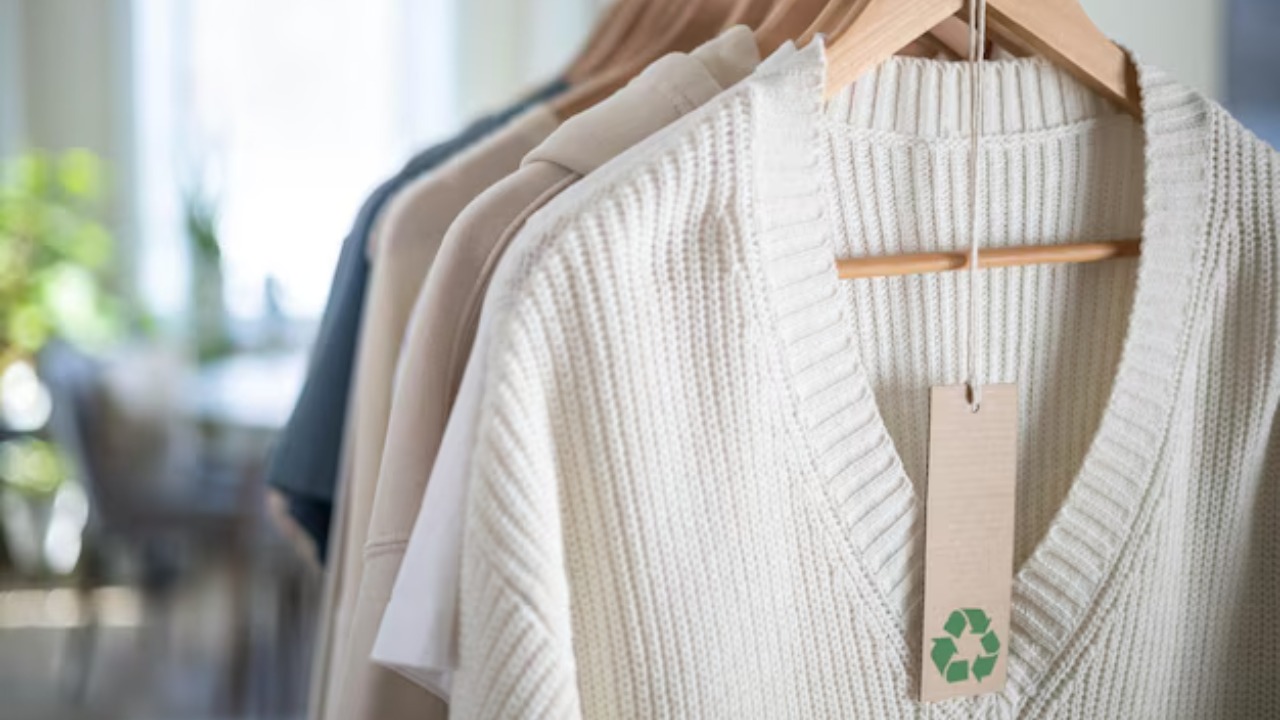
The environmental cost of luxury fashion is a pressing concern. The production of high-end clothing and accessories often involves significant resource consumption and waste, contributing to environmental degradation. In contrast, there is a growing movement towards sustainable fashion, which seeks to minimize these impacts through eco-friendly practices.
Ethical concerns in fashion production also come into play, with issues such as labor practices and material sourcing under scrutiny. Luxury brands are often held to higher standards, but the fast fashion industry has been criticized for its reliance on cheap labor and unsustainable production methods.
As awareness of these issues grows, more consumers are seeking out sustainable alternatives. This trend represents a shift away from the traditional luxury fashion model exemplified by Kim Kardashian’s closet, towards a more responsible and ethical approach to fashion consumption.

Cole Whitaker focuses on the fundamentals of money management, helping readers make smarter decisions around income, spending, saving, and long-term financial stability. His writing emphasizes clarity, discipline, and practical systems that work in real life. At The Daily Overview, Cole breaks down personal finance topics into straightforward guidance readers can apply immediately.

