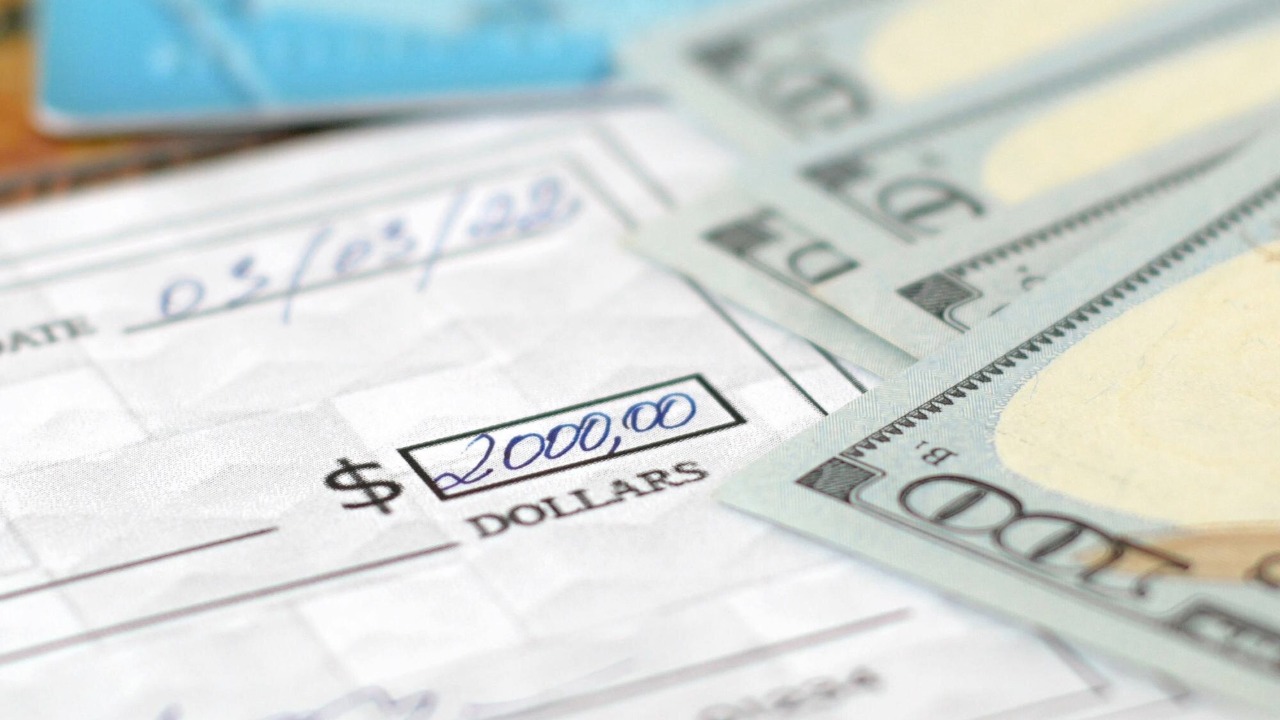
In today’s financial landscape, over 5% of U.S. households remain unbanked, creating a significant need for quick and efficient ways to cash checks without a traditional bank account. As of 2025, new guidance has emerged to meet the rising demand for alternative financial services. Reports such as “How to Cash a Check Without a Bank Account” and “6 Ways To Cash A Check Without A Bank Account” provide practical steps and insights into fee structures and speed variations, offering valuable information for those seeking to avoid the delays often associated with traditional banking.
Check Cashing Stores and Services
Standalone check cashing outlets, such as ACE Cash Express and Check Into Cash, offer a convenient solution for those without bank accounts. These services typically charge a fee of 1-2% for payroll and government checks, which are processed the same day. This efficiency is achieved without requiring extensive identification beyond basic requirements, making it accessible for unbanked individuals. The process is streamlined through electronic systems that verify checks instantly, as highlighted in the report by U.S. News.
While these services are widely available, there are regional variations to consider. Urban areas tend to have a higher concentration of check cashing outlets, providing more options for consumers. However, it is crucial to locate reputable providers to avoid predatory rates. By focusing on established practices and understanding the local landscape, individuals can make informed decisions about where to cash their checks quickly and safely.
Retail and Grocery Store Options
Major retailers like Walmart and Kroger offer another viable option for cashing checks without a bank account. These stores cap their fees at $4 for checks under $1,000, and the process is often completed in under 10 minutes during store hours. However, there are limitations to consider, such as only accepting personal or payroll checks from the store’s employer list, as detailed in the Bankrate analysis.
To expedite the process, many stores offer apps for pre-verification, allowing customers to prepare their checks before arriving at the store. This can significantly reduce wait times and streamline the experience. Additionally, state-specific rules may apply regarding maximum amounts that can be cashed, so it’s important to be aware of these regulations to avoid any surprises at the checkout.
Prepaid Debit Cards and Loadable Accounts
For those seeking a digital solution, depositing checks onto prepaid debit cards like Netspend or Green Dot is an effective method. This can be done via mobile apps or partner locations, with funds typically available within 10 minutes for a flat fee of around $5. This approach not only provides quick access to funds but also links to broader unbanked solutions, such as sending money post-cashing. The SmartAsset guide outlines options for quick transfers without requiring a full banking relationship.
Verification steps usually involve uploading photos of the check, ensuring security and accuracy. This method offers instant access to funds, contrasting with slower alternatives that may involve longer processing times. By leveraging technology, individuals can enjoy the convenience of digital transactions without the need for a traditional bank account.
Apps and Digital Wallets for Faster Access
Apps like Ingo Money and PayPal provide another layer of convenience by allowing users to cash checks via smartphone scans. Funds are then loaded to digital wallets within minutes, though fees can reach up to 5%. These apps integrate with services tailored for unbanked users, facilitating efficient money movement strategies without necessitating physical visits.
Security features and dispute processes are integral to building trust in these digital platforms. Users should be aware of eligibility requirements for certain check types, such as tax refunds, to ensure a smooth transaction. By understanding the capabilities and limitations of these apps, individuals can make informed choices about how to manage their finances effectively.
Fee Comparisons and Legal Hold Times
When choosing a method to cash checks, understanding the fee structures is crucial. Check cashing stores typically charge 2-3%, while retailers offer flat fees ranging from $1 to $5. These costs should be weighed against the potential delays associated with traditional banks, where federal law allows up to two business days for local checks or longer for nonlocal ones.
To minimize fees, individuals might consider cashing smaller amounts more frequently or checking state regulations for consumer protections. By being strategic about their choices, consumers can access their funds more quickly and with fewer costs, making non-bank options an attractive alternative for many.
More From TheDailyOverview
- Dave Ramsey says these two simple questions show whether you’re rich or poor
- Retired But Want To Work? Try These 18 Jobs for Seniors That Pay Weekly
- IRS raises capital gains thresholds for 2026 and what’s new
- 12 ways to make $5,000 fast that actually work

Silas Redman writes about the structure of modern banking, financial regulations, and the rules that govern money movement. His work examines how institutions, policies, and compliance frameworks affect individuals and businesses alike. At The Daily Overview, Silas aims to help readers better understand the systems operating behind everyday financial decisions.

