
Furniture flipping is an increasingly popular side hustle that allows you to transform old or unwanted pieces into profitable treasures. By taking the time to learn essential skills and market insights, you can successfully flip furniture for quick cash. Here’s a comprehensive guide to maximizing your earnings through smart restorations and strategic sales.
Finding the Right Furniture to Flip

Understanding the Market
In order to make the most out of furniture flipping, it’s crucial to understand the market. Identifying in-demand furniture styles and trends can significantly impact your returns. Mid-century modern, farmhouse chic, and industrial styles are some of the trends that have consistently performed well. By staying updated on current design preferences, you can make informed decisions about which pieces to invest in.
Scouting Locations
Finding affordable furniture is the next step. Some of the best places to source furniture include thrift stores, garage sales, and online marketplaces like Facebook Marketplace and Craigslist. These venues often offer pieces at a fraction of the retail price, allowing for higher profit margins. It’s also worth attending estate sales and auctions, where you might find unique items with untapped potential.
Evaluating Condition
Once you’ve found potential pieces, assessing their condition is critical. Check for structural integrity, as extensive repairs can diminish profits. Minor surface imperfections or outdated finishes are often easy fixes that can transform a piece. Understanding what types of damage are feasible to repair is essential to avoid overspending on restorations.
Essential Tools and Materials

Basic Tools
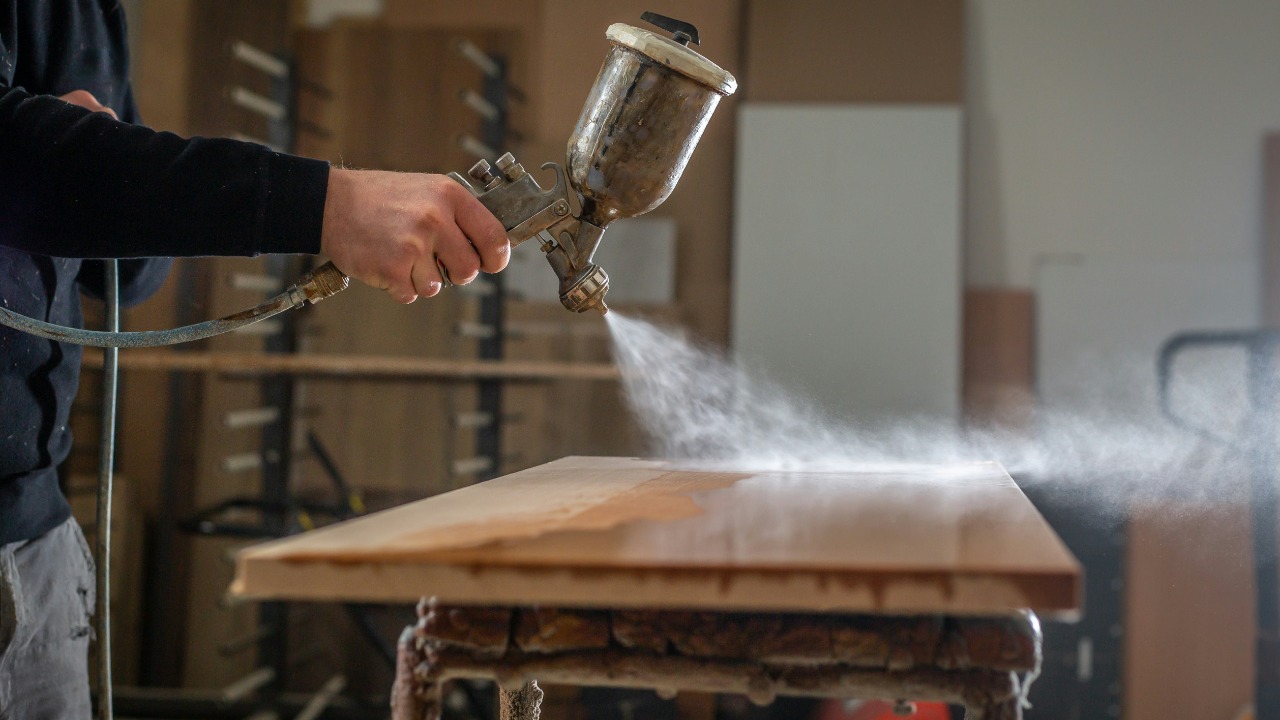
To ensure successful furniture restoration, having the right tools is essential. A few basic tools include sanders, paintbrushes, screwdrivers, and drills. These tools will help prepare surfaces and make necessary repairs. As you grow more experienced, consider investing in advanced tools like paint sprayers and power drills to improve efficiency and finish quality.
Finishing Supplies
The choice of finishing supplies can greatly enhance the appeal of your pieces. Opt for quality paints, varnishes, and stains to give your furniture a polished look. Upholstery fabric is also a consideration if you’re working with chairs or couches. Selecting fabrics that align with current design trends can make your pieces more attractive to buyers.
Budgeting for Supplies
Effective budgeting is crucial for maintaining profitability. Prioritize buying supplies in bulk or during sales to reduce costs. Keep track of expenses meticulously and compare prices across different suppliers. Knowing how to budget effectively ensures that your flips remain profitable.
Restoration and Creativity Techniques
Repairing and Refinishing
Repairing damage and refinishing surfaces are key skills in furniture flipping. Start by cleaning the piece thoroughly, then sand down surfaces to remove old finishes. Apply primer and a fresh coat of paint or stain, finishing with a protective sealant. This step-by-step approach guarantees a polished final product that attracts buyers.
Creative Upcycling Ideas
Unleash your creativity by exploring innovative ways to upcycle furniture parts. Turning a vintage door into a chic headboard or converting an old dresser into a bathroom vanity are just a couple of possibilities. Such creative projects can set your offerings apart, appealing to buyers looking for unique and custom pieces.
Style Trends and Inspirations
Stay informed on style trends to inspire your restoration projects. Platforms like Pinterest and Instagram offer a wealth of ideas to ignite your creativity. Following interior design blogs and attending home décor expos can also provide insights into what’s currently popular, enabling you to create pieces that resonate with buyers.
Pricing and Selling Your Furniture

Determining Price
Proper pricing of your finished pieces is crucial to ensure they sell while still turning a profit. Consider factors like material costs, time invested, and market demand. A competitive pricing strategy involves researching similar items on platforms like eBay and Etsy to gauge what customers are willing to pay.
Effective Marketing Strategies
Marketing is key to attracting buyers. High-quality photographs and engaging descriptions can significantly enhance your listings. Highlight the unique aspects of each piece and include dimensions and care instructions. Utilize online platforms to reach a broader audience and consider cross-posting on multiple sites to increase visibility.
Negotiation Tactics
Being skilled in negotiation can help you secure the best price for your furniture. Be prepared to discuss your pricing rationale and remain open to reasonable offers. Developing a rapport with potential buyers can lead to successful sales and even repeat customers.
Building Your Brand as a Furniture Flipper

Creating a Unique Selling Proposition
Define what sets your furniture flips apart from others. Whether it’s a particular style, quality craftsmanship, or sustainable practices, having a unique selling proposition makes your pieces more attractive. Clearly communicate this in your listings and branding materials to stand out in a crowded market.
Leveraging Social Media
Social media platforms like Instagram and Pinterest are powerful tools for showcasing your work. Share before-and-after photos and engage with followers by sharing tips or behind-the-scenes content. Building a brand presence online can drive traffic to your listings and establish you as an authority in the furniture flipping community.
Networking with Other Flippers
Joining communities and forums dedicated to furniture flipping can provide support and inspiration. Platforms like Reddit and Facebook groups offer spaces to share experiences, exchange tips, and collaborate on projects. Networking with other flippers can also lead to opportunities for partnerships or cross-promotions.

Cole Whitaker focuses on the fundamentals of money management, helping readers make smarter decisions around income, spending, saving, and long-term financial stability. His writing emphasizes clarity, discipline, and practical systems that work in real life. At The Daily Overview, Cole breaks down personal finance topics into straightforward guidance readers can apply immediately.

