Property taxes can be a significant financial burden, but there are legal ways to reduce them. By understanding the nuances of assessments and exemptions, you can effectively lower your property tax bill. Here are ten strategies that can help you manage and potentially reduce your property taxes legally.
1. Appeal Your Property Assessment

One of the most direct ways to reduce your property tax is by appealing your property assessment. If you believe your property has been overvalued, it’s essential to gather evidence such as recent sales of comparable properties. Check your local assessment office’s guidelines for filing an appeal, as they vary by state. This process can sometimes lead to a significant reduction in your tax bill.
Keep in mind that your appeal might not always be successful, but it’s worth trying if you believe there’s an error. You can find more information on property tax appeals and other property tax tips on Investopedia.
2. Research Tax Exemptions

Explore the different types of tax exemptions available in your area. Many jurisdictions offer exemptions for veterans, disabilities, or agricultural use. These exemptions can significantly lower your tax liability. For instance, certain states provide a “circuit breaker” exemption, which caps property taxes for certain income levels.
Researching and applying for these exemptions can bring your tax bill down considerably. Consider checking your local government’s website or resources like the Grattan Institute’s report on property taxes for a deeper understanding.
3. Participate in Local Tax Relief Programs

Many local governments offer tax relief programs tailored to specific demographics, such as low-income families or senior citizens. These programs are designed to ease the burden of property taxes through credits or deferrals.
For example, Illinois has a variety of property tax relief programs that you might qualify for. Take the time to research and apply for these programs to potentially reduce your property taxes.
4. Maintain and Update Property Records

Keeping accurate property records can prevent over-assessment. Ensure that your property records reflect any changes or improvements accurately. Incorrect records can lead to higher assessments, so it’s crucial to keep them up to date.
Moreover, if you’ve removed structures or made modifications that lessen the property’s value, ensure these are documented. This practice can help in getting a fair assessment and potentially lower your property taxes.
5. Renovate Strategically

While renovations can increase your property’s value, they can also lead to higher property taxes. It’s essential to plan renovations that add value without substantially increasing your tax burden. Focus on improvements that enhance energy efficiency or practicality rather than just aesthetic upgrades.
Strategic renovations can maintain or even lower your tax liability. Consider consulting with a local tax professional to understand how different types of renovations might affect your property’s assessment and taxes.
6. Explore Senior Citizen Tax Benefits

If you’re a senior citizen, you may be eligible for specific tax benefits that can significantly reduce your property taxes. Many jurisdictions offer programs that freeze property tax rates or provide credits for seniors, ensuring that your tax bill doesn’t increase dramatically over time.
These benefits are especially useful if you’re on a fixed income. Check with your local tax authority to see which senior citizen benefits apply to you and how to apply.
7. Utilize Agricultural Land Discounts

If you own land used for agriculture, you may be eligible for substantial tax discounts. Many state and local governments offer reduced rates for farmland, recognizing its importance and encouraging agricultural use.
Confirm whether your property qualifies for these discounts, and ensure you comply with any requirements to maintain your eligibility. This approach can lead to a considerable reduction in your property tax bill.
8. Seek Homestead Exemptions

Homestead exemptions can provide significant property tax relief by lowering the taxable value of your primary residence. In many cases, this exemption is automatic, but you may need to apply in some jurisdictions.
It’s crucial to verify the requirements and application process for homestead exemptions in your area. A successful application can lead to notable savings on your property taxes.
9. Benefit from Energy Efficiency Credits
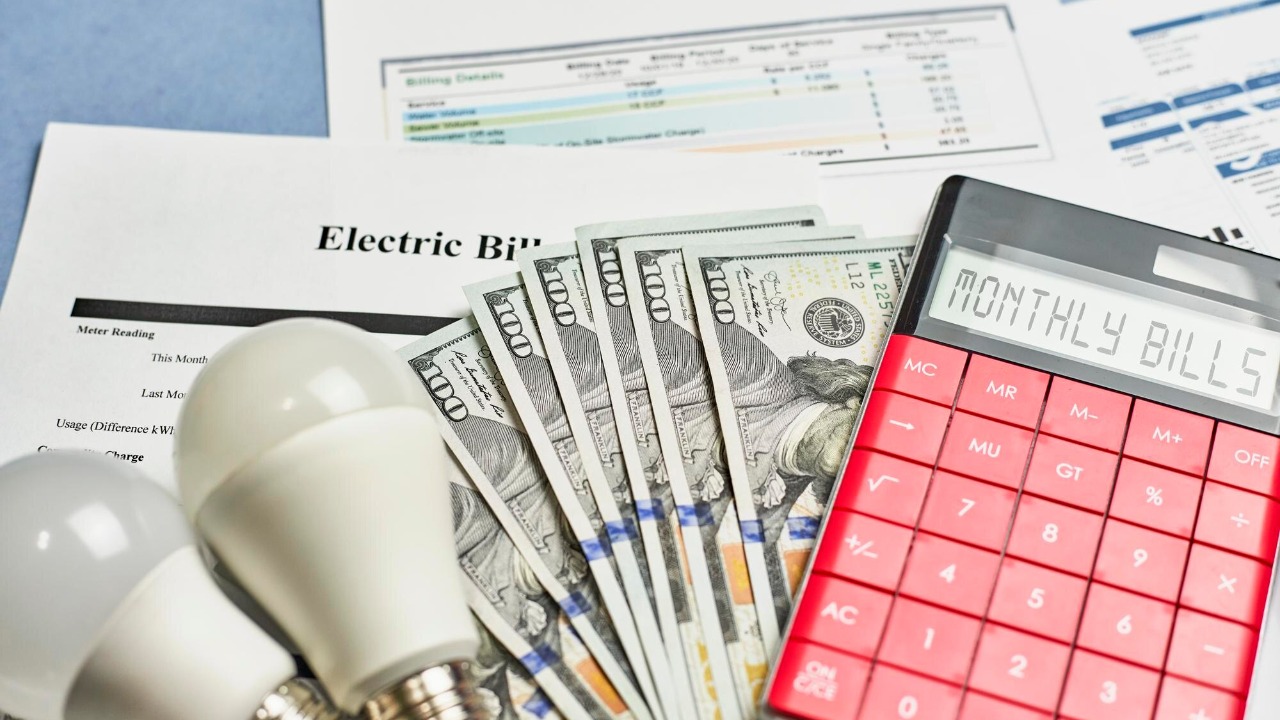
Investing in energy efficiency improvements can reduce your property taxes through available credits and rebates. Many local governments offer incentives for homeowners who make their properties more energy-efficient, such as installing solar panels or upgrading insulation.
These improvements not only lower your energy bills but can also reduce your tax liability. Check with your local tax office to explore the available energy efficiency credits and how they can benefit you.
10. Collaborate with a Tax Professional

Engaging a tax professional can provide insights into reducing your property taxes that you might not discover on your own. They can offer tailored advice based on your specific situation and help you navigate complex tax codes efficiently.
A tax professional can also assist in identifying all applicable exemptions and credits, ensuring you don’t miss any opportunities to lower your tax burden. Consider consulting with a qualified professional to maximize your tax savings.

Julian Harrow specializes in taxation, IRS rules, and compliance strategy. His work helps readers navigate complex tax codes, deadlines, and reporting requirements while identifying opportunities for efficiency and risk reduction. At The Daily Overview, Julian breaks down tax-related topics with precision and clarity, making a traditionally dense subject easier to understand.

