
Retirement is a significant milestone, yet the notion that at least $1 million is needed to retire comfortably can feel overwhelming. However, with strategic financial planning and lifestyle adjustments, retiring on less than $1 million is not only possible but can also provide a stable and fulfilling life. This guide offers practical advice and strategies to help achieve that goal.
Understanding Your Retirement Needs

The first step in planning a successful retirement is understanding your financial needs. Start by assessing your current and anticipated expenses. Consider housing costs, which can vary significantly depending on whether you own your home outright, have a mortgage, or plan to rent. Healthcare is another critical factor; estimating these costs based on your health and insurance coverage is crucial. Leisure activities, such as travel or hobbies, also need to be factored into your budget.
Next, identify your income sources. Beyond personal savings, look into Social Security, pensions, and the possibility of part-time work. Social Security can provide a substantial portion of your retirement income, but the amount varies based on your earnings history and the age you begin to collect. Pensions, if available, can also offer a steady income stream. Some might consider part-time work or consulting to fill financial gaps, especially if they enjoy staying active in their fields.
Once you have a clear picture of your expenses and income, calculate the gap between them. Understanding this gap is essential for effective planning, helping you determine how much you need to save and where adjustments might be necessary. Bankrate offers tools and calculators to assist in this crucial step.
Maximizing Social Security and Pension Benefits
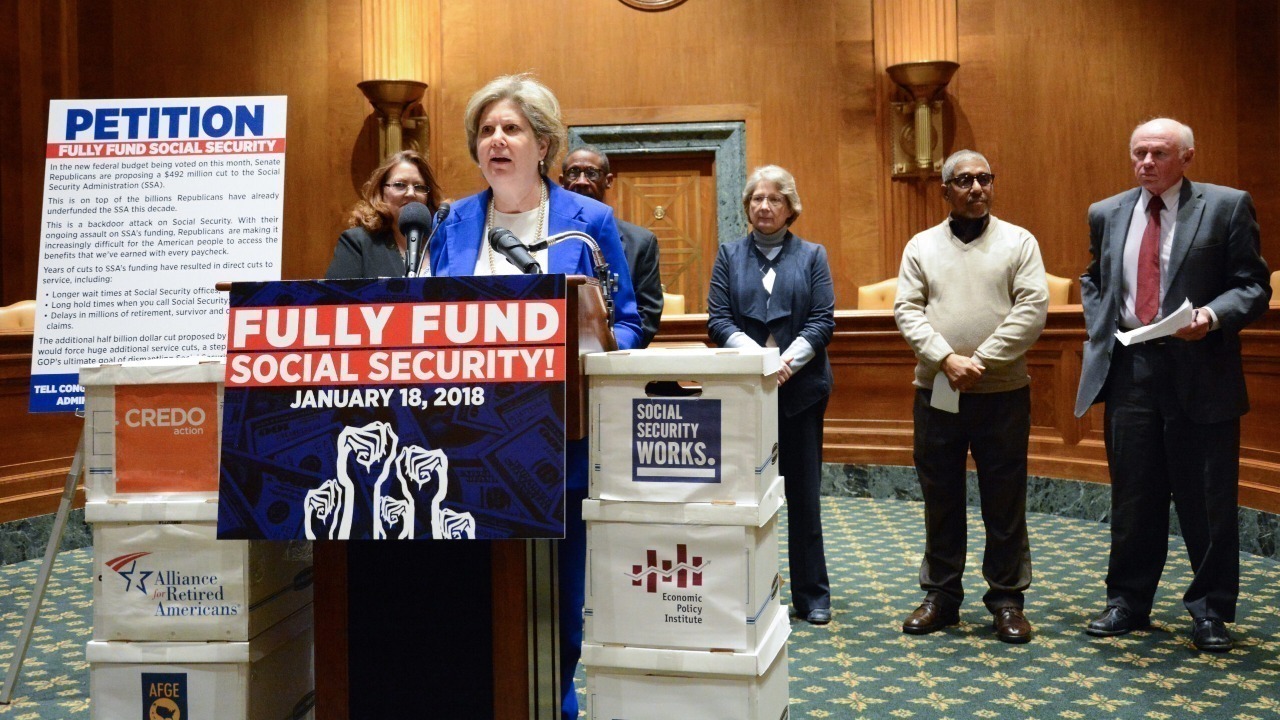
To boost your retirement income, focus on maximizing Social Security and pension benefits. Timing is crucial when deciding when to start collecting Social Security. Delaying benefits until reaching full retirement age or even later can significantly increase your monthly payout. For instance, delaying until age 70 can result in a 32% increase in benefits compared to starting at age 66.
Pension optimization is another vital consideration. If you have a pension, analyze the options of taking a lump sum versus an annuity. While a lump sum offers immediate access to funds, an annuity provides a guaranteed monthly income, potentially offering more stability. Understanding the tax implications of these decisions is also important, as some states tax Social Security and pension differently. To avoid unexpected expenses, familiarize yourself with the tax rules in your area. Research suggests that careful planning in this area can lead to significant savings.
Smart Investment Strategies

Investing wisely is crucial for a secure retirement. One strategy is diversifying your portfolio to balance risk and reward. This involves spreading investments across a mix of stocks, bonds, and other assets. Stocks offer growth potential, while bonds provide stability. Real estate or other alternative investments can also be considered for diversification.
Another effective approach is embracing low-cost index funds. These funds track specific market indices and typically have lower fees than actively managed funds, potentially increasing your returns. The reduced cost can result in significant savings over time, contributing to a more secure financial future.
Implementing a withdrawal strategy is essential to ensure your savings last. The 4% rule is a popular guideline, suggesting that withdrawing 4% of your savings annually can provide a steady income while minimizing the risk of depleting your funds. However, it’s important to adjust this rate based on market conditions and personal circumstances. Further reading can provide more insights into crafting a personalized investment strategy.
Cutting Costs in Retirement

Reducing expenses is a proactive way to stretch your retirement savings. Downsizing your home can significantly cut costs. Moving to a smaller, more affordable residence not only reduces mortgage or rental payments but can also lower utility bills and property taxes. Additionally, consider relocating to areas with a lower cost of living, such as certain regions in the South or Midwest.
Another strategy is reducing discretionary spending. Evaluate your lifestyle and identify non-essential expenses that can be trimmed. This might include dining out less frequently, choosing more affordable travel options, or canceling unused subscriptions. Embracing frugality doesn’t mean compromising on quality of life; instead, find free or low-cost alternatives for entertainment and leisure. For example, many museums offer free admission days, and community centers often have low-cost classes and events.
Adopting a frugal mindset can make a significant difference in your financial outlook. Simple changes, like cooking at home more often or choosing generic brands, can add up over time. AOL provides tips on living well on a budget, offering practical advice for those looking to cut costs without sacrificing enjoyment.
Exploring Part-Time Work and Side Hustles

Continuing to work part-time in retirement can provide not only financial benefits but also social engagement and personal fulfillment. Look for flexible opportunities that align with your skills and interests. This might include consulting in your previous field, working in retail, or even remote work options that offer the flexibility to work from home.
Monetizing hobbies is another avenue to explore. If you have a passion for crafting, teaching, or writing, consider turning it into a source of income. Platforms like Etsy or online teaching websites can help you reach a wider audience and generate extra cash. Engaging in activities you love can make working feel less like a chore and more like a rewarding experience.
Besides the financial benefits, working part-time can also provide structure and a sense of purpose during retirement. It keeps you socially engaged and mentally active, contributing positively to your overall well-being. Books on retirement planning often highlight these benefits, emphasizing the importance of staying active and engaged.

Nathaniel Cross focuses on retirement planning, employer benefits, and long-term income security. His writing covers pensions, social programs, investment vehicles, and strategies designed to protect financial independence later in life. At The Daily Overview, Nathaniel provides practical insight to help readers plan with confidence and foresight.