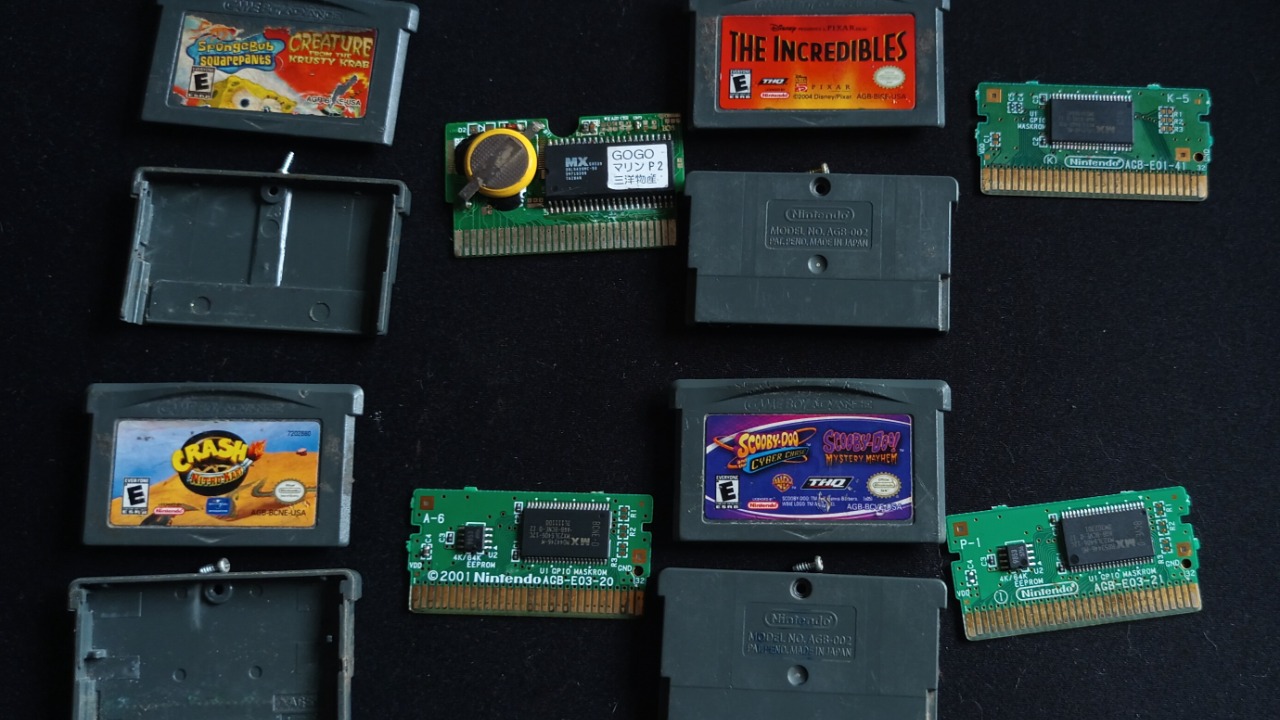
In a world filled with collectibles and unique items, spotting a reproduction, or “repro,” before making a purchase is crucial to avoid overpaying. Whether you’re dealing with antiques, video game cartridges, or designer goods, understanding how to identify a fake can save you both money and disappointment. This guide will walk you through the essential steps to recognize reproductions and make informed purchases.
Understanding the Market for Reproductions
Types of Reproductions
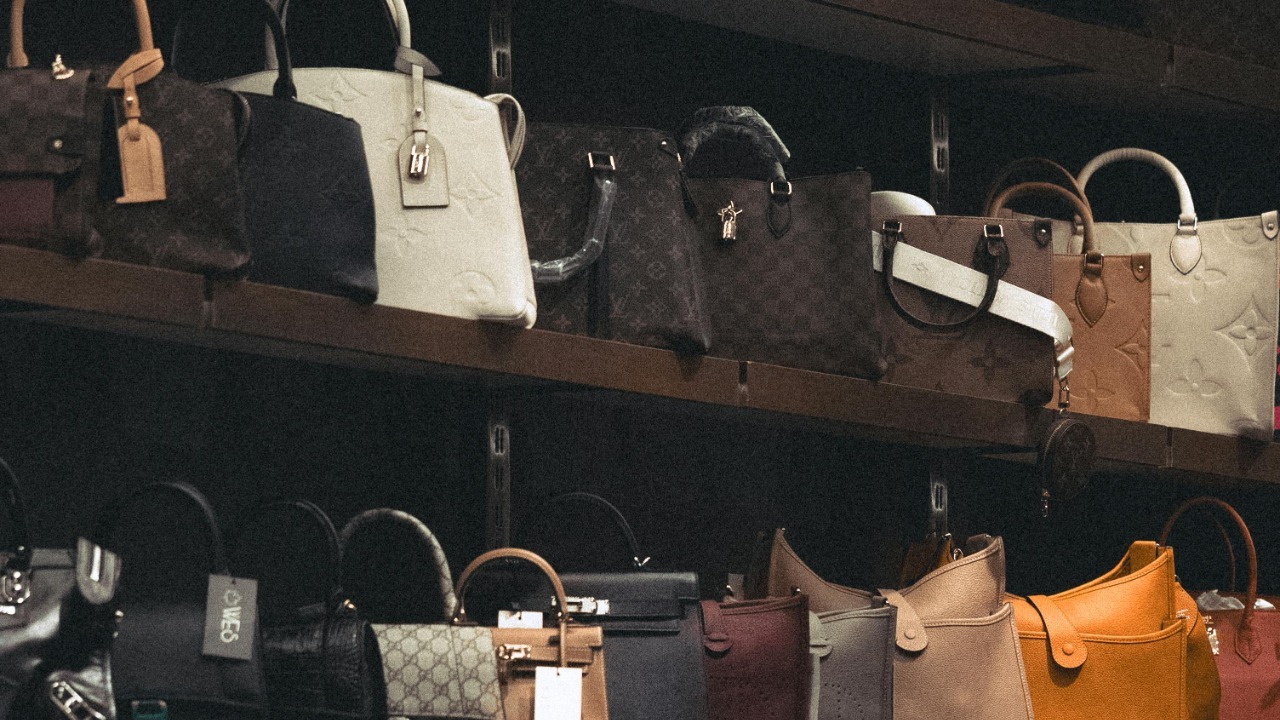
Reproductions come in several forms, each serving a different purpose in the market. Replicas are often made to mimic authentic items as closely as possible, sometimes with the intention of deceiving buyers. Fakes, on the other hand, are outright attempts to pass off a reproduction as an original, often at a fraction of the cost of manufacturing genuine items. Inspired copies, while legally gray, are typically products that draw heavily from the design of an original item without claiming to be the real deal.
Understanding these distinctions is crucial when navigating markets filled with both authentic and non-authentic items. For instance, in the realm of video game cartridges, reproductions can range from clearly labeled reproductions meant for casual gamers to counterfeit editions trying to deceive collectors.
Reasons for Reproductions
The demand for reproductions often stems from the scarcity of original items and the high prices they command in the collector’s market. For example, rare vintage designer handbags or original Game Boy cartridges have a limited supply, making them prime targets for reproduction and resale. Additionally, the profitability of selling fakes can be significant, given the lower production costs and high resale values.
This prevalence of reproductions may also be fueled by the desire of collectors or enthusiasts to own a piece of history without the prohibitive cost. However, this has also led to a market flooded with items that blur the line between original and reproduced, making it essential for buyers to remain vigilant.
Legal Perspectives
The legal implications of buying and selling reproductions are complex. While replicas may be legal under certain circumstances, selling fakes with the intent to deceive is typically illegal across many jurisdictions. Intellectual property rights play a significant role in this space, offering protection to original creators against counterfeit goods. According to insights from scholarly articles, these laws aim to balance the protection of genuine items with the allowances for reproduction under specific conditions.
Key Indicators of a Reproduction

Material Quality
One of the first indicators of a reproduction is the quality of materials used. Genuine items often utilize high-quality materials that are difficult and expensive to replicate. For example, the leather used in designer handbags or the metal alloys in antique jewelry can be telling signs of authenticity. A close inspection of the material’s texture, weight, and overall feel can often reveal discrepancies between originals and reproductions.
Craftsmanship and Details
The craftsmanship of an item is another crucial indicator of its authenticity. Genuine items are typically crafted with precision, showcasing fine details and high-quality finishing. Reproductions, on the other hand, may cut corners in these areas, resulting in items that look good from afar but reveal flaws upon closer inspection. By examining stitching, engraving, or other fine details, one can often differentiate between a genuine article and a reproduction.
Documentation and Provenance
Documentation such as certificates of authenticity or provenance records can provide valuable insight into an item’s history and authenticity. Items with clear documentation are generally more reliable, as they offer a traceable history that can be verified. Provenance can also highlight an item’s journey through time, adding to its credibility as an authentic piece.
Tools and Techniques for Identification
Authentication Guides and Resources
There are numerous guides and resources available that can aid in the authentication process. These resources often provide detailed information on identifying specific markers of authenticity for various types of items. For instance, guides for identifying authentic Louis Vuitton bags or Rolex watches can be invaluable for collectors seeking to verify their purchases.
Technological Aids
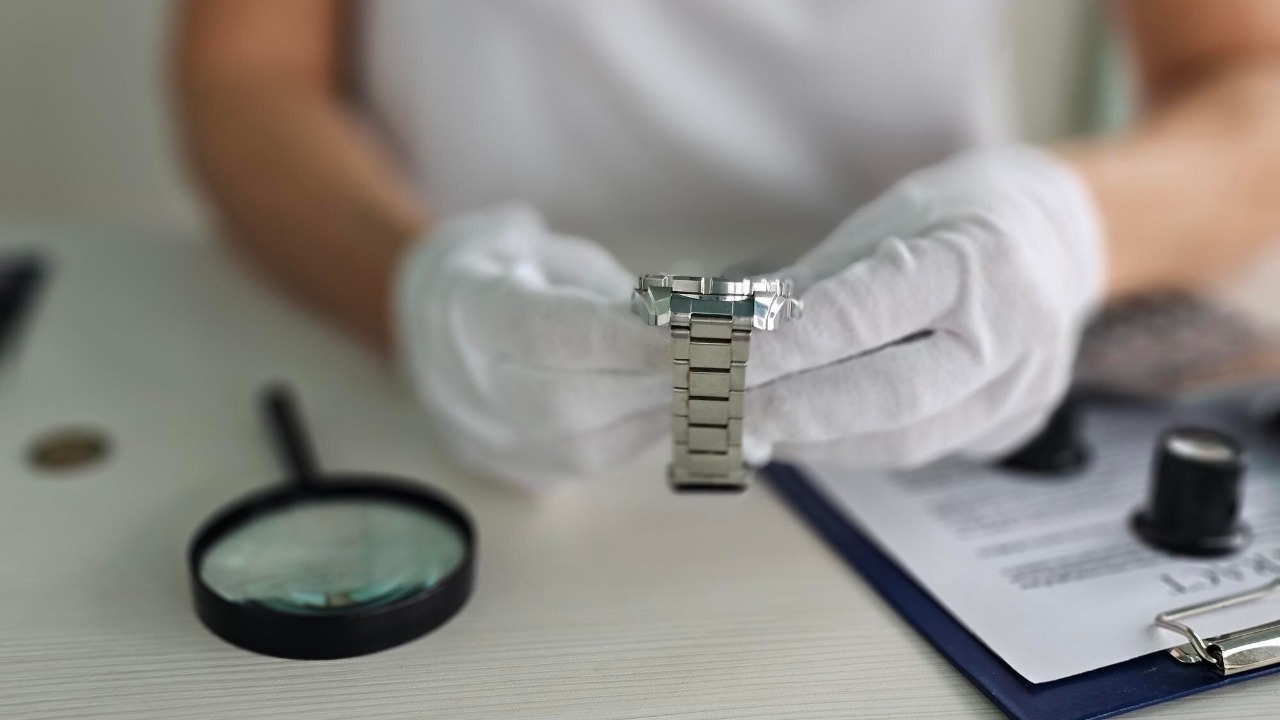
Technology has become an essential tool in spotting reproductions. Devices such as UV lights can reveal hidden markers or inconsistencies in materials, while magnification tools can help identify minute details that aren’t visible to the naked eye. These tools are especially useful in markets where reproductions are prevalent, such as the coin and antique furniture industries.
Expert Consultations
Consulting with experts or appraisers who specialize in authenticating specific types of items can provide peace of mind when making a purchase. These professionals often have years of experience and access to specialized tools and databases, allowing them to make informed assessments about an item’s authenticity. Their expertise can be particularly valuable when dealing with high-value or rare items.
Common Pitfalls and Scams to Avoid

Overpayment Scams
Overpayment scams are a common hazard in the collectibles market. These scams often involve sellers asking for an advance payment or offering items at prices that seem too good to be true, only to disappear once the payment is made. According to financial advice sources, being aware of such red flags and using secure payment methods can help protect against these scams.
Seller Tactics
Sellers of reproductions often employ tactics like misleading descriptions or providing fake certificates to convince buyers of an item’s authenticity. It’s important to approach such deals with a critical eye, questioning any inconsistencies or signs that the seller may be attempting to deceive. Asking for additional documentation or independent verification can also be a useful strategy.
Buyer Protections
There are several buyer protections available that can offer a safety net when purchasing items prone to reproduction. Policies such as return guarantees, fraud prevention measures, and purchase protection from reputable platforms can provide recourse if an item turns out to be a reproduction. Understanding and utilizing these protections can reduce the risk of falling victim to scams.
Staying Informed and Vigilant

Community Engagement
Engaging with collector communities and forums can be an excellent way to stay informed about the latest trends and reproduction tactics. These communities often share firsthand experiences, tips, and warnings about potential scams or unreliable sellers. Platforms like MLive provide valuable insights from collectors and experts alike.
Continual Learning
Staying informed about the latest authentication techniques and market changes is crucial for anyone serious about collecting. Continual learning through online courses, workshops, and seminars can provide the necessary skills to identify reproductions more effectively. This ongoing education is invaluable in a market that is constantly evolving.
Trusting Your Instincts
Finally, trusting your instincts is key when evaluating potential purchases. If a deal seems too good to be true, it probably is. Being cautious and taking the time to thoroughly assess an item before buying can prevent costly mistakes and ensure that your collection remains authentic and valuable.

Cole Whitaker focuses on the fundamentals of money management, helping readers make smarter decisions around income, spending, saving, and long-term financial stability. His writing emphasizes clarity, discipline, and practical systems that work in real life. At The Daily Overview, Cole breaks down personal finance topics into straightforward guidance readers can apply immediately.

