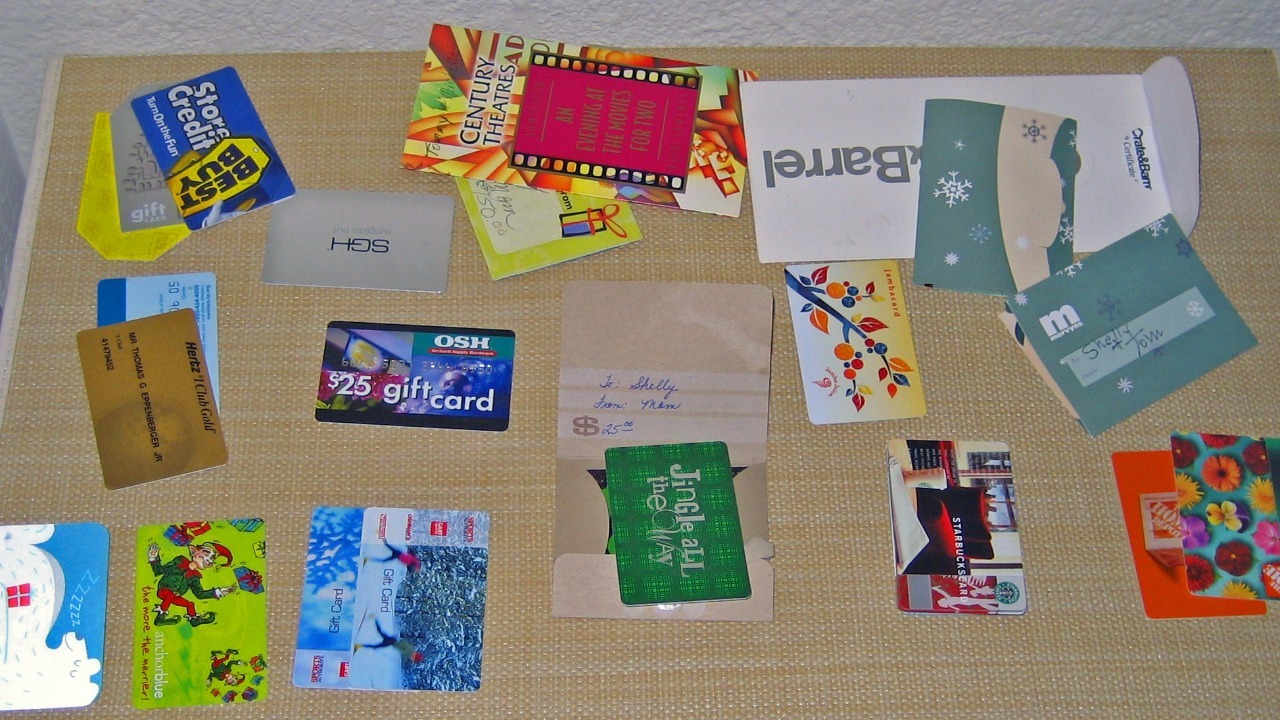
Gift cards look like free money, yet billions of dollars in value quietly vanish every year when they sit unused, expire, or get chipped away by fees. I want to treat those little rectangles like a mini financial plan, not an afterthought, and that means turning every balance into real savings, debt payoff, or cash in your pocket.
With a few disciplined habits, it is possible to capture almost every cent, whether you are spending the card yourself, stacking it with discounts, or selling it for cash. The goal is simple: stop leaving value on the table and start treating gift cards as a tool to stretch your budget as far as it will go.
Understand why gift card value disappears so easily
The first step in squeezing value from gift cards is understanding how easily that value slips away. Industry data on gift card “breakage” shows that unused balances add up to billions of dollars, a loss that companies quietly book as profit when cards are never redeemed or only partially used. Reporting that cites Fox Business highlights how this breakage has become a structural part of the gift card business model, which is exactly why consumers need to be more aggressive about using what they are given.
On top of outright nonuse, smaller frictions chip away at balances. Some cards still carry Inactivity fees or restrictive expiration rules that can erode value if you leave them in a drawer, and even when fees are limited by law, inflation and price hikes quietly reduce what an old card can buy. Guidance on how to Use cards quickly and avoid Inactivity penalties underscores how waiting too long can turn a $50 present into a much smaller real-world benefit.
Treat gift cards like cash, not bonus money
To keep that value from evaporating, I treat every card like a twenty-dollar bill in my wallet, not like a coupon I might or might not use. Consumer advocates explicitly urge people to Treat Gift Cards Like Cash, because if you received the same amount in cash you would almost certainly put it to work right away instead of letting it disappear into a junk drawer. That mental shift alone makes it far more likely you will track balances, store cards safely, and plan purchases around them.
Financial planners also argue that the smartest way to deploy this “cash” is on essentials, not impulse splurges. Suze Orman, for example, frames one of her core strategies as “Use It for Needs, Not Wants,” steering gift card spending toward groceries, household basics, or bills you would have paid anyway. When I follow that logic, a $100 card to a general retailer effectively frees up $100 of my own cash, which I can redirect to savings, debt payments, or a goal that actually moves my finances forward.
Use cards quickly and build a simple tracking system
Speed matters. The longer I hold a card, the more likely I am to misplace it, forget the balance, or run into policy changes that make it harder to redeem. Advice on how to squeeze the last dollar out of cards stresses the importance of using them promptly and being aware of any Inactivity fees or expiration quirks that might apply, especially on older or promotional cards, which is why I prioritize new cards at the top of my spending list and follow the reminder to Use them before trouble starts.
To keep multiple balances straight, I rely on a basic system instead of memory. Some experts suggest dedicated apps or spreadsheets for Tracking Gift Card Balances, noting that Keeping tabs on several cards at once can be surprisingly challenging. I prefer a simple note on my phone listing each retailer and remaining amount, and I store physical cards in the same wallet slot as my debit card so I see them every time I am about to pay.
Stack gift cards with sales, coupons, and rewards
Once I know what I have, the next step is to stretch each dollar as far as possible by combining cards with other discounts. Personal finance writers point out that you can maximize the funds on a card by pairing it with store promotions, clearance events, or loyalty programs, effectively turning a fixed balance into a much larger haul. One guide on Four smart tactics emphasizes that You can stretch a card further by timing purchases around store sales and even re-gifting when necessary, which turns a single gift into multiple layers of value.
Another practical tactic is to Pair cards with coupons or promo codes so you are not paying full price with someone else’s money. A list of Easy Ways to Save Money and Put Your Gift Cards to Good Use recommends that shoppers Pair their card with a coupon or sale, Taking advantage of both to reduce the out-of-pocket cost and preserve the card balance as much as possible. In practice, that might mean waiting for a retailer’s semiannual sale, stacking a loyalty reward, then paying with the gift card so you walk away with more goods than the face value would normally buy.
Turn unwanted cards into cash safely
Not every gift card fits your life, and forcing yourself to shop at a store you never use is a fast way to waste value. When I receive a card for a retailer that does not match my habits, I treat it like an asset to be converted, not a challenge to find something to buy. Consumer advice on wedding presents notes that if you received a card to a store you never visit, gift card exchange sites can become your new BFF, letting you swap or sell it for cold, hard cash instead of letting it languish, a point underscored in guidance that says If you received a gift card to a store you never shop at, you can trade or sell it for cash.
Safety matters when you Sell Your Unwanted Gift Cards, which is why I stick to established platforms and kiosks. One review of how to Sell Your Unwanted Gift Cards highlights options like a Coinstar Exchange Kiosk for people who want to unload cards quickly, while separate guidance on how to safely sell those unwanted cards stresses that the smart and safe way is to use a well-known legitimate exchange such as Giftc, which pays out via direct deposit or another card. I also pay attention to fees and discounts so I know exactly how much cash I am trading my balance for.
Choose the right marketplace or kiosk for maximum payout
Not all resale options are created equal, so I compare marketplaces before I sell. Some platforms specialize in instant payouts, others in higher rates if you are willing to wait, and some focus on business users. A recent rundown of the best sites to sell cards instantly notes that KadePay is positioned as The Best Platform for Busines users who want fast processing, while also flagging options like Paxful for crypto payouts. I weigh those tradeoffs against my own priorities: speed, payout rate, and whether I prefer cash, PayPal, or another card.
Traditional resale sites and kiosks still play a big role too. Coverage of how to sell or swap cards points to CardCash, explaining that Buyers on that platform can purchase both physical and electronic cards and that You can browse by type to find discounts or sell your own. Separate analysis of Gift Card Granny Sell Unwanted Cards For Max Cash explains how that service aggregates offers from multiple exchanges so a Gift card holder can compare payouts and processing delays in one place. I use those tools to benchmark any offer before I accept it.
Time your spending to seasonal deals and real needs
Even when I plan to use a card myself, timing can significantly change how much value I extract. Some analysts argue that using cards during major promotional windows, such as holiday sales or back-to-school events, can unlock the highest value from the card because retailers stack deeper discounts and bonus rewards. One guide on Understanding Unused Gift cards explicitly recommends Using Gift Cards During Seasonal promotions to get the highest value from the card, which is why I often hold a general retail card for a few weeks if a big sale is clearly on the horizon.
At the same time, I do not let the pursuit of a perfect deal override basic financial priorities. Another analysis of how to maximize card value warns that the longer you hold onto a card, the more you risk misplacing it or forgetting to use it, and it notes that some shoppers effectively double their savings by combining cards with store discounts instead of chasing marginally better timing. That perspective, reflected in guidance from Sep, pushes me to balance patience with practicality: I aim for a solid sale, not a mythical perfect one, and I always prioritize using the card on genuine needs rather than impulse buys.
Protect cards from loss, fraud, and tiny leftover balances
Even the best strategy falls apart if a card is lost, stolen, or drained by fraud. Security experts advise treating cards like cash by storing them securely, recording card numbers and customer service contacts, and registering them online when possible. One set of tips on making the most of cards notes that One way to fight back against loss or fraud is to Check the balance periodically before you use the card, since Some providers allow you to register cards so they can be replaced in cases of loss, theft, or fraud. I make a habit of checking balances online before big purchases so I can spot anything suspicious early.
Then there is the problem of tiny leftover balances that never quite get used. Some estimates suggest that about 10 percent of card value goes unredeemed, often because people do not bother to spend the last few dollars. A practical guide on People who love giving cards, especially Americans, notes that There are about 10% of gift card balances that never get used and highlights how credit card exchange sites online can help convert those remnants into something useful. I try to avoid that waste by using small balances on digital purchases, app store credits, or in-store add-ons like toiletries or pantry staples.
Build a personal playbook so no card goes to waste
After years of watching cards expire in friends’ wallets, I have settled on a simple playbook that keeps almost every cent working. First, I log new cards immediately, then decide whether to spend, stack, or sell based on my budget and the retailer. Advice on how to keep cards from going to waste reinforces that people who act quickly and treat cards as part of their financial plan, not as random windfalls, are far less likely to lose value, a point captured in the reminder that Here is what happens when you Treat Gift Cards Like Cash and use them sooner rather than later.
Second, I match each card to a specific purpose: groceries, a planned clothing purchase, a household upgrade, or a direct conversion to cash through a marketplace. Broader surveys of card habits show that People love giving gift cards during special occasions and holiday seasons, especially Americans, which means a steady stream of plastic is likely to keep arriving. By combining the seasonal strategies from Let and the resale and stacking tactics from You and similar guides, I can turn that stream into a reliable source of savings instead of a pile of forgotten plastic.
More From TheDailyOverview
- Tennessee loses $2.6B megafactory and faces major layoffs
- Retired But Want To Work? Try These 18 Jobs for Seniors That Pay Weekly
- What to do with your pennies after the U.S. stops minting them
- Home Depot CEO warns of a troubling customer trend in stores

Cole Whitaker focuses on the fundamentals of money management, helping readers make smarter decisions around income, spending, saving, and long-term financial stability. His writing emphasizes clarity, discipline, and practical systems that work in real life. At The Daily Overview, Cole breaks down personal finance topics into straightforward guidance readers can apply immediately.
