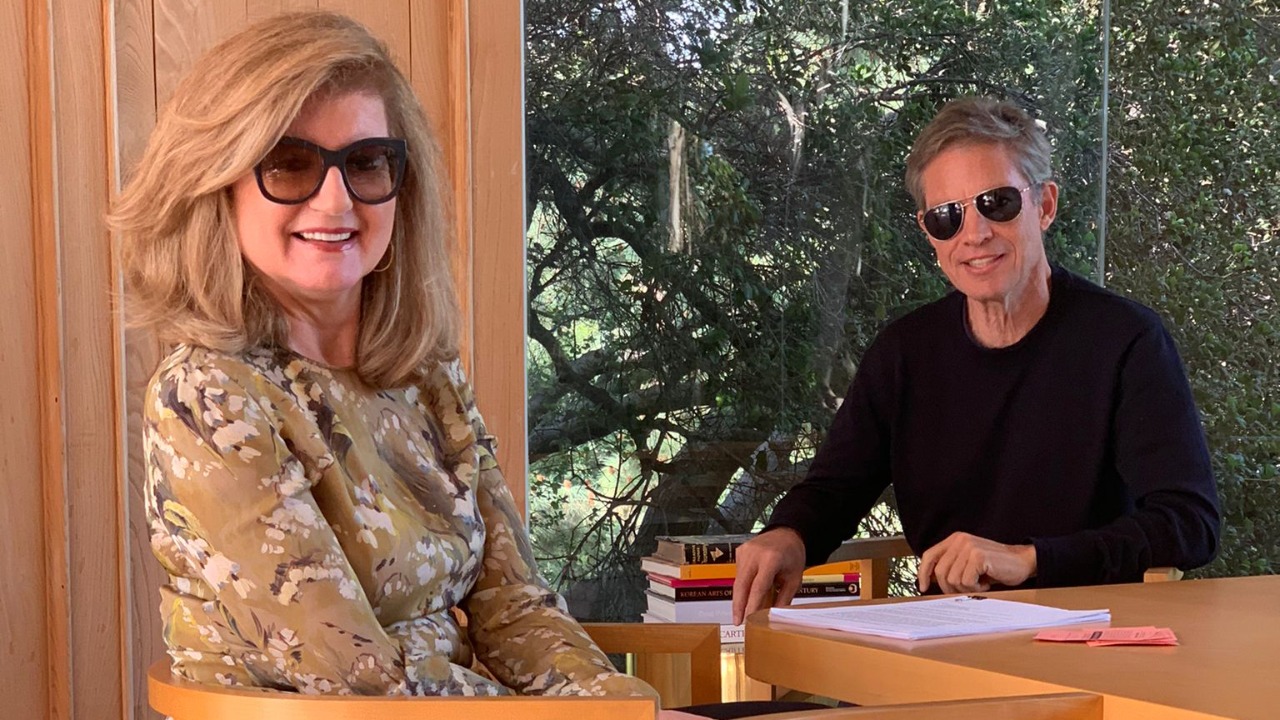
Top founders often lead incredibly busy lives, making it crucial for them to design their “off” days with intention and purpose. These days are not just about disconnecting from work but are strategically planned to recharge and maintain their creative edge. By examining the habits of successful entrepreneurs, we can uncover how they balance relaxation and productivity during their downtime.
The Importance of Intentional Downtime
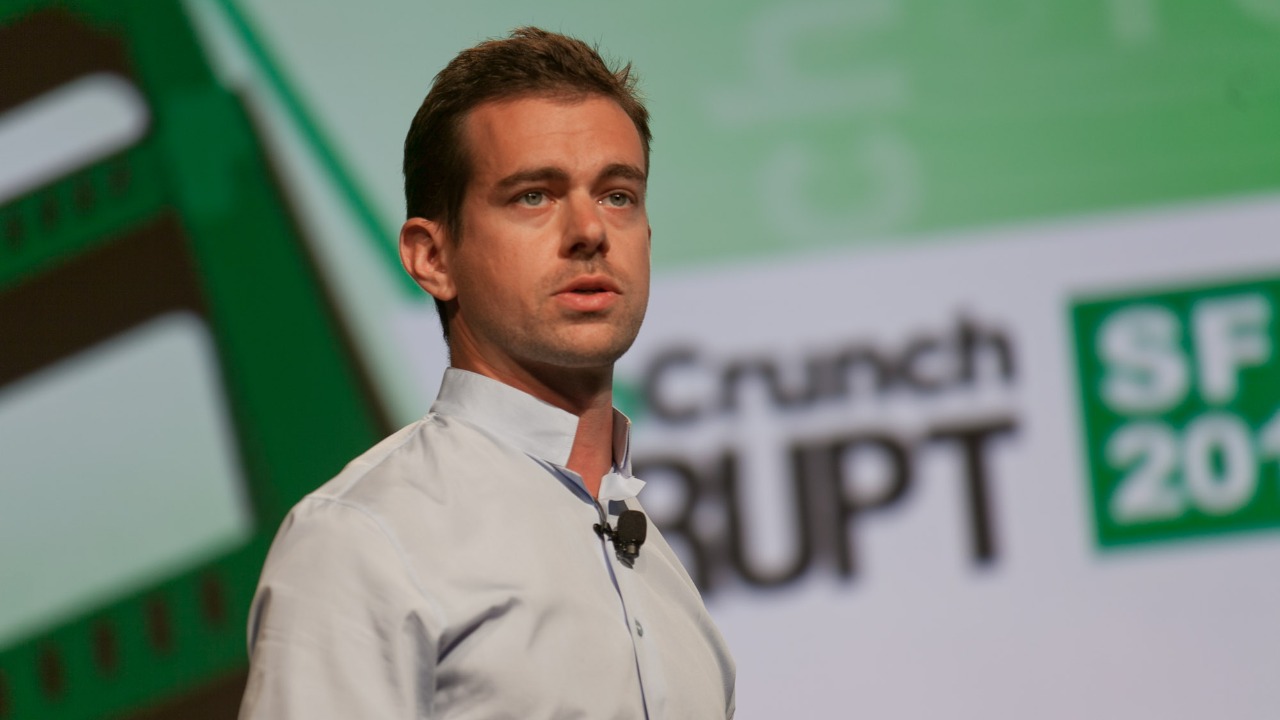
Balancing work and rest is a fundamental principle understood by successful entrepreneurs. Arianna Huffington, co-founder of The Huffington Post, emphasizes the significance of taking time off to prevent burnout. She often highlights the importance of sleep and has even written a book about it. By acknowledging the need for breaks, founders like Huffington can maintain a high level of productivity and creativity in the long run.
Mental and physical rejuvenation are also critical components of intentional downtime. Jack Dorsey, co-founder of Twitter and Square, is known for his rigorous wellness routine, which includes daily meditation and exercise. These activities are not just about relaxation but also about fostering mental clarity and physical health. By prioritizing well-being, founders can ensure they are in top form to tackle their professional responsibilities.
Creativity and innovation often flourish when the mind has the freedom to wander. Taking a step back from the daily grind allows for fresh perspectives and new ideas to emerge. Founders like Bill Gates famously take “Think Weeks,” where they disconnect from their regular duties to focus on reading and reflection. Such practices underscore the importance of downtime in cultivating innovative solutions and breakthroughs.
Crafting the Perfect Off Day
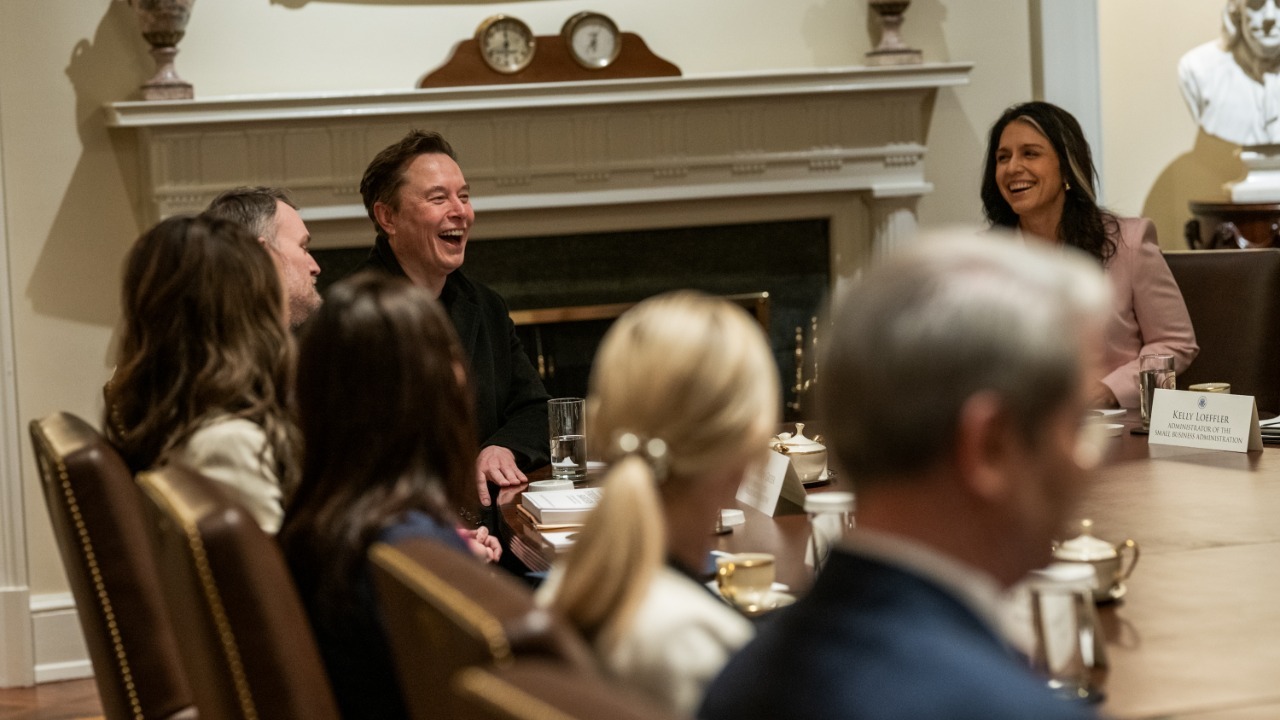
Successful founders understand the value of personalized routines on their days off. For example, Elon Musk, the visionary behind Tesla and SpaceX, is known for his highly structured workweek. However, on his off days, he tailors his schedule to include activities that bring him joy and relaxation, such as spending time with his children or exploring his passion for video games. By customizing their downtime, founders can ensure they are recharging in ways that suit their unique needs.
The balance between leisure and learning is another hallmark of a well-crafted off day. Many entrepreneurs, like Oprah Winfrey, blend relaxation with personal growth by engaging in activities such as reading, attending workshops, or participating in cultural experiences. This approach enriches their lives and provides new insights that can be applied to their work.
Flexibility versus structure is a key consideration when designing an off day. Some founders prefer a structured plan, while others thrive on spontaneity. For instance, Jeff Bezos, founder of Amazon, often speaks about the importance of having unstructured time to think and explore new ideas. By finding the right balance between these approaches, founders can create off days that are both restorative and inspiring.
Mindfulness and Reflection
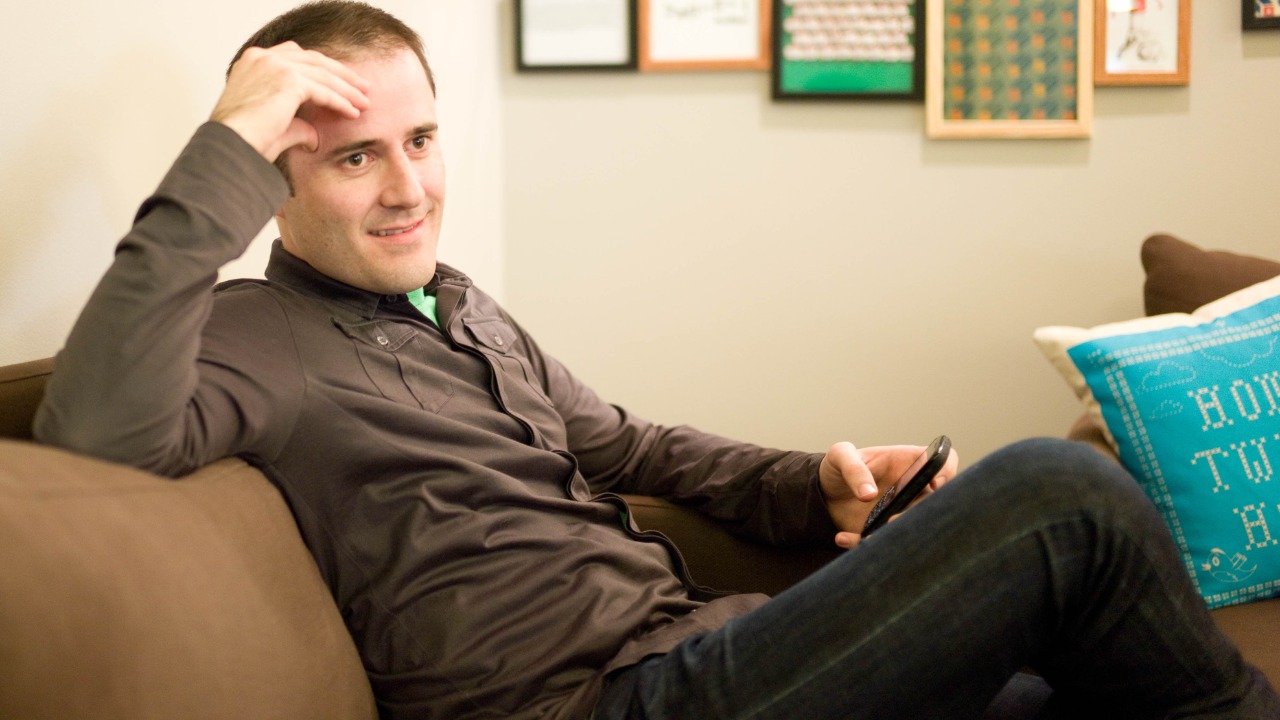
Practicing mindfulness is a common strategy among top founders to stay grounded and focused. Meditation, in particular, has gained popularity in recent years. Evan Williams, co-founder of Twitter and Medium, credits his mindfulness practice with helping him manage stress and maintain clarity in decision-making. By incorporating mindfulness into their routines, founders can enhance their mental well-being and resilience.
Reflective practices are also integral to intentional downtime. Founders often use their off days to assess their progress, set new goals, and reflect on their personal and professional journeys. This process of reflection allows them to stay aligned with their values and aspirations, ensuring continuous growth and development.
Disconnecting from technology is another crucial aspect of mindfulness and reflection. In today’s digital age, it’s easy to become overwhelmed by constant connectivity. Founders like Sheryl Sandberg, COO of Facebook, emphasize the importance of taking breaks from digital devices to fully engage with the present moment. By stepping away from screens, founders can cultivate mental clarity and focus on what truly matters.
Building Meaningful Connections

Quality time with family and friends is a priority for many top founders. Richard Branson, founder of the Virgin Group, often shares how spending time with loved ones is essential for his happiness and well-being. By nurturing these relationships, founders can find emotional support and fulfillment outside of their work.
Networking in relaxed settings can also provide valuable opportunities for professional growth. Informal gatherings or events allow founders to build connections in a low-pressure environment. For instance, many Silicon Valley entrepreneurs participate in social clubs or interest-based groups where they can network while engaging in leisure activities.
Community involvement and giving back are meaningful ways for founders to connect with others and contribute to society. Philanthropic activities not only provide personal fulfillment but also enhance social responsibility. Founders like Marc Benioff, CEO of Salesforce, are known for their commitment to philanthropy and actively engage in initiatives that create positive change in the world.
Cultivating Hobbies and Passions

Exploring creative outlets is a powerful way for founders to unwind and tap into their creativity. For example, Sergey Brin, co-founder of Google, has a passion for flying trapeze, which he uses as a creative escape from his demanding work life. Engaging in hobbies allows founders to refresh their minds and develop new perspectives that can be applied to their businesses.
Physical activities and sports are also popular among founders looking to enhance their well-being. Mark Cuban, owner of the Dallas Mavericks and a successful entrepreneur, is an avid basketball fan and often plays the sport to stay active. Physical pursuits not only boost energy levels but also improve mood and mental health.
Lifelong learning and curiosity are essential traits in maintaining a growth mindset. Founders like Warren Buffett, known for his voracious reading habit, continually seek new knowledge and skills. By cultivating curiosity, founders can stay ahead of industry trends and find inspiration even on their days off.

Grant Mercer covers market dynamics, business trends, and the economic forces driving growth across industries. His analysis connects macro movements with real-world implications for investors, entrepreneurs, and professionals. Through his work at The Daily Overview, Grant helps readers understand how markets function and where opportunities may emerge.