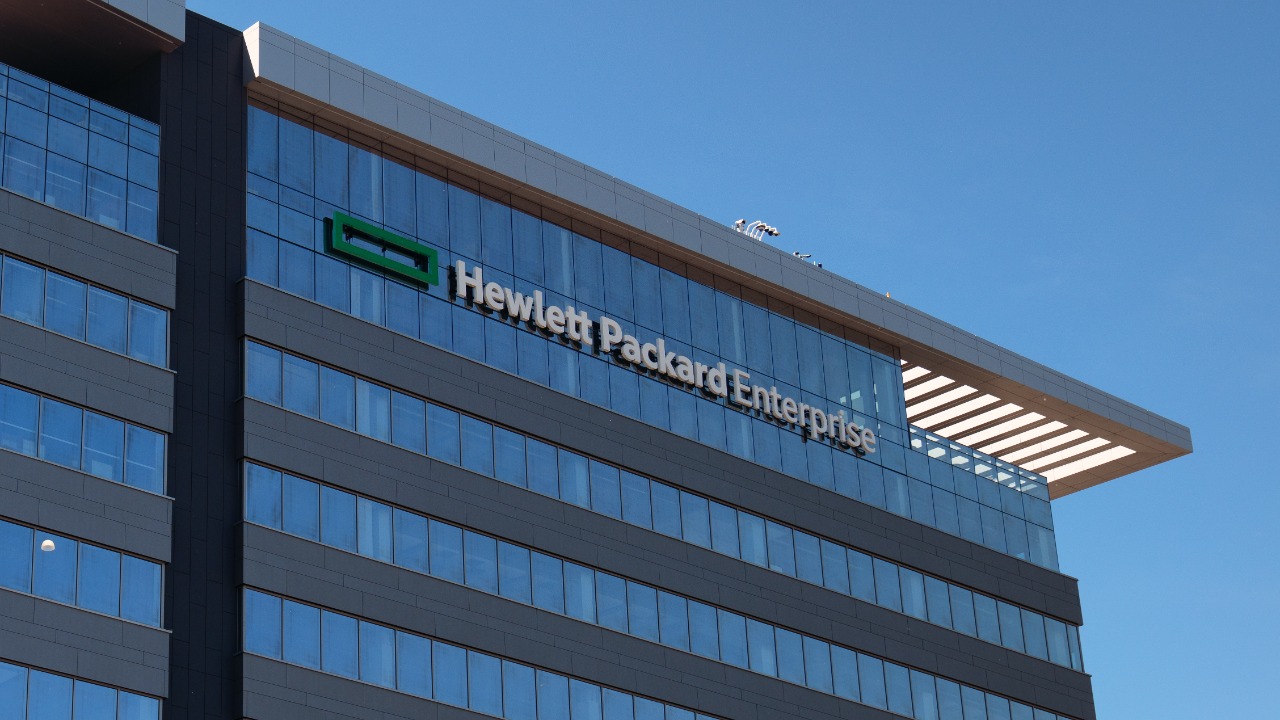
HP is preparing to cut as many as 6,000 jobs while it pours more money and management attention into artificial intelligence, a shift that underlines how brutally the PC era is giving way to an AI-centric one. I see the move as both a cost-cutting exercise and a bet that the company’s future depends less on selling commodity laptops and more on building AI-ready systems, services, and infrastructure.
The layoffs will unfold over several years, touching roughly 10 percent of HP’s global workforce, and they arrive just as the company is pitching investors on higher-margin AI offerings. That timing is not accidental: HP is trying to convince Wall Street that painful restructuring today will fund the tools and platforms it needs to compete in a market increasingly defined by generative AI, accelerated computing, and data-heavy workloads.
HP’s restructuring plan and the 6,000-job cut
HP’s plan to eliminate up to 6,000 roles is part of a broader restructuring program designed to shrink costs while the company retools for AI-heavy demand. Management has framed the cuts as a multi‑year process, not a sudden shock, signaling that the company expects a prolonged transition rather than a quick reset. By targeting roughly a tenth of its staff, HP is acknowledging that its existing structure, built around traditional PCs and printers, no longer fits the revenue mix it expects in the second half of the decade, a shift that is consistent with its recent restructuring disclosures in company filings.
I read the scale and pacing of the layoffs as a sign that HP is trying to balance investor pressure for leaner operations with the operational risk of losing too much institutional knowledge at once. The company has already outlined cost‑saving goals in the hundreds of millions of dollars, and the workforce reduction is a central lever in that plan, alongside consolidating facilities and simplifying its product portfolio, as reflected in its recent investor presentations. The fact that HP is spreading the cuts over several fiscal years suggests it wants room to adjust if AI‑related revenue ramps faster or slower than expected, rather than locking itself into a single, aggressive downsizing timeline.
Why HP is pivoting so hard into AI
HP’s aggressive AI pivot is rooted in a simple reality: the traditional PC market is mature, cyclical, and increasingly low margin, while AI workloads demand more powerful hardware, specialized software, and ongoing services. I see the company trying to reposition itself from a seller of boxes to a provider of AI‑optimized systems that can handle training, inference, and data‑intensive applications in both corporate data centers and the cloud. That strategy aligns with HP’s recent emphasis on “future ready” computing and AI‑capable devices in its product announcements, where it has highlighted new workstations and laptops tuned for local AI processing.
The pivot is not just about hardware, though. HP has been talking up AI‑driven services, from device management that uses machine learning to predict failures, to security tools that analyze behavior patterns rather than relying only on signatures, themes that appear in its latest services roadmap. By tying AI to recurring revenue streams like managed services and software subscriptions, HP is chasing a more stable, higher‑margin business than the boom‑and‑bust cycles of consumer PC sales. The layoffs, in that context, look like a way to free up capital and headcount for AI engineers, data scientists, and product managers who can build those offerings, even as legacy roles in slower‑growth segments are trimmed.
Where the cuts will likely fall and who is most exposed
Although HP has not publicly itemized every department that will be affected, the structure of its business makes some areas more vulnerable than others. Segments tied to low‑growth, low‑margin hardware, such as commodity consumer PCs and certain printer lines, are natural candidates for consolidation as the company shifts resources toward AI‑ready workstations, hybrid cloud solutions, and enterprise services. HP’s own segment reporting in its quarterly results shows where revenue has been under pressure, and those weaker units are typically where large manufacturers look first when they need to cut costs at scale.
On the flip side, I expect HP to protect and even expand teams that are central to its AI ambitions, including engineers working on high‑performance computing, firmware and drivers optimized for AI accelerators, and software groups building management and security tools. The company has already highlighted investments in AI‑capable “commercial systems” and collaboration with chipmakers in its recent workstation portfolio, which implies that product and R&D staff in those areas are more likely to see hiring than layoffs. Support functions that can be automated or centralized, such as certain back‑office roles, are more exposed, especially as HP leans on its own AI tools to streamline internal workflows.
What the AI bet means for HP’s products and customers
For customers, HP’s AI push will show up first in the kinds of devices and services it brings to market. I expect more laptops and desktops marketed as “AI PCs,” with dedicated neural processing units, optimized firmware, and preloaded software for tasks like local transcription, image generation, and code assistance, trends that already appear in HP’s latest laptop lineup. On the enterprise side, HP is likely to emphasize workstations and servers tuned for AI development and deployment, bundling them with consulting and managed services that help companies stand up models without building everything from scratch.
There is also a subtler shift underway in how HP positions its long‑standing strengths. Printing, for example, is not going away, but AI gives HP a way to reframe it as part of a broader workflow story, with tools that can classify documents, extract data, and route information automatically, as hinted in its printing solutions. For IT departments, HP’s AI‑driven device management and security offerings promise more predictive maintenance and faster incident response, which could make the company stickier inside large organizations. The risk, of course, is that if HP over‑rotates toward AI branding without delivering clear, reliable benefits, customers may see the pivot as marketing spin rather than meaningful innovation.
How HP’s move fits into the wider tech and labor landscape
HP’s decision to cut thousands of jobs while investing heavily in AI mirrors a broader pattern across the tech industry, where companies are trimming headcount in legacy areas even as they hire aggressively for AI‑specific roles. Large cloud providers, chipmakers, and software firms have all announced restructuring programs that pair layoffs with new AI initiatives, a trend documented across recent industry coverage. HP is effectively acknowledging that the skills and structures that powered its growth in the PC boom are not the same ones it needs in a world where value is shifting to AI models, data pipelines, and integrated platforms.
For workers, that reality is stark. Roles tied to traditional hardware sales, manual support, or repetitive back‑office tasks are increasingly at risk, while demand is rising for people who can design AI‑optimized systems, manage data, and integrate machine learning into business processes. HP’s restructuring, as described in its strategic updates, is one more signal that employees in tech and adjacent industries need to track where their skills sit on that spectrum. I see the company’s AI pivot not as an isolated event but as part of a long, uneven shift in which automation and intelligent systems reshape both what products companies sell and what kinds of work they still need humans to do.
More From TheDailyOverview
- Dave Ramsey says these two simple questions show whether you’re rich or poor
- Retired But Want To Work? Try These 18 Jobs for Seniors That Pay Weekly
- IRS raises capital gains thresholds for 2026 and what’s new
- 12 ways to make $5,000 fast that actually work

Grant Mercer covers market dynamics, business trends, and the economic forces driving growth across industries. His analysis connects macro movements with real-world implications for investors, entrepreneurs, and professionals. Through his work at The Daily Overview, Grant helps readers understand how markets function and where opportunities may emerge.

