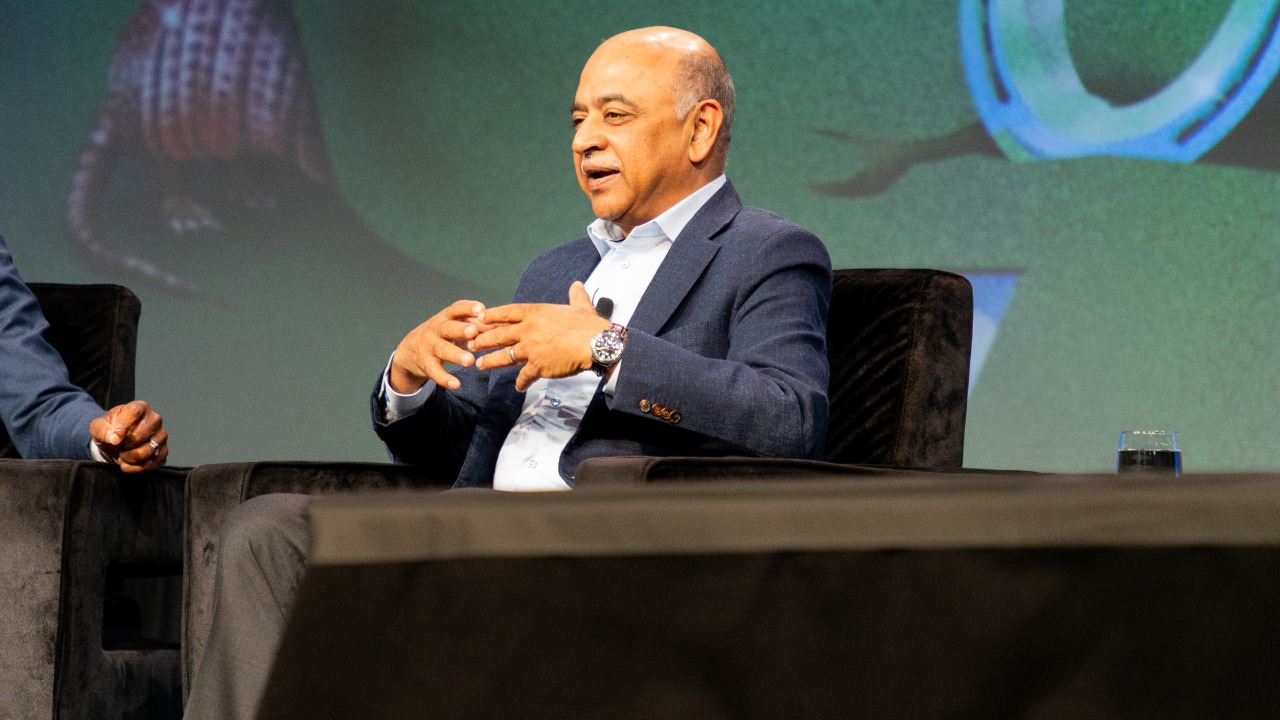
IBM CEO Arvind Krishna recently countered JPMorgan Chase CEO Jamie Dimon’s criticism of using phones during meetings, describing the idea of banning technology as “weird.” Krishna’s comments highlight the evolving norms in workplace etiquette, suggesting that restricting technology feels out of touch in today’s tech-driven era. This exchange underscores a divide among business leaders regarding modern meeting practices as of November 4, 2025.
Jamie Dimon’s Stance on Meeting Distractions
Jamie Dimon, the CEO of JPMorgan Chase, has been vocal about his belief that texting or using phones during meetings is disrespectful. He has consistently expressed disdain for such behaviors, viewing them as a breach of professional etiquette. Dimon argues that the presence of devices in meetings detracts from focus and presence, which he considers essential for productive discussions. His stance is rooted in a broader philosophy on productivity, emphasizing the importance of undivided attention in professional settings. Dimon’s approach reflects his leadership style at JPMorgan Chase, where he advocates for maintaining a high level of concentration and engagement during meetings.
Dimon has provided specific examples of how device use can disrupt the flow of meetings. He believes that when participants are distracted by their phones, it diminishes the quality of interaction and collaboration. This perspective aligns with his broader efforts to foster a culture of focus and efficiency within JPMorgan Chase. By discouraging the use of devices, Dimon aims to ensure that meetings remain productive and that participants are fully engaged with the topics at hand. His traditional approach to meeting etiquette reflects a desire to uphold certain standards of professionalism in an increasingly digital world.
Arvind Krishna’s Counterargument
In direct contrast to Dimon’s views, IBM CEO Arvind Krishna has openly disagreed with the notion of banning technology in meetings. He stated, “Telling people they can’t use their technology would be weird,” highlighting his belief that technology integration enhances, rather than hinders, efficiency. Krishna’s perspective is informed by his role at IBM, a company at the forefront of technological innovation. He argues that in a tech-driven world, leveraging devices can facilitate better communication and access to information, ultimately leading to more effective meetings.
Krishna’s remarks, made on November 4, 2025, signal a shift in how tech leaders view device policies compared to traditional finance views. He believes that integrating technology into meetings can streamline processes and improve outcomes. By embracing the use of devices, Krishna suggests that companies can adapt to the changing expectations of a modern workforce. His stance reflects a broader trend among tech leaders who see technology as a tool for enhancing productivity and collaboration, rather than a distraction.
Implications for Corporate Culture
The disagreement between Dimon and Krishna reflects changing norms in corporate culture, particularly in hybrid work environments that have emerged post-pandemic. Krishna’s stance promotes the idea that technology should be embraced as a tool for enhancing productivity and collaboration. This perspective aligns with the expectations of a younger workforce that is accustomed to multitasking and using technology in various aspects of their lives. By allowing the use of devices in meetings, companies can create a more inclusive environment that caters to the needs of tech-savvy employees.
On the other hand, Dimon’s traditional approach may resonate with stakeholders who value focus and undivided attention. However, banning devices could potentially alienate younger workers who see technology as an integral part of their professional lives. The contrast between Dimon’s and Krishna’s views highlights the tensions that can arise in multinational firms like JPMorgan Chase and IBM, where diverse perspectives on technology and productivity coexist. As companies navigate these differing viewpoints, they must consider how their policies impact employee engagement and satisfaction.
Broader Debate on Tech in Professional Settings
The debate over technology use in professional settings extends beyond the views of Dimon and Krishna. Many companies are adopting flexible device policies, recognizing the benefits of real-time information access and enhanced communication. Krishna’s comments illustrate a pro-tech trend that is gaining traction in various industries. By allowing employees to use devices during meetings, companies can foster a more dynamic and responsive work environment.
However, the risks associated with device use, such as reduced collaboration from distractions, cannot be ignored. Dimon raises valid concerns about the potential for technology to detract from meaningful interactions. As companies weigh the pros and cons of device policies, they must consider the specific needs and dynamics of their workforce. The public exchange between Dimon and Krishna may influence future guidelines across industries, as organizations strive to balance the benefits of technology with the need for focus and engagement.
More From TheDailyOverview
- Dave Ramsey warns to stop 401(k) contributions
- 11 night jobs you can do from home (not exciting but steady)
- Small U.S. cities ready to boom next
- 19 things boomers should never sell no matter what

Grant Mercer covers market dynamics, business trends, and the economic forces driving growth across industries. His analysis connects macro movements with real-world implications for investors, entrepreneurs, and professionals. Through his work at The Daily Overview, Grant helps readers understand how markets function and where opportunities may emerge.

