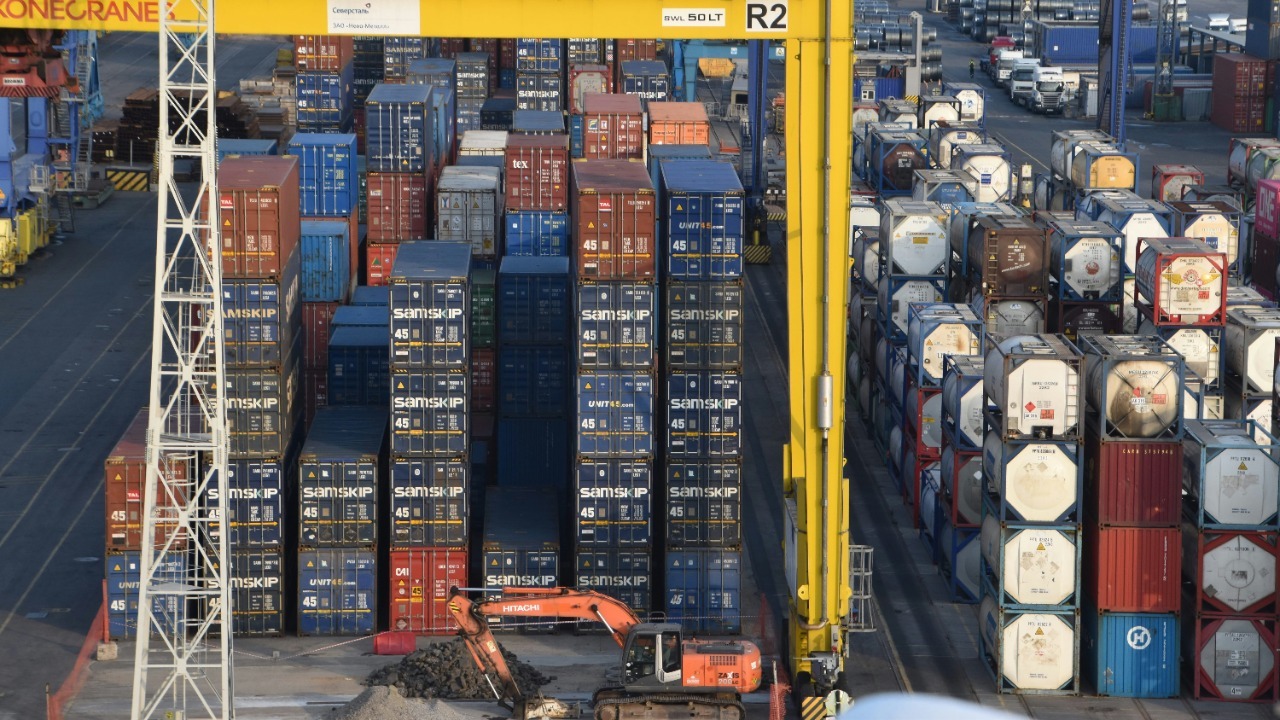
The recent policy shift eliminating tariff exemptions for imports valued under $800 has stirred significant discussion among businesses and consumers. This change, primarily impacting imports from countries like China, aims to address trade imbalances and support domestic industries. However, it also raises concerns about potential cost increases for consumers and challenges for small businesses relying on affordable international goods.
The Policy Change
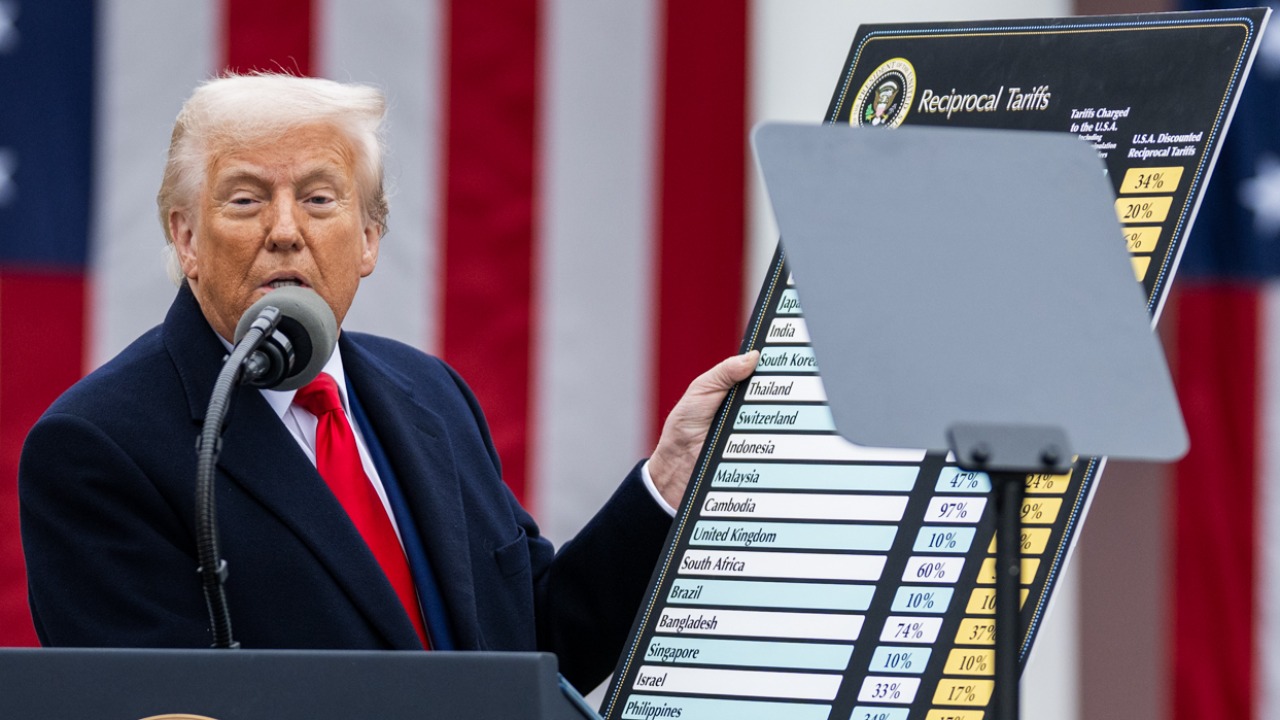
Under Section 321 of the U.S. Tariff Act, imports valued at less than $800 were previously exempt from tariffs, allowing businesses and consumers to benefit from duty-free low-value goods. This policy provided a significant advantage to e-commerce platforms and small retailers who relied on inexpensive products from abroad. However, the elimination of this exemption marks a significant shift in trade policy, with the potential to alter international trade dynamics.
The new policy aims to close the de minimis loophole, which has been criticized for allowing substantial imports to bypass tariffs, particularly from countries with which the U.S. has ongoing trade tensions, such as China. The administration’s rationale is rooted in economic and strategic motivations, seeking to encourage domestic production and address the trade imbalances exacerbated by the previous policy. This change is expected to impact import patterns significantly, with potentially broader implications for global trade.
Economic Impacts

The removal of the tariff exemption is likely to lead to increased consumer prices as businesses adjust to the new cost structures. Products that were once imported duty-free could see price hikes, affecting everything from electronics to apparel. For small businesses that depend on affordable international imports to maintain competitive pricing, this change poses a significant challenge. These businesses may face increased operational costs, forcing them to either absorb the extra expenses or pass them on to consumers.
Beyond individual businesses, the broader economic implications could include shifts in import patterns and supply chain disruptions. As tariffs make low-cost imports less viable, companies might seek alternative sourcing strategies or explore domestic manufacturing, potentially reshaping the economic landscape. This shift could foster innovation and investment in local industries, though it may also result in short-term adjustments and challenges for businesses adapting to the new tariff landscape.
Geopolitical Considerations
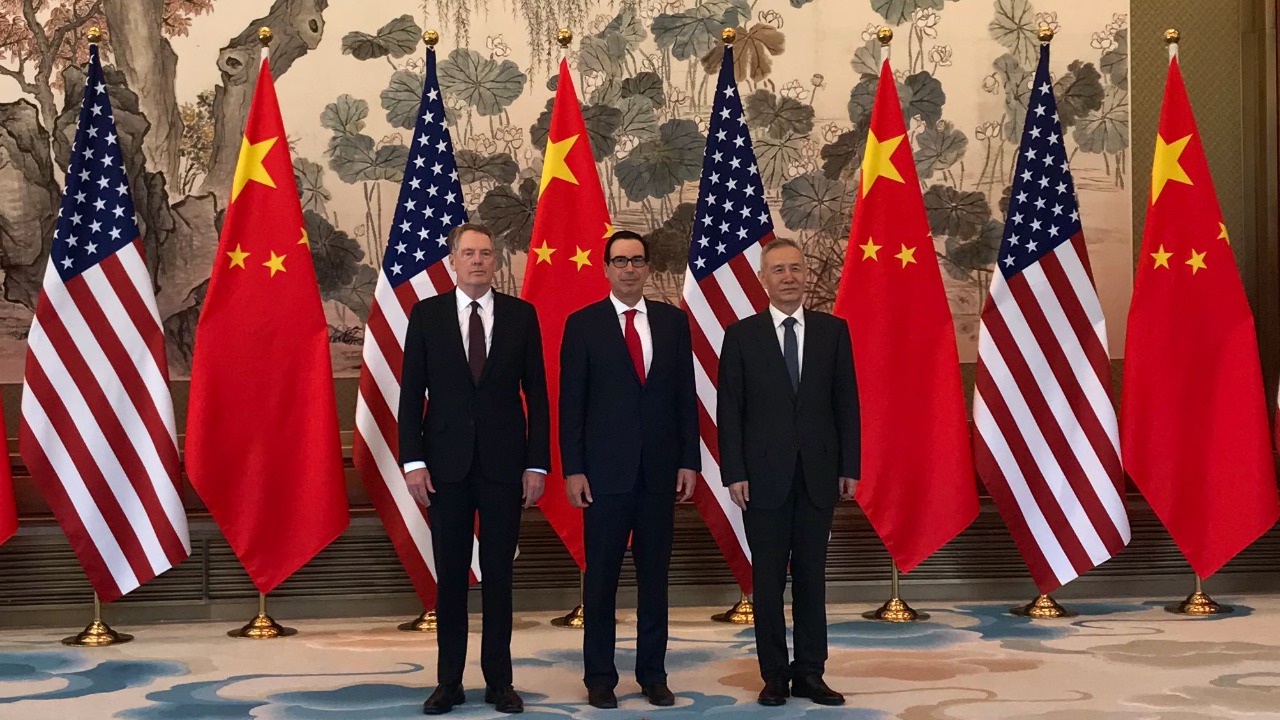
The policy change is also a significant move in the ongoing U.S.-China trade relations. The two nations have been embroiled in tariff disputes for several years, with each imposing tariffs on a range of goods. The latest policy is part of a larger strategy to reduce reliance on Chinese imports, aiming to encourage domestic production and strengthen the U.S. economy. However, this could further strain relations, potentially leading to retaliatory measures from China and other affected countries.
International reactions to the policy change have been mixed, with some nations viewing it as a protectionist measure that could disrupt global trade. The policy fits into a broader strategy of economic nationalism, as countries worldwide reevaluate their trade policies in light of shifting global dynamics. As the U.S. moves to reduce reliance on Chinese imports, the policy change could prompt other countries to reconsider their trade strategies and alliances.
Responses from Stakeholders

The new tariff policy has elicited varied responses from different stakeholders. Business associations and industry groups have expressed concerns about the challenges posed by the elimination of the tariff exemption. Many businesses, particularly those in the e-commerce sector, have relied on the de minimis provision to offer competitive pricing and expand their product offerings. The removal of this exemption threatens to disrupt their business models and could lead to significant operational challenges.
Consumers are also likely to feel the impact, with many anticipating price hikes on goods previously imported duty-free. The availability of alternatives in the domestic market will be crucial in determining how consumers respond to these changes. Government and policy experts have weighed in, emphasizing the long-term benefits of reducing trade imbalances and fostering domestic production. However, they also acknowledge the short-term challenges that the policy may present, particularly for small businesses and consumers.
Future Outlook
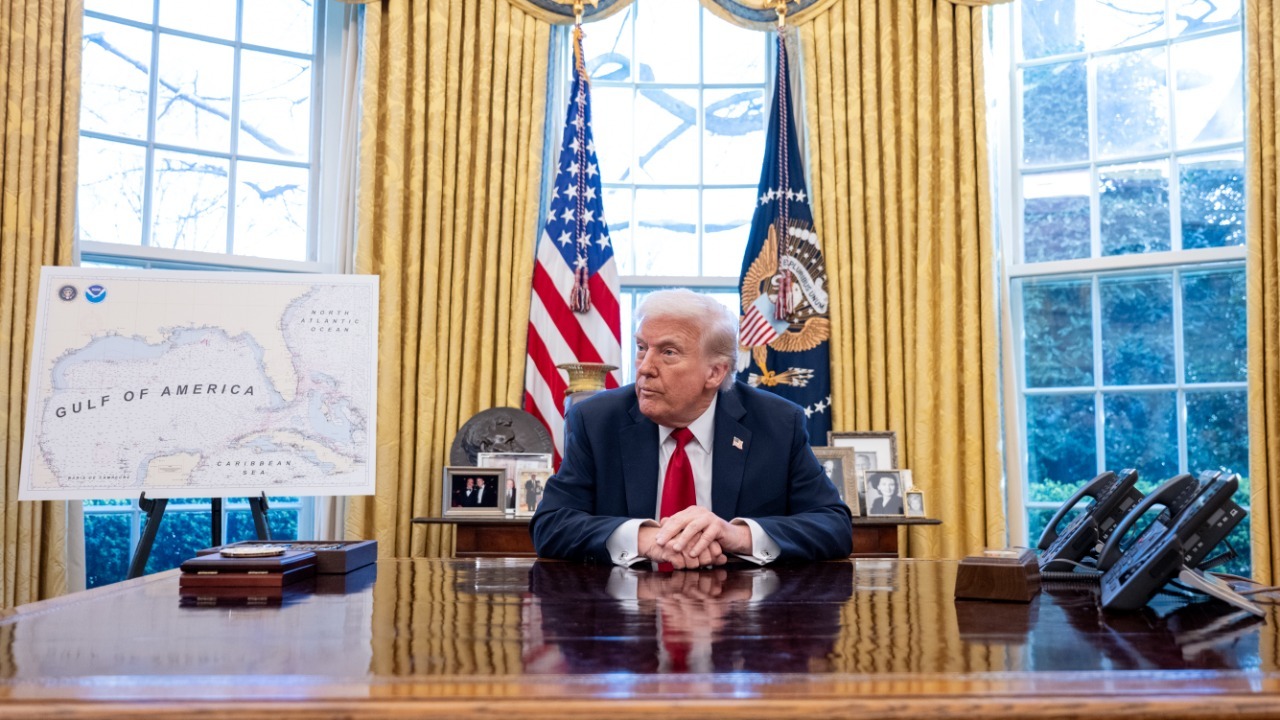
As political administrations and economic conditions evolve, the policy could undergo further modifications. The future of the tariff change will likely depend on the U.S.’s broader trade strategy and its negotiations with key trading partners. Potential developments in trade agreements or negotiations could influence the continuation or modification of this policy, shaping the landscape of international trade.
Businesses are already exploring strategies to adapt to the new tariff environment. Sourcing diversification and innovation in supply chain management are likely to become increasingly important as companies seek to mitigate the impact of the tariff changes. As businesses and consumers navigate the evolving trade landscape, the policy’s long-term effects will become clearer, revealing new opportunities and challenges in the global economy.

Julian Harrow specializes in taxation, IRS rules, and compliance strategy. His work helps readers navigate complex tax codes, deadlines, and reporting requirements while identifying opportunities for efficiency and risk reduction. At The Daily Overview, Julian breaks down tax-related topics with precision and clarity, making a traditionally dense subject easier to understand.

