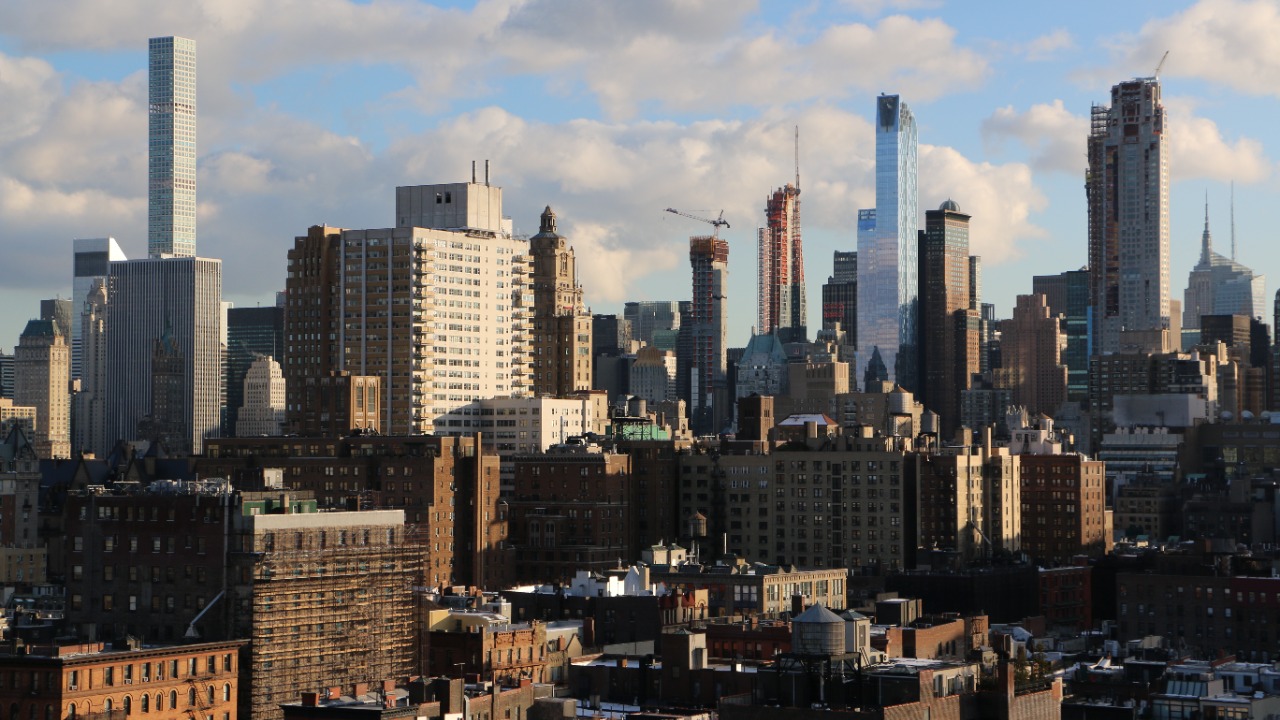
Billionaires‘ Row, a stretch of ultra-luxury residential towers along New York’s 57th Street, has become synonymous with opulence and exclusivity. These super-tall, super-skinny “pencil towers” cater to the world’s wealthiest individuals, offering sky-high prices and unparalleled amenities. Since the mid-2010s, developments like One57 and 432 Park Avenue have not only transformed Manhattan’s skyline but have also sparked debates about their architectural and social impacts. As of November 2025, these towers continue to represent the pinnacle of elite residential living, building on earlier critiques and analyses of their extravagant designs.
The Origins of Billionaires’ Row
The transformation of 57th Street into the epicenter of elite residential towers began with zoning changes that allowed for the construction of super-tall buildings. This shift in urban planning paved the way for the rise of pencil towers, characterized by their extreme height, slenderness, and cost. A 2019 overview described these structures as the epitome of New York’s super-rich enclaves, highlighting their appeal to global billionaires.
The term “Billionaires’ Row” emerged in the 2010s as high-profile projects began to dominate the area. These developments set a new standard for luxury living, attracting wealthy individuals from around the world. The combination of innovative architecture and exclusive amenities established 57th Street as a symbol of uber elite living, drawing both admiration and criticism for its impact on the city’s landscape and social fabric.
Iconic Towers Defining the Skyline
One57, completed in 2014, stands as a pioneering example of the supertall skyscrapers that define Billionaires’ Row. At 1,005 feet, its curved glass facade offers breathtaking views of Central Park, setting a new benchmark for luxury residential design. This tower was among the first to capture the attention of the global elite, cementing its place in New York’s architectural history.
Another iconic structure, 432 Park Avenue, was completed in 2015 and quickly became known for its minimalist design and staggering height of 1,396 feet. It boasts the city’s highest residential floors, with some units selling for over $100 million. The building’s sleek profile and luxurious interiors have made it a coveted address for those seeking the ultimate in privacy and prestige.
More recently, 111 West 57th Street, which topped out in 2021, has been marketed as the most luxurious pencil tower globally. Its slender design, measuring just 24 inches wide per side, exemplifies the architectural innovation that defines Billionaires’ Row. This tower’s exclusivity and opulence continue to attract the world’s wealthiest individuals, reinforcing the area’s reputation as a hub for the super-rich.
The Allure for New York’s Super-Rich
The appeal of Billionaires’ Row lies in its unparalleled amenities and exclusivity. Residents enjoy features such as private elevators, infinity pools, and 360-degree views of the city. Penthouses in these towers are priced from $50 million to over $200 million, reflecting the high demand among billionaires for such prestigious addresses.
The resident profiles of these towers include hedge fund moguls and international tycoons who value the privacy and status that come with living in such exclusive environments. A 2025 report highlights how these towers represent the pinnacle of uber elite residential options, catering to a growing concentration of global wealth.
Criticisms and Cultural Reflections
Despite their allure, pencil towers have faced criticism for their architectural and social implications. Debates have arisen over their stability and aesthetics, with some arguing that these structures prioritize height over community integration. Since their rise in 2019, these towers have been scrutinized for their impact on the city’s skyline and social dynamics.
The 2024 book “Billionaires’ Row” offers a collection of “tall tales” that examine the social and economic divides exacerbated by these developments. The book critiques the phenomenon as a reflection of broader societal issues, highlighting the growing gap between the ultra-wealthy and average residents. This critique underscores the ongoing debate about the role of such luxury developments in urban environments.
The impact of Billionaires’ Row on New York City’s housing market is another point of contention. The presence of superexpensive units has been linked to affordability issues for average residents, as the demand for luxury housing drives up prices across the board. This dynamic has sparked discussions about the need for more inclusive urban planning that addresses the needs of all city dwellers.
As Billionaires’ Row continues to evolve, it remains a focal point for discussions about wealth concentration and urban development. The towers that define this area are not just architectural marvels but also symbols of the complex interplay between luxury, exclusivity, and social responsibility in modern cities. By examining these structures and their implications, we gain insight into the broader trends shaping urban landscapes and the lives of those who inhabit them.
More From TheDailyOverview
- Dave Ramsey says these two simple questions show whether you’re rich or poor
- Retired But Want To Work? Try These 18 Jobs for Seniors That Pay Weekly
- IRS raises capital gains thresholds for 2026 and what’s new
- 12 ways to make $5,000 fast that actually work

Elias Broderick specializes in residential and commercial real estate, with a focus on market cycles, property fundamentals, and investment strategy. His writing translates complex housing and development trends into clear insights for both new and experienced investors. At The Daily Overview, Elias explores how real estate fits into long-term wealth planning.

