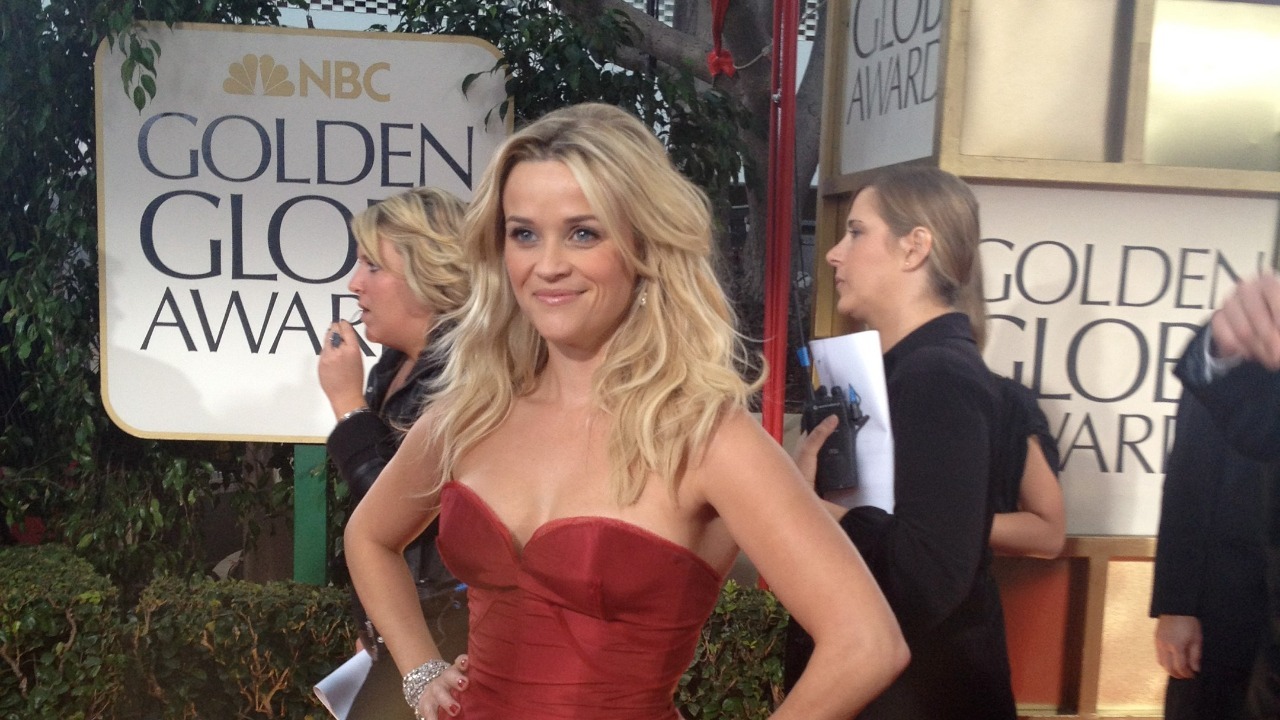
Reese Witherspoon’s wealth is not just the product of a long Hollywood career, it is the result of a deliberate shift from actor to owner that has turned her name into a powerful media asset. Her fortune now reflects a portfolio that spans production, licensing, and brand partnerships, revealing how a once typecast star quietly became one of entertainment’s most influential business figures.
By tracing how she moved from studio paychecks to equity stakes and strategic exits, I can show how her net worth has been reshaped by a handful of pivotal deals rather than any single blockbuster role. The picture that emerges is less about celebrity excess and more about a calculated bet on storytelling, intellectual property, and the value of women-led content in a changing streaming economy.
From rom-com star to strategic business operator
Reese Witherspoon’s financial story starts in familiar Hollywood territory, with breakout roles that turned her into a bankable romantic comedy lead and, eventually, an Oscar-winning actor. What sets her apart is how early she recognized the ceiling on even the most successful acting career and began shifting her energy toward owning the stories she helped bring to life. Instead of relying solely on eight-figure salaries, she started building structures that would let her participate in the upside of the projects she championed.
That pivot became visible when she moved from starring in studio vehicles to actively developing and producing projects through her own companies, a path that laid the groundwork for the later sale of her media venture at a valuation reported in the hundreds of millions of dollars, according to deal coverage. The evolution from performer to producer and then to founder is what transformed her from a high-earning actor into a figure whose wealth is tied to equity, catalog value, and long-term licensing rather than just box office bonuses.
The acting paychecks that built her first fortune
Before she ever negotiated a company sale, Witherspoon’s on-screen work generated the capital and leverage that made her later deals possible. She moved from early acclaim in films like “Election” to mainstream hits such as “Legally Blonde” and “Sweet Home Alabama,” which turned her into a reliable draw for studios and helped justify premium paydays. That trajectory culminated in her Academy Award for “Walk the Line,” a milestone that typically pushes an actor into a higher salary tier and opens the door to profit participation on select projects.
Television supercharged that earning power. Reporting on her streaming work notes that she secured significant per-episode fees for series like “Big Little Lies” and “The Morning Show,” with some accounts placing her compensation in the seven-figure range per episode for the latter, according to industry salary breakdowns. Those checks, layered on top of back-end deals and long-running syndication for her earlier films, formed the financial base that allowed her to invest in development, hire executives, and weather the long timelines that come with building a production company from scratch.
Hello Sunshine and the power of owning the story
The real inflection point in Witherspoon’s wealth came when she stopped just starring in prestige projects and started owning the pipeline that created them. She co-founded Hello Sunshine as a media company focused on female-driven stories, positioning it not only as a production outfit but as a curator of books, podcasts, and formats that could travel across platforms. By controlling the underlying intellectual property, she shifted from being a cost on someone else’s balance sheet to being a rights holder whose catalog could be valued and sold.
That strategy paid off when Hello Sunshine attracted outside investment and then a major sale. Coverage of the transaction reports that a company backed by private equity firm Blackstone agreed to acquire a majority stake in Hello Sunshine at a valuation of about 900 million dollars, with Witherspoon and her partners retaining significant equity, according to deal reporting. Instead of a one-time paycheck, she effectively converted years of development work into a large liquidity event while still keeping a seat at the table, a structure that helps explain why her net worth surged far beyond what even a long run of hit films could deliver.
The 900 million dollar valuation and what she actually took home
Headlines around the Hello Sunshine sale often fixated on the nearly 1 billion dollar valuation, but that figure can obscure what Witherspoon personally realized from the deal. A company valued at 900 million dollars does not mean its founder walks away with that full amount, especially when investors, co-founders, and employees also hold stakes. The more telling detail is how much equity she sold and how much she rolled into the new entity, which determines both her immediate windfall and her ongoing exposure to future upside.
Reporting on the transaction indicates that Witherspoon sold a portion of her ownership while retaining a stake and a leadership role, with the buyer acquiring a majority interest rather than the entire company, according to sale analyses. That structure suggests she likely realized a substantial nine-figure payout while still keeping meaningful equity in the combined venture, a setup that aligns with how founder-led media companies are often recapitalized. The nuance matters because it explains why estimates of her net worth jumped sharply after the sale but still fall well below the headline valuation of Hello Sunshine itself.
How book clubs, IP scouting, and streaming deals became profit engines
Witherspoon’s media wealth is not just about one big sale, it is about the ecosystem she built around finding and nurturing stories before they become screen hits. Her book club, which highlights titles with strong female protagonists, has become a powerful discovery engine that can turn a novel into a hot piece of intellectual property. By championing books early, she positions Hello Sunshine to secure adaptation rights and package projects for film and television, effectively turning reading lists into a pipeline of potential franchises.
Several of her most prominent projects originated from this model, where a book selection later evolved into a streaming or premium cable series produced by Hello Sunshine, according to adaptation rundowns. Those deals often involve multi-year arrangements with platforms that are hungry for recognizable brands and built-in audiences, giving her company leverage to negotiate favorable terms. The result is a virtuous cycle in which each successful adaptation boosts the value of the book club brand, which in turn makes future IP acquisitions and partnerships more attractive and potentially more lucrative.
Endorsements, fashion, and lifestyle brands as secondary income streams
While Hello Sunshine has become the centerpiece of Witherspoon’s business identity, she has also built a parallel stream of income through endorsements and consumer brands. She has fronted campaigns for major companies, lending her image to products ranging from beauty to technology, which typically come with multimillion-dollar contracts and sometimes equity components. These deals may not rival a company sale in scale, but they provide steady cash flow and keep her profile high with the audiences that advertisers want to reach.
Her lifestyle label Draper James illustrates how she has tried to translate her persona into a tangible business, selling clothing and home goods inspired by Southern style. Coverage of the brand notes that it has gone through expansions and strategic partnerships, including collaborations with retailers that broaden its distribution, according to brand investment reports. While Draper James has not been valued on the same level as Hello Sunshine, it adds another asset to her portfolio and underscores her approach of turning personal taste and identity into ownable, monetizable ventures rather than one-off licensing arrangements.
What the estimates say about Reese Witherspoon’s net worth
Public estimates of Witherspoon’s net worth vary, but they consistently place her among the wealthiest working actors in Hollywood, a status driven largely by the Hello Sunshine transaction layered on top of decades of acting income. Some assessments, published after the sale, have pegged her fortune in the hundreds of millions of dollars, citing the combination of her equity payout, ongoing stake in the media company, and residual earnings from film and television, according to net worth analyses. These figures are estimates rather than audited disclosures, but they reflect a consensus that her wealth now rivals that of top studio executives rather than typical performers.
The range in those estimates highlights how opaque celebrity finances can be, especially when private company valuations and undisclosed ownership percentages are involved. Analysts must infer her stake based on deal structures and industry norms, which means any single number should be treated as directional rather than precise. Even with that caveat, the shift is clear: before Hello Sunshine, her wealth was substantial but largely tied to past salaries and residuals, while after the sale, she joined the small group of entertainers whose fortunes are anchored in equity events and ongoing participation in large-scale media ventures.
How her fortune compares with other Hollywood power players
To understand the scale of Witherspoon’s wealth, it helps to compare her trajectory with other actors who have crossed into ownership. Figures like George Clooney, who sold his stake in Casamigos tequila, or Jessica Alba, who built The Honest Company, show how a single well-timed business exit can eclipse years of on-screen earnings. Witherspoon’s Hello Sunshine deal fits that pattern, placing her in a cohort of entertainers whose biggest paydays come from selling companies rather than starring in films.
Industry reporting often groups her alongside producer-actors who have leveraged their clout into production empires, such as Tyler Perry and Adam Sandler, though their specific business models differ, according to income rankings. What distinguishes Witherspoon is the focus on female-led storytelling and the way she has turned a curated taste profile into a scalable IP engine. In financial terms, her net worth may not yet match the very top tier of moguls who own studios or vast real estate portfolios, but it clearly exceeds that of most peers who rely primarily on acting fees, underscoring how transformative a single, well-structured media deal can be.
Why her wealth matters for the future of women-led media
Witherspoon’s fortune is not just a personal milestone, it is a signal to the broader industry about the commercial value of stories centered on women. By proving that a company built around female audiences and creators can command a 900 million dollar valuation, she has given investors a concrete example that challenges old assumptions about what kinds of content scale. That success can make it easier for other women-led production companies to raise capital, negotiate better terms, and retain ownership of their work.
Her continued role in the post-sale version of Hello Sunshine also matters, because it keeps a high-profile woman in a position of influence over which projects get greenlit and how they are marketed, according to leadership coverage. The more her wealth is tied to the long-term performance of that slate, the stronger the incentive to keep pushing for stories that resonate with the audiences who made the company valuable in the first place. In that sense, her surprising fortune is not just the byproduct of savvy dealmaking, it is a test case for whether equity ownership can help shift power toward the people who have historically been underrepresented in the rooms where entertainment’s biggest financial decisions are made.
More From TheDailyOverview

Cole Whitaker focuses on the fundamentals of money management, helping readers make smarter decisions around income, spending, saving, and long-term financial stability. His writing emphasizes clarity, discipline, and practical systems that work in real life. At The Daily Overview, Cole breaks down personal finance topics into straightforward guidance readers can apply immediately.
