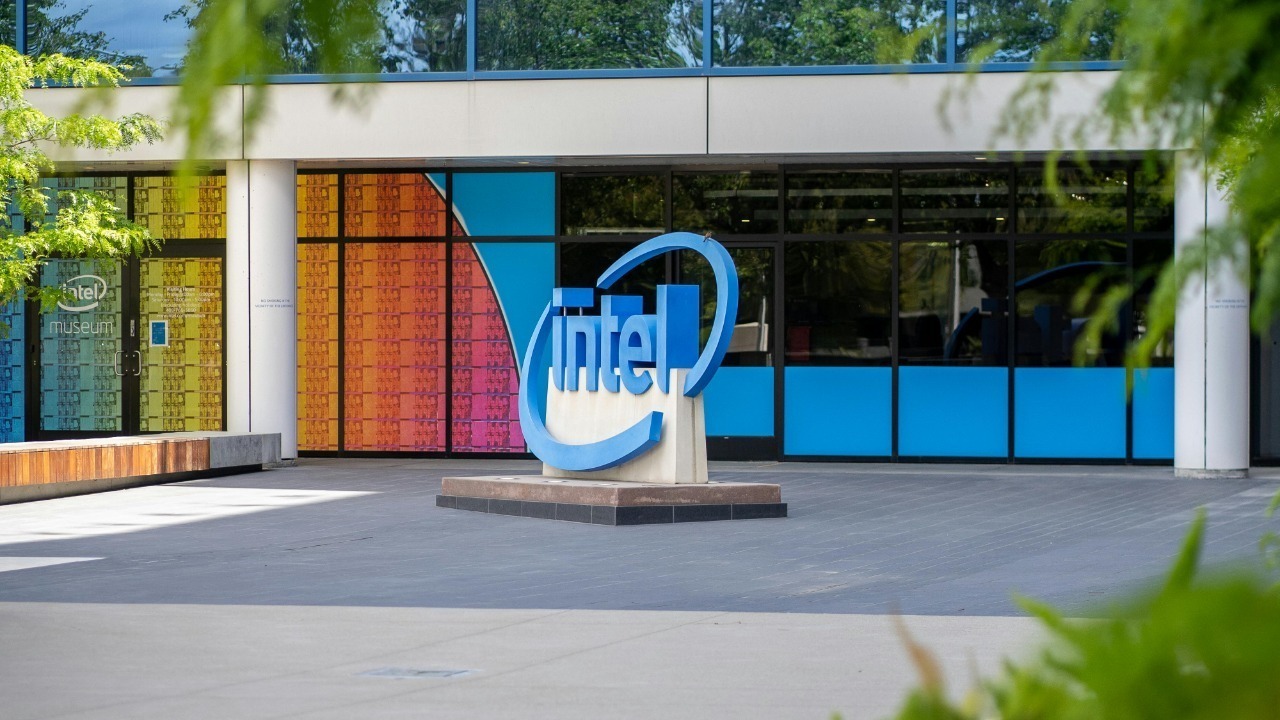
Intel’s dramatic decline reached a new low when the company announced plans to cut 15,000 jobs, approximately 15% of its global workforce. This move is part of a strategy to slash costs by $10 billion amid fierce competition in the AI chip market from rivals like Nvidia and AMD. CEO Pat Gelsinger described the restructuring as essential to refocus on core strengths, but it underscores deeper troubles for America’s once-dominant semiconductor empire based in Santa Clara, California.
Intel’s Financial Freefall
Intel’s financial woes have been starkly highlighted by a $1.6 billion net loss in its latest quarter, contributing to the company’s aggressive $10 billion cost-cutting target. The announcement sent shockwaves through the market, with Intel’s stock plummeting 26% in a single day. This dramatic drop wiped out billions in market value and underscored significant delays in Intel’s AI chip launches, a critical area where the company has been struggling to keep pace with competitors.
The company’s foundry business has also been a significant drain, with losses reaching $7 billion last year. This underscores Intel’s ongoing struggles to compete in advanced manufacturing against industry leader TSMC. The financial setbacks have raised questions about Intel’s ability to maintain its position in the semiconductor industry, particularly as it faces mounting pressure to innovate and deliver competitive AI solutions.
The AI Chip Battlefield
Nvidia’s dominance in the AI GPU market has been a major challenge for Intel, capturing over 80% of the data center market. Intel’s offerings, such as the Gaudi 3, have struggled to gain traction. CEO Pat Gelsinger has acknowledged the need to accelerate Intel’s AI product roadmaps to catch up with competitors. However, delays in the development of 18A process technology have hampered these efforts, leaving Intel at a disadvantage in the rapidly evolving AI landscape.
Despite partnerships with major players like Microsoft for AI accelerators, Intel’s success in this area has been limited. The company’s revenue from AI chips was just $500 million last quarter, a stark contrast to Nvidia’s tens of billions. This disparity highlights the challenges Intel faces in establishing itself as a leader in the AI chip market, where innovation and speed are crucial to success.
Workforce Devastation and Human Impact
The decision to lay off 15,000 employees will have a profound impact on Intel’s workforce, affecting operations across the US, Europe, and Asia. Notifications began immediately, with significant job losses expected in Oregon and Arizona, where major Intel fabs are located. The cuts will affect R&D and sales teams, as the company suspends dividend payments to preserve cash.
For many employees, the news has been a shock. One anonymous Intel engineer expressed the sentiment of many, stating, “We’ve been fighting for years, but AI shifted the ground under us overnight.” The layoffs not only affect individual livelihoods but also signal a broader shift in Intel’s strategic priorities as it grapples with the challenges of the AI revolution.
Strategic Shifts and Future Outlook
In response to its current challenges, Intel plans to invest $20 billion in new US fabs under the CHIPS Act, aiming to bring advanced manufacturing back to American soil. Despite setbacks in Ohio and Arizona facilities, this investment is part of a broader strategy to regain competitiveness in the semiconductor industry. CEO Pat Gelsinger has outlined a three-year plan to achieve $10 billion in savings, which includes reducing management layers and outsourcing non-core functions.
Analysts predict that Intel could lose further ground to AMD in the CPU market while scrambling to establish relevance in AI. This potential shift could have significant implications for America’s chip supply chain, as Intel’s struggles may open the door for competitors to gain a stronger foothold. The company’s future will depend on its ability to navigate these challenges and adapt to the rapidly changing technological landscape.
More From TheDailyOverview
- Dave Ramsey says these two simple questions show whether you’re rich or poor
- Retired But Want To Work? Try These 18 Jobs for Seniors That Pay Weekly
- IRS raises capital gains thresholds for 2026 and what’s new
- 12 ways to make $5,000 fast that actually work

Grant Mercer covers market dynamics, business trends, and the economic forces driving growth across industries. His analysis connects macro movements with real-world implications for investors, entrepreneurs, and professionals. Through his work at The Daily Overview, Grant helps readers understand how markets function and where opportunities may emerge.

