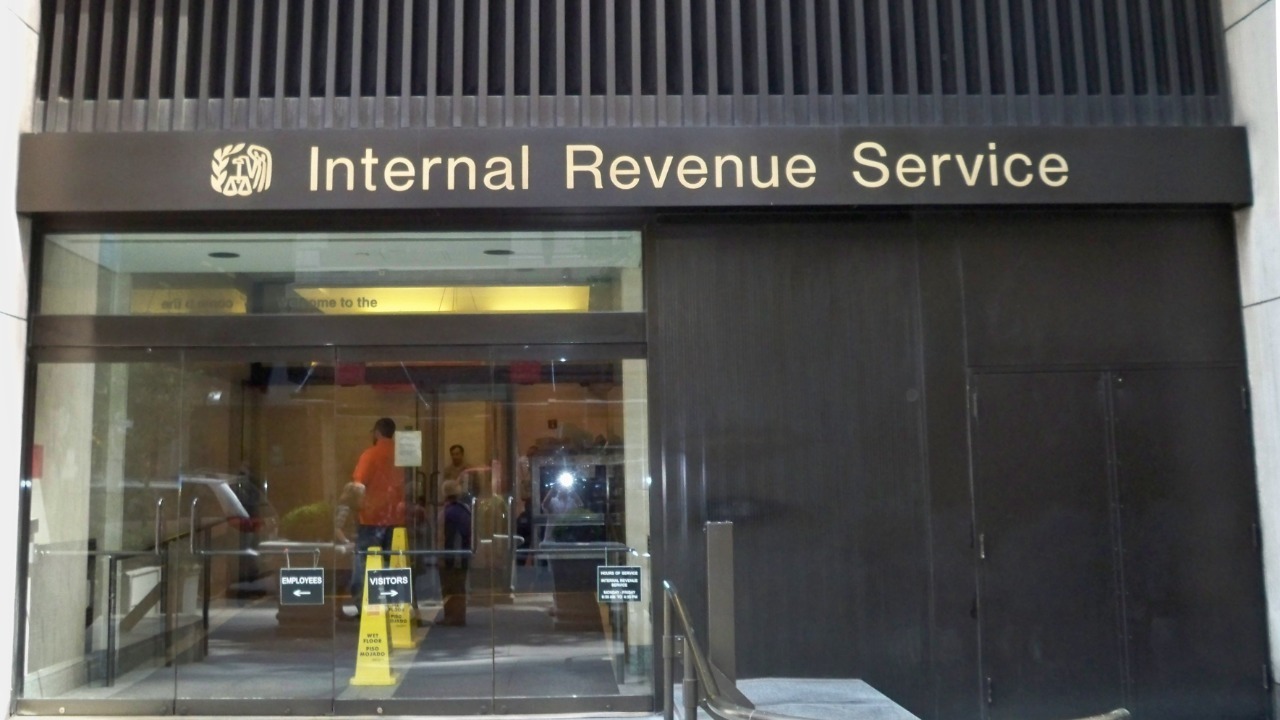
The Internal Revenue Service is lifting the standard mileage allowance for 2026 to 72.5 cents per mile, a small but meaningful bump that will ripple through expense reports, tax returns, and payroll systems across the country. The move builds on a sharp increase for 2025 and reflects the agency’s ongoing effort to keep pace with fuel, maintenance, and insurance costs for drivers who use their own cars for work. For employees, self‑employed workers, and employers, the new rate is both a tax benchmark and a practical signal about what “fair” reimbursement looks like in the year ahead.
What the 72.5¢ rate actually covers
The 72.5 cents per mile figure is meant to approximate the full cost of operating a vehicle for business, not just the gas in the tank. When The Internal Revenue Service sets its Standard Mileage Rates, it is looking at a bundle of expenses that includes fuel, depreciation, repairs, tires, insurance, registration fees, and even the opportunity cost of tying up capital in a car instead of something else. The idea is that a single per‑mile number can stand in for a complex spreadsheet of line items, so a salesperson driving a 2022 Toyota Camry or a contractor in a 2018 Ford F‑150 can both use the same benchmark without running their own cost study.
That is why the agency periodically reviews cost data before it Publishes updated Standard Mileage Rates from its headquarters in Washington, adjusting the cents‑per‑mile figure when operating costs move meaningfully up or down. The 72.5 cent rate for 2026 continues this pattern, following the same methodology that produced earlier schedules of business, medical, and charitable mileage allowances and keeping the focus on a realistic estimate of what it takes to keep a personal vehicle on the road for work.
How the IRS sets Standard Mileage Rates
Behind the simple 72.5 cent headline is a technical process that The Internal Revenue Service has refined over years of practice. The agency looks at national data on fuel prices, vehicle purchase trends, average lifespans, and maintenance costs, then converts those inputs into a per‑mile estimate that can be applied broadly. Instead of requiring every taxpayer to track actual gas receipts, oil changes, and depreciation schedules, the IRS offers the standard rate as a safe harbor that is easy to apply and defensible in an audit as long as the mileage itself is properly documented.
When the IRS Publishes its Standard Mileage Rates, it typically releases a table that distinguishes between business driving, medical or moving travel, and charitable use, each with its own cents‑per‑mile figure. The 72.5 cent business rate for 2026 sits alongside a separate medical and moving rate and a charitable rate that remains 14 cents per mile, reflecting different statutory and policy constraints on those categories, as detailed in the agency’s Standard Mileage Rates announcement.
From 70¢ in 2025 to 72.5¢ in 2026
The jump to 72.5 cents in 2026 comes on the heels of a notable increase for 2025, when the business mileage allowance moved to 70 cents per mile. That earlier adjustment signaled that The Internal Revenue Service saw a sustained rise in the cost of operating a vehicle, not just a temporary fuel spike. By stepping up again for 2026, the agency is effectively acknowledging that those higher costs have not fully reversed and that drivers are still absorbing elevated expenses for everything from tires to insurance premiums.
The 70 cent figure for 2025 was itself a meaningful change, as highlighted when The Internal Revenue Service announced that IRS Mileage Increases To 70 Cents Per Mile In 2025, framing it as a response to higher reimbursement needs for workers who use their own cars for business. The new 72.5 cent rate builds directly on that baseline, so anyone who recalibrated their budgets or reimbursement policies around the 70 cent level now needs to adjust again for 2026, as reflected in the agency’s broader pattern of Mileage Increases To keep pace with costs.
Why the mileage rate matters for workers and businesses
For employees who drive their own vehicles on the job, the standard mileage rate is more than a line on a tax form, it is a reference point in conversations with their employers. Many companies peg their reimbursement policies to the IRS figure, either matching it exactly or using it as a starting point for a custom rate. When the allowance rises to 72.5 cents, workers who log significant miles, such as field technicians, home health nurses, or regional sales reps, can point to that benchmark when asking whether their current reimbursement still covers their real costs.
On the employer side, the rate helps finance and HR teams design programs that are both competitive and compliant. The IRS mileage rate, sometimes referred to as the federal mileage rate, is widely used as a benchmark because reimbursements at or below that level are generally treated as non‑taxable when properly documented. Guidance from tools that track IRS Mileage Rates and share the Latest business mileage rates and tax tips underscores how closely companies watch these adjustments, since a misaligned policy can either leave employees underpaid or expose the business to payroll tax issues, as explained in resources that describe how The IRS mileage rate functions in practice.
Standard rate versus actual expense method
Taxpayers who use their own vehicles for business generally face a choice between the standard mileage rate and the actual expense method. The 72.5 cent figure is attractive because it simplifies recordkeeping, a driver only needs to track business miles, not every receipt for gas, repairs, and insurance. For many people with typical vehicles and moderate driving patterns, the standard rate will produce a deduction that is close enough to their true costs to justify the convenience, especially when they are juggling other documentation for their returns.
However, some taxpayers, particularly those with high‑cost vehicles or unusually heavy business use, may still find that the actual expense method yields a larger deduction. That approach requires detailed tracking of every car‑related cost and a careful allocation between business and personal use, which can be time‑consuming without good tools. Mileage tracking platforms that explain what the IRS Standard Mileage Rate refers to often walk through this trade‑off, noting that the standard rate is designed to approximate average costs, while the actual method can capture outliers, as outlined in guides that answer what the IRS standard rate is meant to cover.
Impact on employee mileage reimbursement policies
When the IRS adjusts its mileage rate, many employers revisit their reimbursement policies, even though they are not legally required to match the federal figure. The IRS rate is a common benchmark because it offers a clear, administratively simple standard that aligns with tax rules for accountable plans. If a company reimburses at or below 72.5 cents per mile in 2026 and requires employees to substantiate their business driving, those payments can typically be excluded from wages, which simplifies payroll and avoids additional tax burdens for both sides.
At the same time, some organizations choose to pay more or less than the IRS rate based on their own cost analyses or labor market pressures. Research on employee mileage reimbursement law notes that The IRS rate is a common benchmark, but employers can adopt a fixed and variable rate method or a custom rate if they document their reasoning and stay within applicable wage and hour rules. That flexibility is why legal and HR advisors emphasize understanding the IRS figure as a reference point rather than a mandate, as explained in overviews that describe how The IRS rate functions within broader reimbursement law basics.
What the new rate means for self‑employed drivers
For self‑employed professionals, from freelance consultants to rideshare drivers who use their own cars, the 72.5 cent rate is a key input in estimating quarterly taxes and evaluating whether their work is truly profitable. A consultant who drives 15,000 business miles in a year can multiply that figure by 0.725 to arrive at a $10,875 deduction, which directly reduces taxable income. That deduction can be especially important for sole proprietors who do not have access to employer‑provided vehicles or fuel cards and must shoulder all operating costs themselves.
These taxpayers also have to decide early whether to stick with the standard mileage method or commit to tracking actual expenses, since switching methods midstream can be restricted once a vehicle has been placed in service. Many self‑employed drivers lean on mileage tracking apps that automatically log trips and categorize them as business or personal, making it easier to defend their numbers if The Internal Revenue Service ever questions their return. The 72.5 cent rate for 2026 gives them a clear, predictable figure to plug into those systems, aligning their day‑to‑day recordkeeping with the official Standard Mileage Rates that the IRS Publishes for each tax year.
How software and apps are adapting to 72.5¢
The move to 72.5 cents per mile will also ripple through the software ecosystem that supports mileage tracking and reimbursement. Expense platforms and payroll systems need to update their default settings so that new 2026 reports calculate reimbursements correctly, and many will push those changes automatically to avoid errors. For example, a company using a cloud‑based expense tool that previously calculated reimbursements at 70 cents per mile for 2025 will want to ensure that any 2026 trips are tagged with the new rate, especially if employees rely on mobile apps to submit photos of odometer readings or trip logs.
Consumer‑facing mileage apps that cater to freelancers and gig workers will make similar adjustments, often highlighting the new rate in their marketing to remind users of the tax savings at stake. These tools typically allow users to select the IRS standard rate or enter a custom figure if their employer pays differently, so the 72.5 cent benchmark becomes a default option in settings menus and report templates. By aligning their features with the Standard Mileage Rates that The Internal Revenue Service Publishes from Washington, these apps help bridge the gap between technical tax rules and the everyday reality of tracking miles in a Honda Civic or a Subaru Outback.
Planning ahead: budgets, negotiations, and audits
Looking ahead to 2026, the higher mileage rate should prompt both individuals and organizations to revisit their budgets and expectations. Employees who drive extensively may want to estimate their annual business miles and multiply by 0.725 to understand how much tax‑free reimbursement they could reasonably seek, then compare that to what their employer currently pays. Self‑employed taxpayers can use the same math to refine their quarterly estimated tax payments, making sure they are not overpaying the government by ignoring a sizable deduction tied to their driving.
For employers, the 72.5 cent rate is an opportunity to align reimbursement policies with market norms and reduce the risk of disputes or audits. Finance teams can model the cost of matching the IRS rate versus paying a slightly lower or higher figure, taking into account the administrative simplicity of using a widely recognized benchmark. As The IRS Publishes its Standard Mileage Rates and updates them over time, organizations that build those changes into their annual planning cycles will be better positioned to explain their policies to employees, defend them to regulators, and avoid surprises when fuel prices or other operating costs shift again.
More From TheDailyOverview

Grant Mercer covers market dynamics, business trends, and the economic forces driving growth across industries. His analysis connects macro movements with real-world implications for investors, entrepreneurs, and professionals. Through his work at The Daily Overview, Grant helps readers understand how markets function and where opportunities may emerge.


