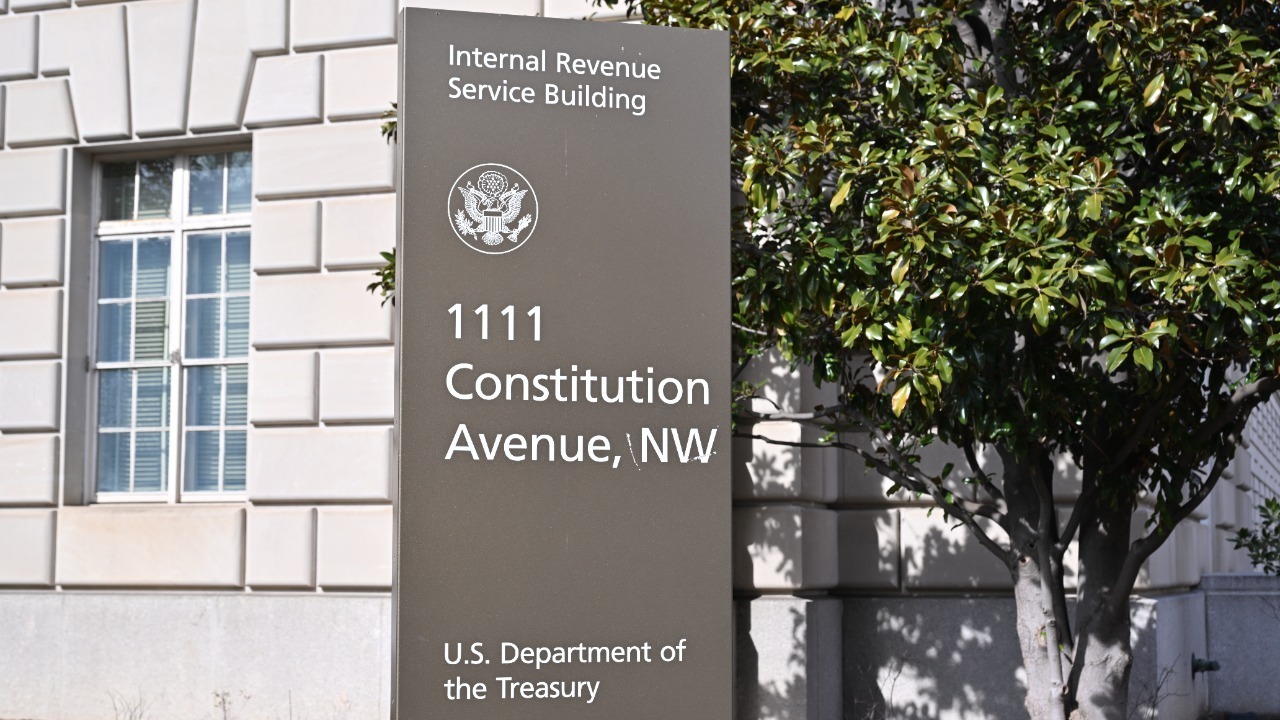
With the rise of cryptocurrency, the IRS has sharpened its focus on ensuring compliance with tax obligations related to digital assets. As the agency tightens regulations, U.S. crypto investors are facing increased scrutiny to report and pay taxes on their crypto activities. Recent developments in IRS crypto tax evasion rules are shaping the landscape for investors and the broader crypto market.
The Growing Importance of Crypto Tax Compliance

The IRS has significantly increased its efforts to ensure that crypto investors meet their tax obligations. A clear indication of this is the surge in IRS letters targeting crypto investors. These letters serve as a reminder to report all crypto transactions, aiming to close the tax gap and ensure compliance. The IRS’s approach reflects its commitment to bringing clarity and enforcement to the often murky world of crypto taxation.
In recent years, the IRS has expanded its resources and strategies to tackle crypto tax evasion. The agency has invested in advanced technologies and hired specialized personnel to monitor cryptocurrency transactions more effectively. By leveraging blockchain analysis tools, the IRS is better equipped to track crypto movements, ensuring that digital assets do not evade taxation. These efforts underscore the agency’s determination to adapt to the evolving financial landscape and safeguard revenue.
Legislative and Regulatory Changes
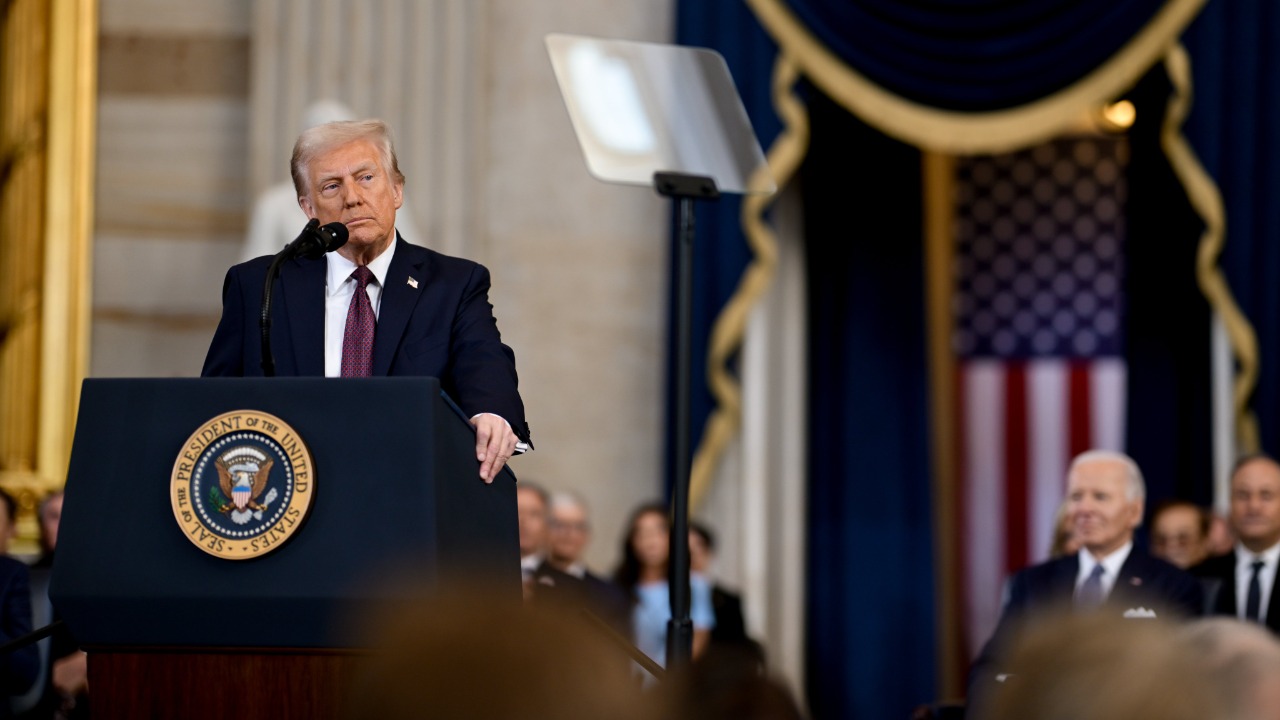
Legislative measures have also played a crucial role in shaping the IRS’s approach to crypto taxation. One significant development was the bill signed by former President Trump, which impacted the IRS’s ability to expand its crypto broker oversight. This legislation reflects a broader trend of streamlining and strengthening crypto tax reporting, ensuring that brokerages adhere to stringent reporting standards.
Furthermore, the Treasury and IRS have issued final regulations on broker reporting requirements for digital assets. These regulations mandate brokers to report sales and exchanges of cryptocurrencies, aligning digital asset reporting with traditional financial assets. The implications for brokers and investors are significant, as they now face increased reporting obligations, pushing the industry towards greater transparency and compliance.
Challenges and Criticisms

Despite these advancements, the IRS’s approach has not been without criticism. Privacy advocates and crypto investors have raised concerns about the potential overreach in data collection and security. The balance between enforcement and individual privacy rights remains a contentious issue. As the IRS ramps up its data collection efforts, the debate intensifies over how to protect investors’ sensitive information while ensuring compliance.
Critics also argue that the IRS’s approach to crypto taxation is overly complex and heavy-handed. The intricate web of regulations can be challenging for investors to navigate, potentially leading to unintended consequences. Market analysts warn that stringent enforcement could stifle innovation and deter investment in the burgeoning crypto sector. These criticisms highlight the need for a balanced approach that fosters growth while ensuring tax compliance.
Future Outlook for Crypto Tax Regulation

Looking ahead, the IRS is expected to continue its crypto tax reform efforts, with several anticipated developments on the horizon. By 2025, experts predict significant changes in IRS crypto tax policy, reflecting an ongoing refinement process. Potential reforms may include adjustments to existing policies, aiming to alleviate complexity and enhance compliance.
International cooperation will also play a vital role in the future of crypto taxation. As cryptocurrencies transcend borders, addressing cross-border transactions and tax evasion requires global collaboration. Initiatives and agreements are already underway to harmonize crypto tax regulations, fostering a unified approach to taxation. This international effort underscores the importance of a coordinated response to the challenges posed by digital assets.
As the IRS continues to refine its approach to crypto taxation, investors must stay informed and proactive in their compliance efforts. Navigating the evolving regulatory landscape requires diligence and adaptability, ensuring that all crypto activities are reported accurately and timely. The future of crypto tax regulation will undoubtedly shape the market, influencing how digital assets are perceived and managed across the globe.

Grant Mercer covers market dynamics, business trends, and the economic forces driving growth across industries. His analysis connects macro movements with real-world implications for investors, entrepreneurs, and professionals. Through his work at The Daily Overview, Grant helps readers understand how markets function and where opportunities may emerge.