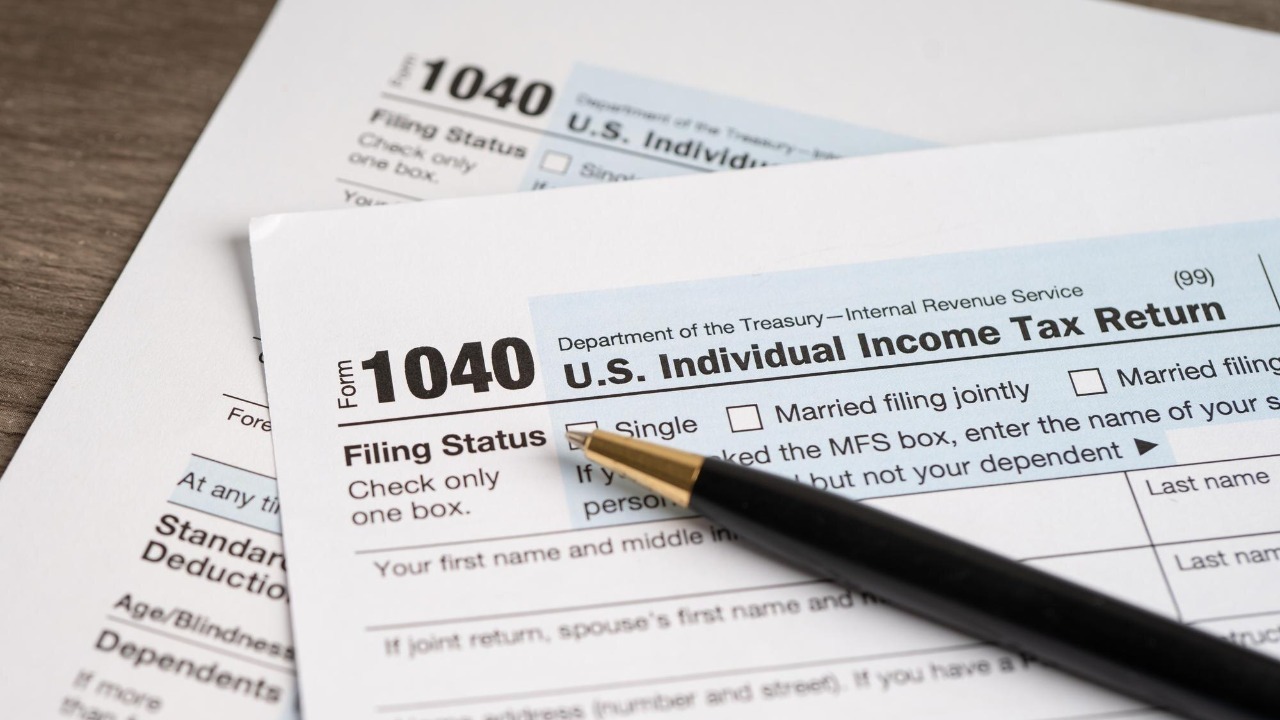
Tax season is about to collide with one of the biggest rewrites of the code in years, and the result could be a noticeably different refund for millions of filers. Between routine inflation adjustments and sweeping changes from the One Big Beautiful Bill, what you get back, or owe, in 2026 will depend on how quickly you adapt to the new rules. I want to walk through the most important shifts so you can see where your own refund is likely to move, and what steps you can still take to tilt the math in your favor.
Inflation tweaks and new brackets: why your 2024 and 2025 returns will not look the same
The first quiet force reshaping refunds is inflation. The IRS adjusts dozens of thresholds every year, from tax brackets to credits, to keep them from being swallowed by rising prices. For the 2025 filing season, the agency has already laid out broad Inflation adjustments that will change where your income lands on the tax tables and how much of it is shielded by deductions and credits. Those annual shifts are now layered on top of structural changes from the One Big Beautiful Bill, which means the usual year-to-year drift in your refund could be amplified.
On top of that, the IRS has already previewed how the brackets and thresholds will evolve again for 2026, including amendments tied directly to the new law. The agency’s release on tax year 2026 details how income ranges and key limits will move under the updated rules, so your 2025 return and your 2026 return will effectively be governed by two slightly different systems even if your paycheck barely changes, according to the Revenue Procedure on those adjustments. The seven federal tax brackets themselves, at 10%, 12%, 22%, 24%, 32%, 35% and 37%, are now permanent, but the income cutoffs that feed into them will keep shifting, as outlined in guidance that confirms the 32% and 35% rates as part of the long term structure of the code in the 32%, 35% framework.
Standard deduction, SALT cap and “no tax on tips”: the biggest refund movers for workers
For many households, the single most important line on the return is the standard deduction, and it is climbing again. The IRS has underscored that the Standard Deduction for taxpayers who do not itemize on Form 1040, Schedule A, has increased, including a specific boost for Married Filing Separately of an increase of $750. Earlier guidance for filing 2024 returns also highlighted that the Standard deduction amount has been raised again, which means more of your income is automatically shielded before the IRS even starts applying rates. Analysts note that the One Big Beautiful Bill, often shortened to The OBBBA, builds on that trend by further lifting the baseline deduction for 2025, a change that tax planners have flagged in their Source breakdown of how the Internal Revenue Service, or IRS, is implementing the law.
At the same time, the law reshapes itemized deductions in ways that could swing refunds sharply for homeowners and high earners in coastal states. One of the headline shifts is a higher ceiling on the state and local tax write off, with new rules that Changes include a higher SALT cap that will let some filers deduct more of what they pay in property and income taxes. A separate summary of the reform package spells out that the law Raises SALT cap to $40,000 if you earn up to $500,000, a dramatic jump from the old $10,000 limit that will especially benefit dual income couples in high tax states. For service workers, the most eye catching change is the “No Tax on Tips” provision, which the IRS describes in detail in its guidance on No Tax on Tips as a New deduction that is Effective for 2025 through 2028, allowing employees and self employed individuals to write off qualified tip income up to a statutory cap. A separate IRS notice on tipped and overtime workers reiterates that under the One, Big, Beautiful Bill, No Tax on Tips Under the One, Big, Beautiful Bill applies to workers who report tipped wages, which could turn what used to be taxable income into a powerful refund booster for servers, bartenders and rideshare drivers.
Credits for families and low income workers: from adoption to the Earned Income Tax Credit
Credits, which cut your tax bill dollar for dollar, are where the new law and routine IRS updates intersect most dramatically. Families adopting children will see one of the clearest benefits, with the IRS detailing that the Dec guidance on the One Big Beautiful Bill lists the Dec Maximum adoption credit as $17,670, which is higher than the $17,280 limit for 2025, and up to $5,120 of this credit may be refundable for qualifying families. The same IRS overview of Families and dependents spells out an Families and Adoption credit enhancement (Section 70402) that kicks in Beginning tax years after December 31, 2024, which means the richer benefit will first show up when parents file their 2025 returns in early 2026. Tax software analysts have been quick to note that the One Big Beautiful Bill Tax Law Changes and How That Impacts You include an increased Child Tax Credit that is designed to increase with inflation each year, a detail highlighted in a Dec explainer on One Big Beautiful Bill Tax Law Changes and How That Impacts You, which means parents could see both larger upfront paychecks and bigger refunds depending on how they adjust their withholding.
For low and moderate income workers, the Earned Income Tax Credit remains one of the most potent tools for boosting refunds, and its parameters are shifting as well. The IRS maintains detailed earned income and Earned Income Tax Credit (EITC) tables that spell out the maximum AGI, investment income and credit amounts for each filing status and number of children. A more granular IRS table for tax year 2024 shows how those limits translate into real money, noting that for 2024 the instruction to Find the maximum AGI, investment income and credit amounts includes a Maximum amount of credit where the maximum amount of credit for three or more qualifying children is $7,830. For many households, that single line can be the difference between a small balance due and a four figure refund. The White House has already signaled that the average American may notice a larger tax return in 2026, citing a mix of a Larger child tax credit and expanded worker benefits, a point echoed in coverage that notes the American White House expectation that Larger refunds will show up alongside reduced tax withholdings in 2026.
How the One Big Beautiful Bill reshapes 2025 and 2026 refunds
The One Big Beautiful Bill is not just a collection of niche tweaks, it is a structural rewrite that will define how refunds look for the rest of the decade. The IRS has published a comprehensive rundown of the One, Big, Beautiful Bill provisions, ranging from family credits to energy incentives, that will filter into the forms taxpayers start filling out in early 2026. Tax prep firms have distilled the most visible pieces for everyday filers, noting that Dec guidance on Taxes 2025-2026: One Big Beautiful Bill Tax Law Changes and How That Impacts You highlights that On July 4, 2025, the legislation took effect with a suite of worker friendly provisions, as summarized in the Dec Taxes overview. A companion analysis of the same law underscores that Dec 9 coverage of Changes that might affect the most common 2025 tax returns includes no tax on tips and a deduction of up to $25,000 per t in certain contexts, with a separate reference to a $25,000 limit, as spelled out in the Changes summary that also notes many of the provisions are indexed annually for 2026 through 2029.
Independent analysts and the IRS alike are already warning that these shifts will show up directly in refund amounts. One overview of the law’s impact notes that Nov guidance explains that Many new tax laws for 2025 were part of the One Big Beautiful Bill Act, which included significant changes to deductions and credits that everyday filers rely on, as captured in the Many One Big Beautiful Bill Act summary. A separate news analysis points out that Oct reporting has already flagged that Many Americans could see heftier tax refunds next year when they file their 2025 tax returns, largely due to new provisions that expand credits and deductions, even as some of the benefits primarily help higher income Americans, a dynamic captured in the Many Americans analysis. Put simply, the law is designed to push more money back into households through the tax system, but the size of that boost will depend heavily on whether you qualify for the marquee provisions like the expanded Child Tax Credit, the higher SALT cap or the new tip deduction.
What to do now so the IRS does not surprise you in 2026
With so many moving parts, the risk is not just missing out on a bigger refund, it is being blindsided by a smaller one because your withholding did not keep up. The IRS is urging taxpayers to get organized early, reminding filers to gather income statements, update direct deposit information and review life changes that could affect eligibility for credits, as part of its guidance on how to Avoid refund delays and understand refund timing, which also warns that Identity theft and refund fraud mean Some returns may require additional review. The agency’s Tax Time Guide for 2025 stresses that Other changes for tax year 2024, including the Standard deduction amount increase and updates to the Additional Child Tax Credit, are already in place for the returns you are about to file, as laid out in the Feb Other overview. For workers in service industries, the IRS has promised more detailed instructions on how to claim the new tip deduction correctly, with its Jul notice on One, Big, Beautiful Bill Act: Tax deductions for working Americans and seniors explaining that the Jul No Tax on Tips New deduction is Effective for 2025 through 2028 and will come with specific guidance by October 2, 2025 on how single and married filers can claim it.
Behind the scenes, the IRS is also updating its own systems to reflect the new law, which is why the agency has been rolling out a steady stream of technical updates and public advisories. Its running page of tax updates and news highlights how the agency is implementing the One Big Beautiful Bill alongside routine inflation indexing, with a section on Nov Inflation adjustments that ties the new thresholds to the Revenue Procedure governing 2025 and 2026. For families and small business owners trying to plan ahead, the safest move now is to run a midyear checkup using updated calculators from major tax software, plug in the higher standard deduction, the new SALT cap, any expected tip income and the richer credits, then adjust your W-4 so your paycheck and your eventual refund line up with your actual goals rather than last year’s rules.
More From TheDailyOverview

Julian Harrow specializes in taxation, IRS rules, and compliance strategy. His work helps readers navigate complex tax codes, deadlines, and reporting requirements while identifying opportunities for efficiency and risk reduction. At The Daily Overview, Julian breaks down tax-related topics with precision and clarity, making a traditionally dense subject easier to understand.

