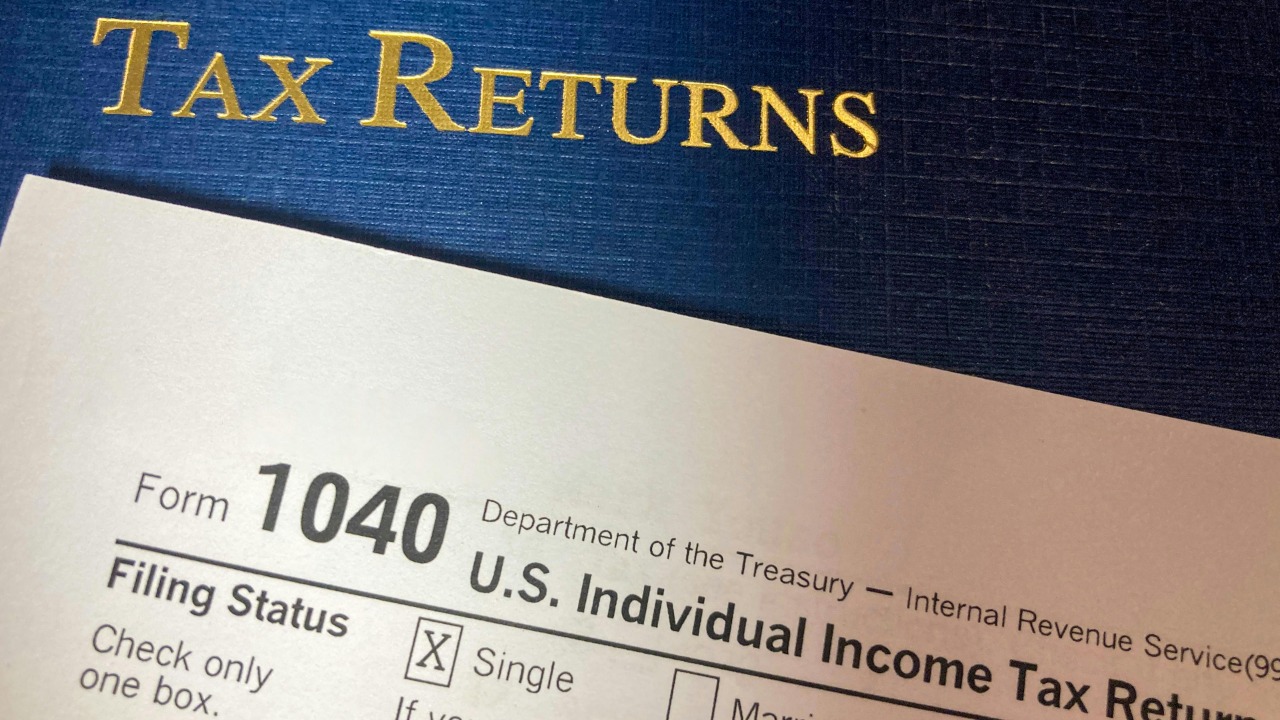
With the gig economy booming, tax considerations for gig workers have become increasingly vital. Recent updates from the IRS aim to streamline the tax refund process for these freelancers, ensuring they receive the refunds they are entitled to. These updates carry significant implications for gig workers navigating tax season, helping to demystify what can often be a complicated process.
Understanding the Gig Economy’s Tax Landscape

The gig economy has become a significant component of the modern workforce, with millions of workers engaging in freelance or contract-based jobs. This shift has altered traditional employment models, leading to unique challenges in taxation. As platforms like Uber, DoorDash, and Upwork flourish, the gig economy’s impact on taxation becomes more pronounced. Gig workers are typically classified as independent contractors, which means they are responsible for managing their own taxes, unlike traditional employees whose employers handle tax withholdings.
Gig workers face several key tax challenges, such as self-employment taxes and the need to make quarterly estimated payments. Unlike standard employees, gig workers must pay both the employer and employee portions of Social Security and Medicare taxes, often leading to higher overall tax liabilities. The IRS has recognized these challenges and has launched initiatives to support gig workers. These efforts include providing online resources, webinars, and direct assistance to help freelancers understand their tax obligations and navigate the complexities of tax filing.
Recent IRS Updates on Tax Refunds
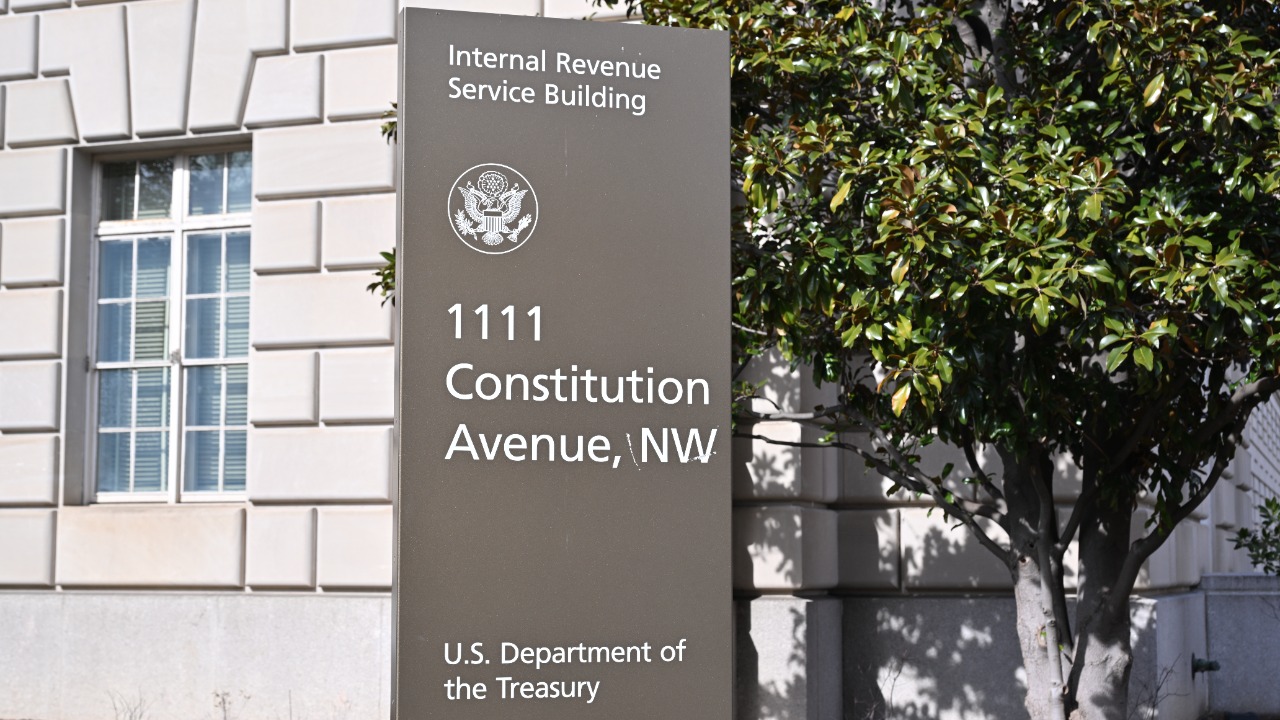
In response to the growing gig economy, the IRS has introduced new procedures aimed at expediting and simplifying the tax refund process for gig workers. These changes include enhanced digital filing options and streamlined verification processes designed to reduce the time it takes to issue refunds. By utilizing advanced algorithms and automation, the IRS seeks to minimize the backlog and improve efficiency in handling gig workers’ tax returns.
Technological advancements play a crucial role in these updates. The IRS has been leveraging data analytics and machine learning to enhance the accuracy of tax refunds, ensuring that gig workers receive the correct amounts without unnecessary delays. Additionally, the agency’s online platforms have become more user-friendly, allowing freelancers to access their tax information with ease. It’s important for gig workers to stay informed about key deadlines and filing requirements to ensure timely tax filing and refunds. Typically, the deadline for filing taxes is April 15, with quarterly estimated payments due throughout the year.
Navigating Tax Refunds: Best Practices for Gig Workers

For gig workers, maintaining organized financial records is essential for a smooth tax filing process. Keeping track of income, expenses, and mileage can significantly impact the accuracy of tax returns and the size of refunds. Utilizing apps like QuickBooks Self-Employed or Expensify can help freelancers manage their finances efficiently and simplify the tax preparation process.
The IRS offers a variety of resources and tools to aid gig workers in understanding their tax obligations. Online calculators, tax guides, and the Interactive Tax Assistant are valuable resources that can provide clarity on tax-related questions. However, given the complexity of tax laws, seeking professional tax advice is often beneficial. Tax professionals who specialize in the gig economy can offer personalized guidance, helping freelancers maximize their refunds and minimize liabilities.
Future Implications and Considerations

As the gig economy continues to grow, potential changes in tax policies could significantly impact gig workers. Lawmakers are examining ways to adapt tax regulations to better accommodate this segment of the workforce. Speculation about future policies includes adjustments to self-employment tax rates and the introduction of new deduction opportunities tailored for freelancers. These changes could help alleviate some of the financial burdens currently faced by gig workers.
The long-term impact of recent IRS updates is likely to be positive, fostering greater financial well-being and tax compliance among gig workers. By streamlining the refund process and enhancing access to resources, the IRS is positioning itself as a supportive partner for the gig economy. Encouraging proactive tax planning is crucial for gig workers to maximize their refunds and minimize tax liabilities. Staying informed about tax changes and leveraging available resources can help gig workers navigate the evolving tax landscape with confidence.
In conclusion, as the gig economy reshapes traditional employment models, understanding and navigating tax obligations become increasingly important for freelancers. By staying informed about IRS updates and leveraging available tools, gig workers can ensure they receive the refunds they deserve while maintaining compliance with tax laws.

Julian Harrow specializes in taxation, IRS rules, and compliance strategy. His work helps readers navigate complex tax codes, deadlines, and reporting requirements while identifying opportunities for efficiency and risk reduction. At The Daily Overview, Julian breaks down tax-related topics with precision and clarity, making a traditionally dense subject easier to understand.