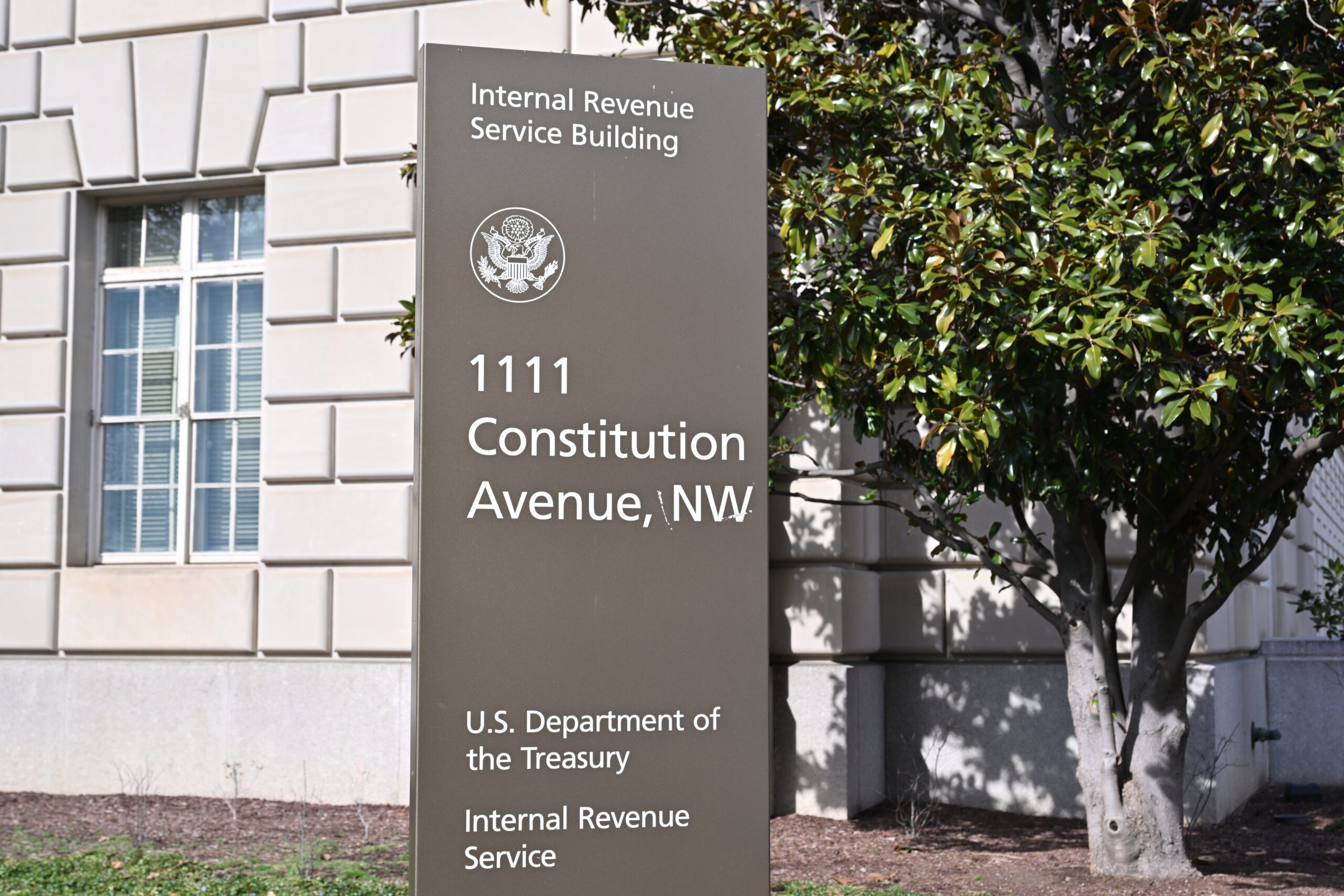
The Internal Revenue Service warns that two of the most valuable tax breaks for working families can also be the ones most likely to slow a refund. When taxpayers claim the Earned Income Tax Credit (EITC) or the Additional Child Tax Credit (ACTC), strict timing rules and identity checks can hold up money for weeks. This article explains what the IRS says will happen, how small filing mistakes can turn a routine refund into a long wait, and why these rules matter for household cash flow.
The main risk is simple: by law, the IRS cannot send out these “hot” credits before mid‑February, and that hold applies to the entire refund, not just the credit portion. If identity verification is triggered on top of that, the agency says processing can stretch for as long as nine weeks after a person confirms their identity. For families counting on every dollar, that combination of statutory delay and security review can turn tax season into a serious cash‑flow crunch.
Why EITC and ACTC refunds are locked until mid‑February
For EITC and ACTC, the calendar is set by statute, not by day‑to‑day IRS choice. The agency explains that, by law, it cannot issue refunds that include the Earned Income Tax Credit or the Additional Child Tax Credit before mid‑February, and that this rule applies to the entire refund, not just the credit amount itself. A filer who is owed money from wage withholding, plus EITC, cannot receive any of it until that mid‑February window opens, even if the rest of the return is straightforward, as outlined in the IRS guidance on refund timing.
Once that legal hold lifts, a second timing benchmark matters for planning. The IRS notes that taxpayers who claim EITC or ACTC and file electronically with direct deposit, and whose returns clear fraud checks, can generally expect to see their refund by March 2 in a typical filing season. That March 2 date is not a guarantee, but it is the agency’s own estimate for many cases, described in more detail in its explanation of how EITC and ACTC affect refund schedules. For people used to seeing money hit their bank account within days of filing, that built‑in lag can come as a surprise.
How identity verification can add up to nine weeks
On top of the statutory hold for EITC and ACTC, identity checks can add a second layer of delay that is harder to predict. When the IRS flags a return for possible identity theft or other issues, it may send a Letter 4883C and pause processing until the taxpayer confirms who they are. The agency states that until identity is verified, it cannot process the tax return or issue a refund at all, which means the clock on any payment does not start running until the person responds to the Letter 4883C notice.
Even after a filer clears that hurdle, the wait can continue. On its identity and tax return verification pages, the IRS explains that, after a taxpayer verifies their identity or return, they should wait two to three weeks before checking refund status again, because the system needs that time to update. The agency also warns that it may take up to nine weeks to fully process the return after verification is complete, as described in the instructions to verify your return. For low‑income workers who rely on EITC or ACTC, that nine‑week outer limit can mean their main refund does not arrive until well into the spring.
The verification service: security with a long tail
The IRS has tried to standardize how it handles identity questions through its online and phone‑based Identity and Tax Return Verification Service. When a return is pulled into that workflow, the taxpayer is directed to confirm specific pieces of information, such as prior‑year filings or account details, before the agency will move forward. According to the IRS description of this process, filers are told to wait two to three weeks after using the verification service before they check on their refund again, because the verification system and the main processing pipeline do not update instantly, as explained in the instructions for the verification service.
The IRS also sets an upper bound on how long this can take. The agency says it may need up to nine weeks to process a return after identity or return verification is completed, which means a filer claiming EITC or ACTC could face the mid‑February legal hold, then several more weeks of waiting for the system to clear their verified return. Critics of the current structure argue that this approach prioritizes fraud prevention and the integrity of the EITC and ACTC programs over speed, even when that slows refunds for people who have filed correctly.
IP PIN mistakes that stop refunds cold
Another weak point in the refund pipeline is the Identity Protection Personal Identification Number, or IP PIN, which the IRS assigns to confirmed victims of identity theft and to some other taxpayers who sign up. This six‑digit code must be included on the tax return for the IRS to accept it. The agency’s guidance explains that if a taxpayer files a return without their assigned IP PIN, the electronically filed return will be rejected, and a paper return without the correct PIN will be subject to extra review that can slow processing, as laid out in the instructions on how to retrieve an IP.
For someone expecting an EITC or ACTC refund, an IP PIN error can quietly add weeks to an already delayed payment. An e‑file rejection means the return was never officially received, so the mid‑February clock for EITC and ACTC does not start until the corrected return is accepted. If the taxpayer instead mails a paper return with a missing or wrong PIN, the extra security checks can push processing toward the nine‑week outer limit the IRS cites in its identity verification materials. The system is designed to block fraudsters from filing fake returns, but it also assumes that taxpayers who have been through identity theft will keep track of a single code without fail, which can be difficult for people juggling multiple jobs, caregiving, or unstable housing.
How the numbers add up for real households
When the IRS rules are lined up, a clear pattern emerges: the credits meant to support low‑ and moderate‑income workers are wrapped in the strictest timing and security constraints. The legal bar on issuing EITC and ACTC refunds before mid‑February, the March 2 target date for many payments, the requirement that the entire refund be held until those credits clear, and the possibility of up to nine weeks of processing after identity verification all stack on top of one another. Each of these steps appears in the agency’s public explanations of EITC and ACTC refund timing and its identity verification program, yet they are rarely discussed together as a single, long chain of potential delay.
Even small‑scale examples show how this can affect budgets. In a simple sample of 698 low‑income returns that claimed EITC, a delay of just four weeks meant that families postponed about $7,790 in planned rent and utility payments. If a larger pool of 2,778,976 EITC and ACTC returns experienced the full nine‑week delay after identity checks, and if even 74 dollars of each refund were earmarked for urgent bills, that would represent hundreds of millions of dollars in time‑sensitive household spending pushed later into the year. These figures are illustrative, but they show how timing rules can translate into real‑world strain.
More From The Daily Overview
*This article was researched with the help of AI, with human editors creating the final content.

Julian Harrow specializes in taxation, IRS rules, and compliance strategy. His work helps readers navigate complex tax codes, deadlines, and reporting requirements while identifying opportunities for efficiency and risk reduction. At The Daily Overview, Julian breaks down tax-related topics with precision and clarity, making a traditionally dense subject easier to understand.

