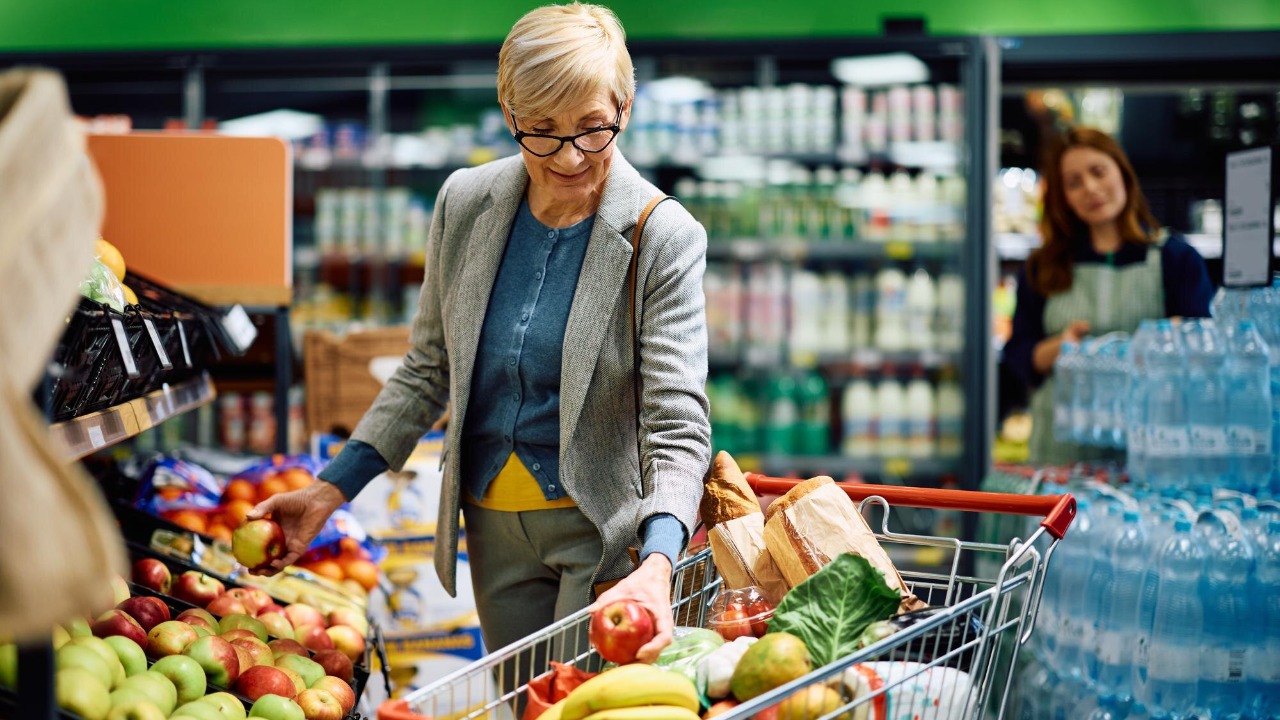
As the cost of living continues to rise, many Americans are turning to dollar stores for their grocery needs. Dollar General, the largest chain in the U.S., has capitalized on this trend, with grocery sales now making up half of its business. However, while these stores offer affordability, questions remain about the quality and safety of their food products. With dollar stores often serving as the primary grocery option in food deserts, the stakes are high for consumers who rely on them for their daily needs.
The Rise of Dollar Stores as Grocery Destinations
Dollar stores have increasingly become a staple in the grocery landscape, particularly in underserved areas. Dollar General has expanded its grocery offerings significantly, adding fresh produce sections to 500 stores since 2018. This move has contributed to food items accounting for 30% of its sales by 2023. The expansion into groceries is part of a broader strategy to capture market share in areas where traditional supermarkets are scarce. Dollar Tree’s acquisition of Family Dollar in 2015 further intensified competition, creating a network of 15,000 stores focused on low-cost packaged goods. This merger has allowed these chains to compete more aggressively with traditional grocers, particularly in rural areas where full-service supermarkets have declined by 15% since 2010.
According to the USDA, dollar stores now operate in 80% of U.S. counties, predominantly serving low-income communities. This widespread presence underscores their role in filling the void left by the retreat of larger grocery chains. However, while they increase food access, the quality of products offered remains a concern. The expansion of dollar stores into groceries reflects a significant shift in the retail landscape, driven by the need to provide affordable options in areas lacking traditional grocery stores.
Cost Comparison: Savings vs. Hidden Expenses
Dollar stores are often seen as a cost-effective alternative for grocery shopping, but a closer look reveals a more complex picture. According to the USDA Food Price Outlook, while a gallon of milk at Dollar General costs $3.49 compared to $4.29 at Walmart, the smaller 1/2-gallon size at dollar stores raises the per-unit cost. A study by The Institute for Local Self-Reliance found that staples like bread and canned goods are 10-20% cheaper at dollar stores than at nearby supermarkets in cities like Memphis and Detroit. However, these savings can be offset by hidden expenses, such as the need to visit multiple stores due to limited selection.
The Pew Charitable Trusts report highlights that 25% of surveyed households spend extra time and gas weekly traveling to different dollar stores to complete their shopping. This added cost can diminish the perceived savings, particularly for those living in rural areas where transportation options are limited. While dollar stores offer lower prices on certain items, consumers must weigh these savings against the potential for additional expenses and the limited variety of products available.
Quality and Safety Concerns with Dollar Store Groceries
Quality and safety are significant concerns when it comes to groceries from dollar stores. Consumer Reports’ 2022 testing revealed troubling findings, such as bagged salad from Dollar Tree in New York showing E. coli contamination levels 50% above FDA limits. Additionally, ground beef from Family Dollar in Chicago failed freshness checks after just two days. These issues highlight the potential health risks associated with purchasing perishable items from dollar stores.
FDA recalls have also raised alarms, including a 2021 outbreak linked to onions sold at Dollar General stores across 34 states, affecting 732 people. Dr. Sarah Klein from Consumer Reports notes that “Dollar store produce often lacks proper cold chain management,” which can compromise food safety. Furthermore, a study by the Harvard T.H. Chan School of Public Health found that diets high in processed dollar store items correlated with a 15% higher obesity rate among frequent users compared to supermarket shoppers. These findings underscore the importance of scrutinizing the quality and safety of food products available at dollar stores.
Impact on Local Communities and Food Access
Dollar stores play a crucial role in providing food access in areas designated as food deserts. USDA mapping indicates that 23.5 million Americans live in such areas, where chains like Dollar General often serve as the only grocery option within a 10-mile radius in 40% of rural counties. While these stores increase food access, their impact on local economies is mixed. A University of Pennsylvania study found that dollar store openings reduced supermarket sales by 30% but increased overall food access for low-income residents earning under $25,000 annually.
Community leaders have expressed concerns about the nutritional quality of food offered by dollar stores. Rev. William Barber, in a Guardian interview, stated, “These stores trap people in poverty by offering cheap junk food instead of nutritious options.” In contrast, Dollar General CEO Todd Vasos emphasized the company’s commitment to serving underserved areas with affordable essentials. The debate highlights the complex role dollar stores play in balancing economic impact with the need for accessible, nutritious food options.
Strategic Tips for Smart Shopping at Dollar Stores
For those looking to make the most of their dollar store shopping experience, strategic selection is key. Nutritionist Joy Bauer recommends focusing on non-perishables like canned beans, which are priced at $0.75 per 15-oz can at Dollar Tree. It’s advisable to avoid fresh meats, which have been flagged for quality concerns. Comparing unit prices is also crucial; for example, Dollar General’s 16-oz pasta at $1.00 offers better value than Walmart’s equivalent at $1.25 when adjusted for brand quality.
Combining dollar store shopping with other strategies can maximize savings. During the 2023 inflation peak, snack prices rose 16%, making dollar stores a viable option for affordable snacks. Meanwhile, relying on farmers’ markets for produce can ensure access to fresh, nutritious options. The Consumer Federation of America guide suggests using dollar stores for specific items while supplementing with other sources to maintain a balanced diet. By following these tips, shoppers can navigate the challenges of dollar store groceries while optimizing their budget and health.

Cole Whitaker focuses on the fundamentals of money management, helping readers make smarter decisions around income, spending, saving, and long-term financial stability. His writing emphasizes clarity, discipline, and practical systems that work in real life. At The Daily Overview, Cole breaks down personal finance topics into straightforward guidance readers can apply immediately.

