
Recent reports suggest a dual narrative regarding the U.S. economy’s health, with both strong and weak indicators creating a complex picture. The stock market’s decline is now mirroring economic downturns, an unusual convergence highlighted by the Economic Policy Institute. Meanwhile, the U.S. dollar has had a weak start this year, raising questions about its impact on the broader economy.
Stock Market and Economic Indicators

The stock market’s performance is traditionally seen as separate from the economy, yet recent trends show both are sinking together. This convergence is particularly notable because it challenges the long-held belief that the stock market operates independently of broader economic conditions. According to the Economic Policy Institute, this simultaneous decline suggests deeper systemic issues that could have long-term implications for economic stability.
To better understand the current economic landscape, ten key indicators provide insights into the U.S. economic situation, highlighting various areas of strength and weakness. These indicators, as reported by The Economist, include metrics such as employment rates, consumer spending, and manufacturing output. While some indicators suggest resilience, others point to vulnerabilities, creating a mixed picture that complicates straightforward assessments of economic health.
Confusion about the economy’s current state is widespread, reflecting mixed messages from economic data. As CNN highlights, this confusion is exacerbated by contrasting reports and analyses, leaving many Americans uncertain about the true state of the economy. This uncertainty is further fueled by media coverage that often emphasizes the contrast between strong and weak economic indicators.
The U.S. Dollar’s Weakness
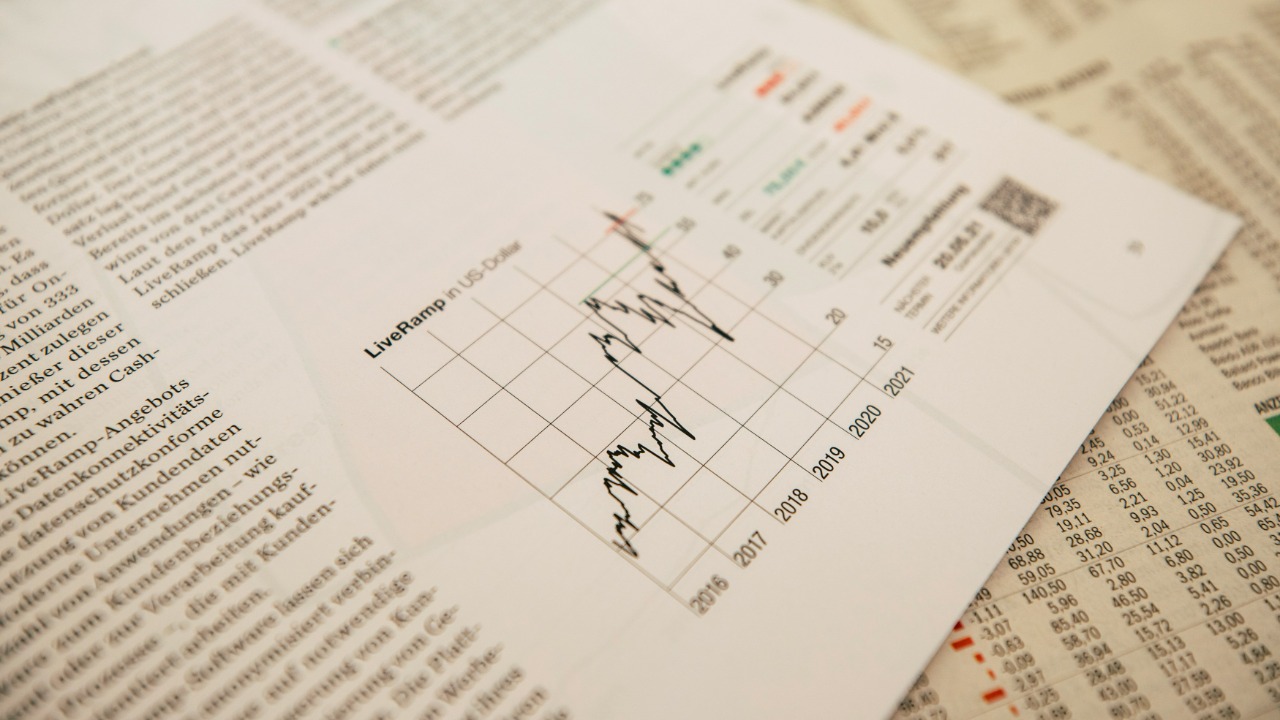
The U.S. dollar has experienced a weak start in 2025, prompting analysis of its causes and potential effects. According to NPR, several factors contribute to this weakness, including shifts in global trade dynamics and domestic economic policies. The implications of a weaker dollar are significant, affecting everything from import prices to international competitiveness.
Harvard University’s Kenneth Rogoff offers insights into the implications of a weaker dollar for global trade and inflation. As he explains, a devalued dollar can lead to higher import costs, which may contribute to inflationary pressures within the U.S. economy. This scenario could complicate efforts to manage inflation and maintain economic stability, particularly if the dollar’s weakness persists over the long term.
In addition to the factors already mentioned, the U.S. dollar’s weakness can also be attributed to geopolitical tensions and shifts in global economic power. As emerging markets grow and diversify their currency reserves, the dollar’s dominance is being challenged. This shift is further compounded by the Federal Reserve’s monetary policy, which has seen interest rates fluctuate in response to domestic economic conditions. Such policies can influence foreign investment flows, impacting the dollar’s strength on the global stage.
Moreover, the dollar’s depreciation has implications for U.S. businesses operating internationally. Companies that rely heavily on imports may face increased costs, potentially leading to higher prices for consumers. Conversely, U.S. exporters could benefit from a weaker dollar, as their goods become more competitively priced abroad. This dynamic creates a complex landscape for policymakers, who must balance the benefits of increased export competitiveness with the risks of inflation and reduced purchasing power for American consumers. As these factors continue to evolve, the dollar’s trajectory remains a critical area of focus for economists and investors alike.
Public Perception and Economic Confusion
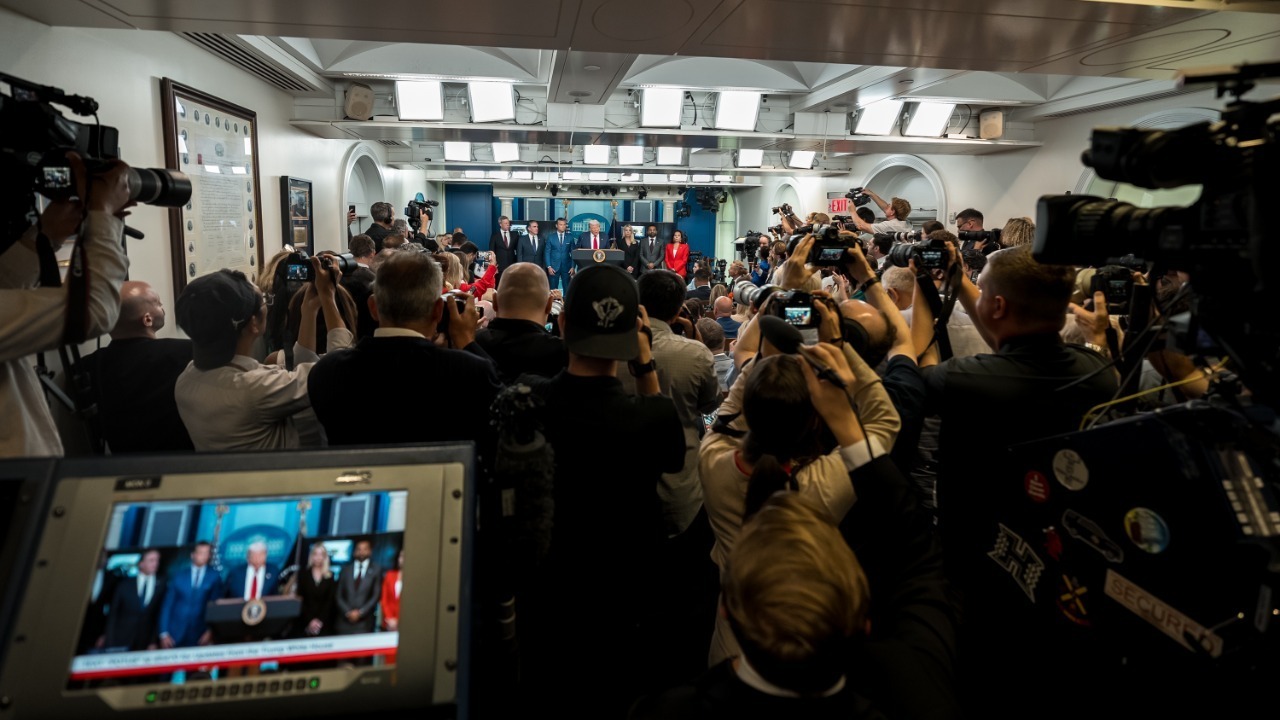
Many Americans are confused about the real state of the economy, reflecting mixed signals from various economic reports. This confusion is not unfounded, as the economy presents a complex picture with both positive and negative indicators. As CNN reports, the public’s uncertainty is mirrored by the media’s portrayal of the economy, which often highlights the contrast between strong and weak indicators.
Media coverage plays a crucial role in shaping public perception, and the current narrative contributes to economic uncertainty. As noted by Seeking Alpha, the ongoing debate over the economy’s true state is fueled by conflicting reports and analyses. This situation underscores the importance of clear and accurate reporting to help the public navigate the complexities of economic data.
Analysis and Expert Opinions

Economic experts are divided on their assessments, with some pointing to positive indicators while others emphasize weaknesses. This division is evident in the analysis of key economic metrics, which reveal both areas of growth and concern. According to The Economist, experts highlight factors such as robust consumer spending and strong job growth as positive signs, while also noting challenges like rising inflation and supply chain disruptions.
The convergence of stock market and economic downturns is seen as a significant development by analysts. This trend, as reported by the Economic Policy Institute, suggests that traditional economic models may need reevaluation in light of current conditions. As experts continue to analyze these developments, their insights will be crucial in understanding the broader implications for the U.S. economy and its future trajectory.

Grant Mercer covers market dynamics, business trends, and the economic forces driving growth across industries. His analysis connects macro movements with real-world implications for investors, entrepreneurs, and professionals. Through his work at The Daily Overview, Grant helps readers understand how markets function and where opportunities may emerge.

