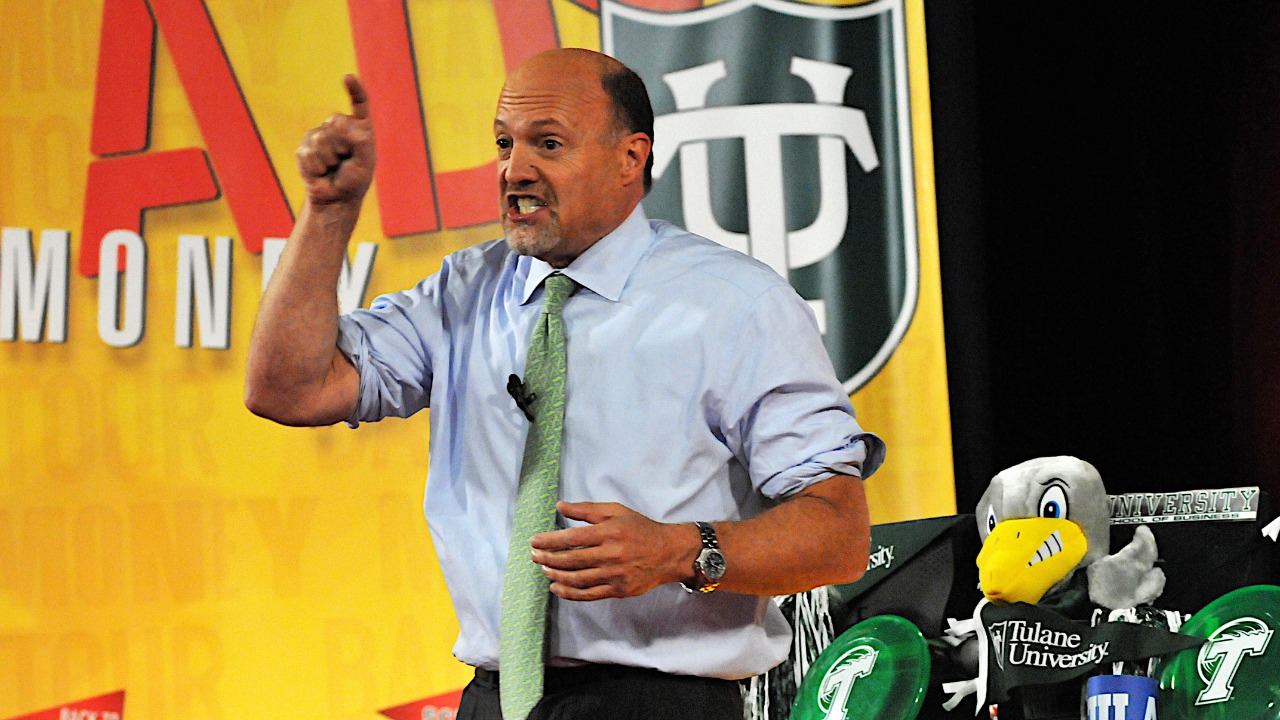
On September 30, 2025, Jim Cramer publicly disagreed with Warren Buffett’s classic investment advice, sparking a debate in the financial community. Cramer, known for his outspoken views on investing, challenged Buffett’s long-held strategies, emphasizing the need for modern investors to adapt to changing market dynamics. This clash of perspectives has ignited discussions about the relevance of traditional investment strategies in today’s fast-paced market environment.
Warren Buffett’s Classic Investment Advice
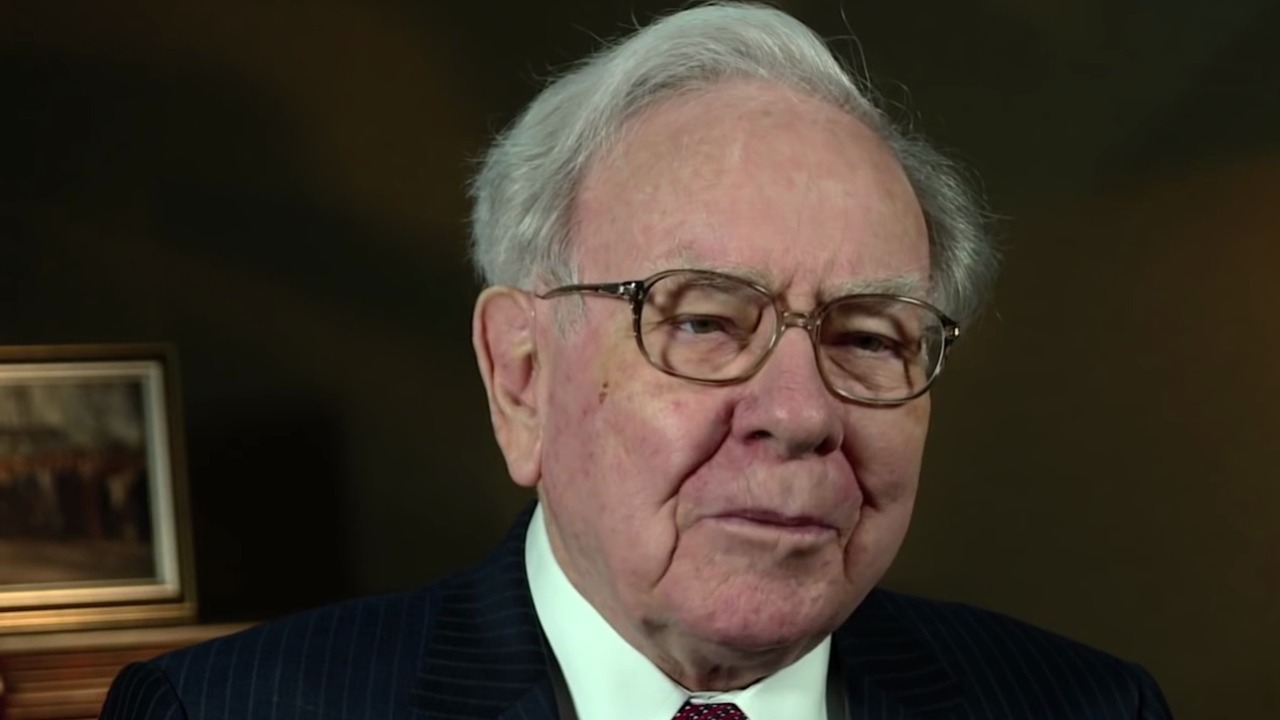
Warren Buffett, often regarded as one of the most successful investors of all time, has long championed a traditional approach to investing. His strategy emphasizes long-term holding and value investing, focusing on buying and holding quality stocks in companies with strong competitive advantages. Buffett’s philosophy is rooted in the belief that patience and a deep understanding of a company’s intrinsic value are key to successful investing.
Buffett’s track record speaks for itself, with decades of consistent success that have cemented his influence in the investing community. His approach has inspired countless investors to adopt a similar mindset, prioritizing stability and long-term growth over short-term gains. This strategy has been particularly effective in markets where volatility is high, as it encourages investors to remain steadfast in their commitments despite market fluctuations.
Buffett’s investment philosophy is not just about picking stocks but also about understanding the broader economic environment. He often emphasizes the importance of macroeconomic factors such as interest rates and inflation, which can significantly impact the intrinsic value of companies. This comprehensive approach allows investors to make informed decisions based on a company’s long-term potential rather than short-term market fluctuations. Additionally, Buffett’s strategy includes a strong focus on ethical investing, choosing companies that not only promise financial returns but also adhere to high ethical standards, which he believes contributes to sustainable success.
Jim Cramer’s Perspective

Jim Cramer, a prominent financial commentator and host of CNBC’s “Mad Money,” has recently critiqued Buffett’s strategy as outdated in today’s rapidly evolving market environment. Cramer argues that the traditional buy-and-hold approach may not be suitable for modern investors who must navigate a landscape characterized by swift technological advancements and increased market volatility. According to Cramer, investors should be more dynamic and responsive to market trends, rather than adhering strictly to long-term holding strategies (CNBC).
Cramer advocates for a more active investment strategy, one that involves frequent reassessment of market conditions and a willingness to pivot when necessary. He believes that this approach allows investors to capitalize on short-term opportunities and mitigate risks associated with sudden market shifts. Cramer’s own investment strategies often contrast with Buffett’s, as he emphasizes the importance of staying informed and agile in the face of changing economic landscapes (Traders Union).
Cramer also highlights the role of technology in reshaping investment strategies. He points out that the rise of algorithmic trading and artificial intelligence has introduced new dynamics into the market, making it essential for investors to stay informed about technological trends. Cramer suggests that these tools can provide investors with real-time data and analytics, enabling them to make quicker and more informed decisions. Furthermore, he argues that the democratization of financial information through online platforms has empowered individual investors, allowing them to compete more effectively with institutional players.
The Debate: Old vs. New Investment Strategies

The disagreement between Buffett and Cramer highlights a broader debate within the financial community: the merits of traditional versus modern investment strategies. On one side, proponents of Buffett’s approach argue that long-term value investing remains a reliable method for building wealth, particularly in uncertain economic times. On the other hand, advocates of Cramer’s perspective contend that the rapid pace of technological change and market dynamics necessitate a more flexible and responsive approach.
Financial experts are divided on this issue, with some supporting Buffett’s time-tested methods while others align with Cramer’s call for adaptability. The debate is further fueled by recent market volatility and the rise of new investment tools and technologies that have transformed how investors engage with the market. These developments have prompted many to reconsider the effectiveness of traditional strategies in achieving financial success.
Another aspect of this debate is the psychological component of investing. Proponents of Buffett’s strategy argue that it helps investors maintain discipline and avoid the pitfalls of emotional decision-making, which can lead to poor investment choices. In contrast, Cramer’s approach encourages a more proactive stance, which some argue can lead to overtrading and increased transaction costs. This psychological dimension adds another layer of complexity to the debate, as investors must balance the need for strategic patience with the agility to respond to market changes.
Impact on Investors and the Market

Cramer’s public disagreement with Buffett has the potential to influence individual investors and their strategies significantly. As a well-known media figure, Cramer’s opinions can shape public perception and sway investor behavior. His critique of Buffett’s approach may encourage some investors to reevaluate their own strategies, potentially leading to shifts in market behavior as they weigh the merits of traditional versus modern approaches.
The influence of media figures like Cramer cannot be underestimated, as they play a crucial role in shaping public opinion and investment trends. As investors grapple with the implications of this debate, they may become more open to exploring new strategies and tools that align with Cramer’s vision of a more dynamic investment approach. This shift could lead to increased market activity and a reevaluation of long-held investment beliefs.
The debate also underscores the importance of financial education for investors. As Cramer and Buffett’s differing views gain attention, there is a growing recognition of the need for investors to understand the fundamentals of both traditional and modern investment strategies. This awareness can lead to more informed decision-making and potentially better investment outcomes. Additionally, the discussion may prompt financial institutions to offer more educational resources and tools to help investors navigate the complexities of the market.
Future of Investing: Adaptation and Innovation

The ongoing debate between Buffett and Cramer is likely to drive innovation in investment strategies and tools. As investors seek to adapt to an ever-changing economic landscape, the importance of flexibility and innovation will become increasingly apparent. This environment may foster the development of new investment products and technologies designed to meet the needs of modern investors.
Looking ahead, the influence of thought leaders like Cramer and Buffett will continue to shape the future of investing. As the market evolves, investors will need to remain adaptable and open to new ideas, balancing the wisdom of traditional strategies with the opportunities presented by modern advancements. The future of investing will likely be characterized by a blend of old and new approaches, as investors strive to navigate the complexities of a rapidly changing world.

Grant Mercer covers market dynamics, business trends, and the economic forces driving growth across industries. His analysis connects macro movements with real-world implications for investors, entrepreneurs, and professionals. Through his work at The Daily Overview, Grant helps readers understand how markets function and where opportunities may emerge.

