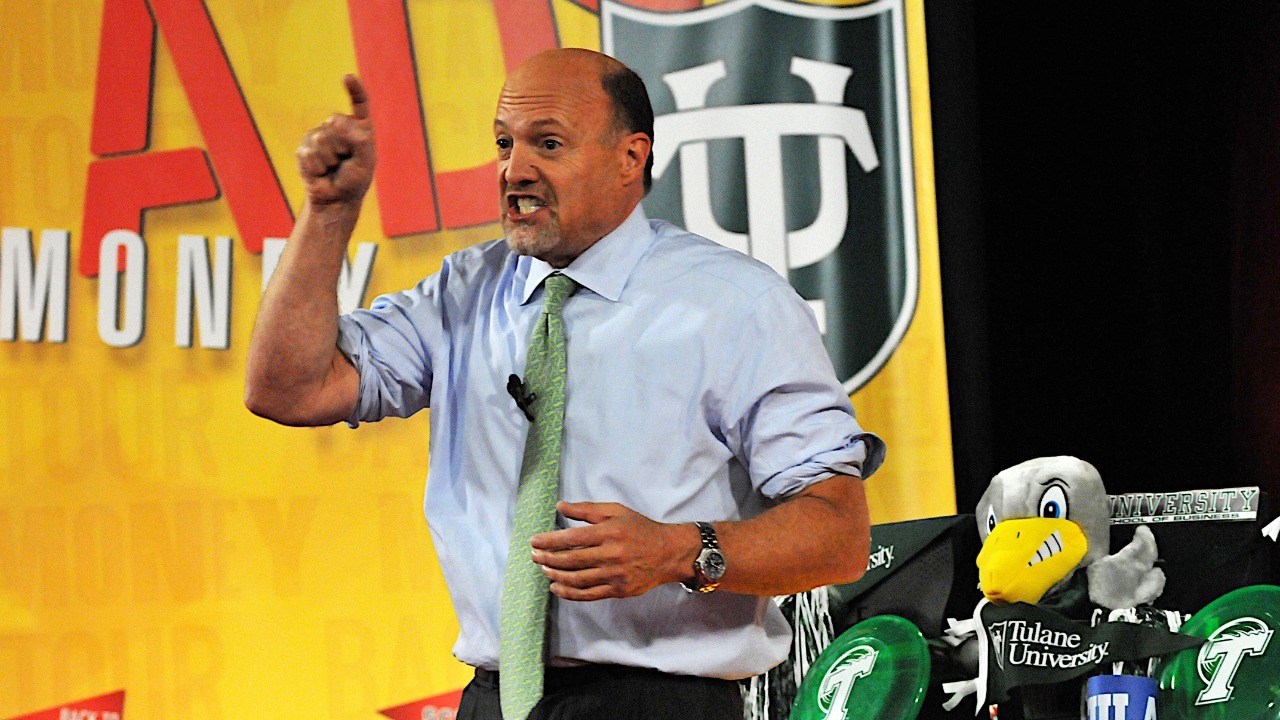
Jim Cramer, a prominent financial analyst on CNBC, shared his insights on how sky-high expectations can negatively impact even the strongest stocks during earnings season. He highlighted that investor hype often leads to reactions of disappointment, even when companies report solid performances. These insights offer crucial trading takeaways as companies release their earnings results.
Cramer’s Core Explanation of Expectations
Jim Cramer argues that sky-high expectations set unrealistic benchmarks for stock performance, which can be detrimental. According to Cramer, when investors build up excessive hype around a company’s potential earnings, it creates a psychological barrier that is difficult to overcome. Even if a company reports positive earnings, the results may still fall short of these inflated expectations, leading to sell-offs. Cramer emphasizes that the psychological impact of hype can skew market reactions, causing investors to overlook the actual health and performance of a company. This perspective is crucial for understanding why stocks might decline despite seemingly strong earnings reports.
Cramer further explains that the market’s reaction is often not about the earnings themselves but about how those earnings compare to the expectations set by analysts and investors. When expectations are set too high, even a slight miss can trigger a significant drop in stock prices. This phenomenon underscores the importance of managing expectations and understanding the psychological dynamics at play in the market. Cramer’s insights highlight the need for investors to remain grounded and realistic in their assessments of company performance.
Why Strong Stocks Are Vulnerable
Historically strong stocks are not immune to the pitfalls of unmet high expectations. Cramer points out that even blue-chip companies and high-growth firms can experience significant declines if their earnings do not meet the lofty expectations set by the market. For instance, during earnings season, stocks that are typically considered robust may still face sell-offs if their reported earnings, while positive, do not align with the pre-earnings hype. This vulnerability is particularly pronounced in sectors where investor enthusiasm is high, leading to amplified downside risks.
Cramer’s analysis of earnings season reveals that pre-earnings hype can significantly impact stock performance. He notes that the metrics often used to gauge a company’s success, such as stock price drops post-earnings, can be misleading if not viewed in the context of expectations. For example, a company might report a 10% increase in revenue, but if the market expected a 15% increase, the stock could still suffer. This discrepancy between actual performance and market expectations is a key factor in understanding why strong stocks can be vulnerable during earnings season.
Trading Strategies Amid Earnings Hype
To navigate the challenges posed by sky-high expectations, Cramer offers several trading strategies. He advises traders to manage their risk by avoiding overexposure to stocks that are heavily hyped before earnings reports. This approach helps mitigate the potential for significant losses if the company’s performance does not meet expectations. Cramer also suggests that traders should focus on companies with realistic growth prospects and avoid getting caught up in the hype surrounding certain stocks.
Another key takeaway from Cramer’s advice is the importance of diversification. By spreading investments across a range of sectors and companies, traders can reduce their exposure to the volatility associated with earnings season. Cramer emphasizes that while it is tempting to chase high-flying stocks, a balanced portfolio is more likely to withstand the fluctuations caused by unmet expectations. His recommendations are particularly relevant in the current market cycle, where investor sentiment can shift rapidly based on earnings reports.
Broader Market Implications
The impact of high expectations extends beyond individual stocks, contributing to sector-wide volatility. Cramer notes that when expectations are elevated across the board, entire sectors can experience turbulence if companies fail to deliver the anticipated results. This sector-wide volatility can have ripple effects on investor sentiment, leading to broader market fluctuations. Cramer’s perspective highlights the importance of balancing optimism with realism, especially for long-term investors who need to navigate these market dynamics.
In addition to affecting individual stocks and sectors, the phenomenon of sky-high expectations can influence overall market trends. When investors consistently set unrealistic benchmarks, it can lead to a cycle of disappointment and volatility. Cramer suggests that maintaining a realistic outlook is crucial for sustaining long-term growth and stability in the market. By understanding the broader implications of high expectations, investors can better position themselves to weather the ups and downs of earnings season and beyond.
In conclusion, Jim Cramer’s insights into the impact of sky-high expectations on strong stocks provide valuable guidance for investors navigating the complexities of earnings season. By understanding the psychological dynamics at play and adopting strategic approaches to risk management, traders can better navigate the challenges posed by inflated expectations. Cramer’s analysis underscores the importance of maintaining a balanced perspective and focusing on long-term growth, even amid the hype and volatility of the market.
More From TheDailyOverview
- Dave Ramsey warns to stop 401(k) contribution
- 11 night jobs you can do from home (not exciting but steady)
- Small U.S. cities ready to boom next
- 19 things boomers should never sell no matter what

Elias Broderick specializes in residential and commercial real estate, with a focus on market cycles, property fundamentals, and investment strategy. His writing translates complex housing and development trends into clear insights for both new and experienced investors. At The Daily Overview, Elias explores how real estate fits into long-term wealth planning.