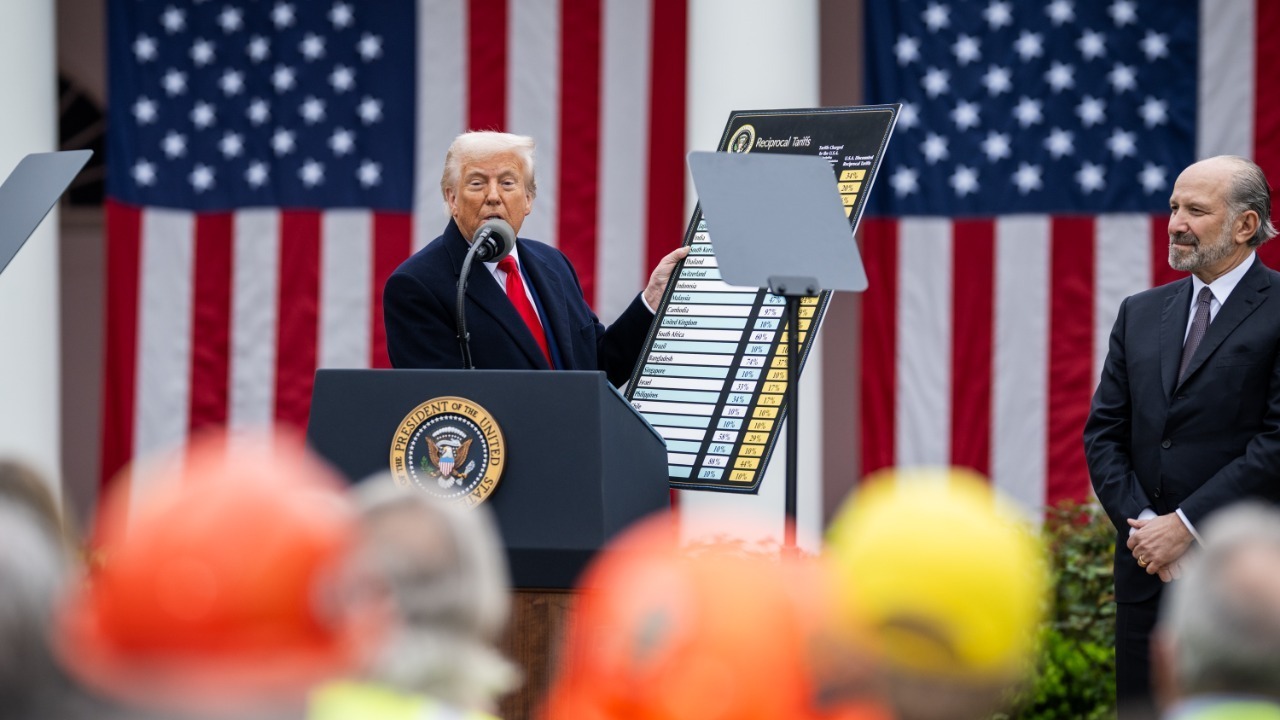
A JPMorgan Chase Institute study found that tariffs paid by midsize U.S. companies tripled last year, landing the heaviest blow on small importers least equipped to absorb the cost. The finding arrives as the layered U.S. tariff strategy against China, built on Section 301 duties first imposed in 2018 and expanded through emergency powers, continues to squeeze both Chinese exporters and the American businesses that buy from them. For small e-commerce sellers who once relied on duty-free shipments of low-value goods, the pressure has only intensified.
Tariff Costs Triple for Midsize Firms
The scale of the financial hit is difficult to overstate. Tariffs paid by midsize U.S. companies tripled last year, according to a JPMorgan Chase Institute study reported by the Associated Press. These are not Fortune 500 companies with global legal teams and diversified supply chains. They are mid-tier manufacturers, retailers, and wholesalers whose margins were already thin before duties on Chinese goods began climbing. Because smaller firms typically lack the buying power to negotiate price concessions from suppliers or pass costs directly to consumers, they absorb a disproportionate share of the tariff burden. Many find themselves caught between long-term contracts with customers and rapidly escalating landed costs, forcing them to cut investment, delay hiring, or exit certain product lines altogether.
The tariff architecture driving these costs traces back to the original Section 301 lists published by the U.S. Trade Representative in June 2018. The first tranche alone, known as List 1, covered $34 billion in imports from China and targeted technology, machinery, and industrial components that anchor U.S. manufacturing supply chains. Subsequent rounds broadened the scope to consumer goods, spreading the impact from factory floors to retail shelves. On top of those legacy duties, additional tariffs were imposed under the International Emergency Economic Powers Act, or IEEPA, in part justified as a tool to combat fentanyl trafficking from China. That legal basis is now under active judicial scrutiny, with a Congressional Research Service analysis noting that courts are weighing the limits of emergency trade powers and how far a president can go in reshaping tariff policy without new legislation. The resulting uncertainty has discouraged firms from committing to costly supplier switches or reshoring plans, because a court ruling or policy reversal could suddenly change the economics of their sourcing strategies.
De Minimis Suspension Hits E-Commerce Sellers
The pain sharpened further when the White House issued a presidential action suspending de minimis duty-free treatment for all countries. Before that order, shipments valued below the de minimis threshold entered the United States without customs duties and with simplified paperwork. Small importers and e-commerce sellers relied heavily on that exemption to keep prices competitive on low-value goods sourced from China, often shipping individual parcels directly to consumers. Removing it meant that even a $15 phone case or a $30 pair of headphones shipped from a Chinese warehouse now carries a tariff obligation, plus the compliance costs that come with formal customs entry. For a sole proprietor running an online storefront, those added expenses can erase an entire product line’s profitability overnight, especially when marketplaces and customers resist price increases on low-ticket items.
For logistics providers and customs brokers, the suspension has also reshaped day-to-day operations. A surge of newly dutiable small parcels has increased the volume of formal entries that must be classified, documented, and cleared, raising transaction costs throughout the chain. Some platforms have responded by consolidating shipments through domestic warehouses or encouraging sellers to bulk import inventory rather than ship direct from overseas, but that model requires more working capital and warehousing know-how than many micro-sellers possess. As a result, the policy shift is nudging the smallest players out of cross-border trade while favoring larger importers that can spread compliance costs over higher volumes, negotiate better freight rates, and invest in automated customs systems.
Chinese Exporters and Global Supply Chains Adjust
Peer-reviewed research confirms that the trade war has inflicted measurable damage on the Chinese side of the ledger as well. An econometric study published in the China Economic Review evaluates how successive waves of tariffs altered bilateral trade flows, finding that higher U.S. duties significantly reduced targeted Chinese exports while prompting diversion to other markets. Firm-level analyses in related finance literature show that exporters facing steep U.S. tariffs experienced declining revenues, weaker profitability, and reduced capacity to invest in productivity-enhancing technologies. These pressures have been particularly acute for small and midsize manufacturers that previously specialized in assembling components for the U.S. market and now struggle to reposition themselves in alternative value chains.
Beyond direct trade volumes, the broader global supply network has been forced into a costly reconfiguration. A World Trade Organization economic assessment of the conflict concludes that tariff hikes spurred significant trade diversion as companies rerouted goods through third countries, shifted final assembly to intermediary hubs, or reclassified products to minimize duties. For U.S. importers, those workarounds rarely eliminate tariff exposure entirely and often introduce new logistical risks, such as longer lead times and more complex rules-of-origin compliance. For Chinese exporters, the need to cultivate new markets and retool production for different standards has added to financial strain. Taken together, these adjustments illustrate how a tariff regime designed to pressure a geopolitical rival is reshaping commercial decisions for thousands of firms on both sides of the Pacific, with midsize U.S. companies and small e-commerce sellers bearing an outsized share of the disruption.
More From The Daily Overview
*This article was researched with the help of AI, with human editors creating the final content.

Grant Mercer covers market dynamics, business trends, and the economic forces driving growth across industries. His analysis connects macro movements with real-world implications for investors, entrepreneurs, and professionals. Through his work at The Daily Overview, Grant helps readers understand how markets function and where opportunities may emerge.

