
Karoline Leavitt’s recent congressional campaign has ended with a financial burden that has raised eyebrows across the political landscape. With over $320,000 in debt and more than 100 creditors waiting for repayment, the aftermath of her failed bid for office is a cautionary tale for aspiring politicians.
Financial Breakdown of the Campaign Debt

The financial implications of Karoline Leavitt’s congressional campaign are significant, with a debt totaling over $320,000. This staggering figure was accumulated through a variety of campaign expenses, including extensive advertising, personnel salaries, and event-related costs. The campaign’s spending outpaced its fundraising efforts, leading to a deficit that has become a major talking point in political circles.
Identifying the primary creditors reveals a diverse group of over 100 entities awaiting payment. These range from major media outlets to smaller local vendors, highlighting the expansive network of services utilized during the campaign. The unpaid claims showcase a level of financial mismanagement that may have been underestimated by Leavitt’s campaign team. Such debts can create long-term consequences, not only for Leavitt but also for the creditors, especially those who are smaller businesses reliant on timely payments.
Looking forward, this financial burden may adversely affect Leavitt’s political aspirations. Her ability to fundraise or campaign effectively in the future could be compromised by the lingering debts and the trust issues they might engender among potential donors and supporters.
Factors Contributing to the Financial Shortfall
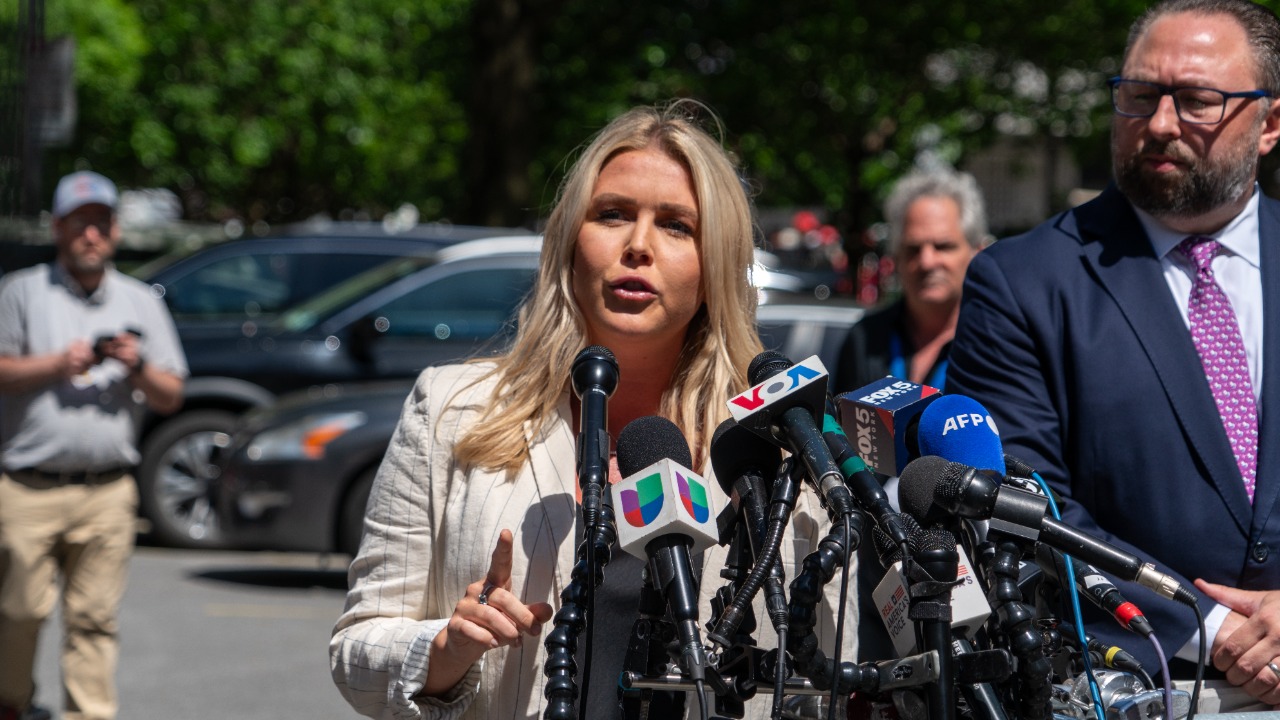
Several factors contributed to the financial shortfall of Leavitt’s campaign, notably the strategic decisions regarding campaign spending. A significant portion of the budget was allocated to advertising, with high costs incurred from media buys and digital campaigns. Additionally, staff salaries and logistical expenses for events further strained the financial resources.
Unexpected financial challenges also played a role, as changes in the political landscape and shifts in donor support may have led to a reduction in expected contributions. These unforeseen circumstances, combined with optimistic spending forecasts, resulted in financial overextension.
When compared to other failed campaigns, Leavitt’s financial predicament is not unique. Many political campaigns have faced similar issues, underscoring the common pitfalls in campaign finance. These include overestimating fundraising potential and underestimating costs, which can lead to significant financial challenges post-campaign.
Repercussions for Creditors and the Political Community
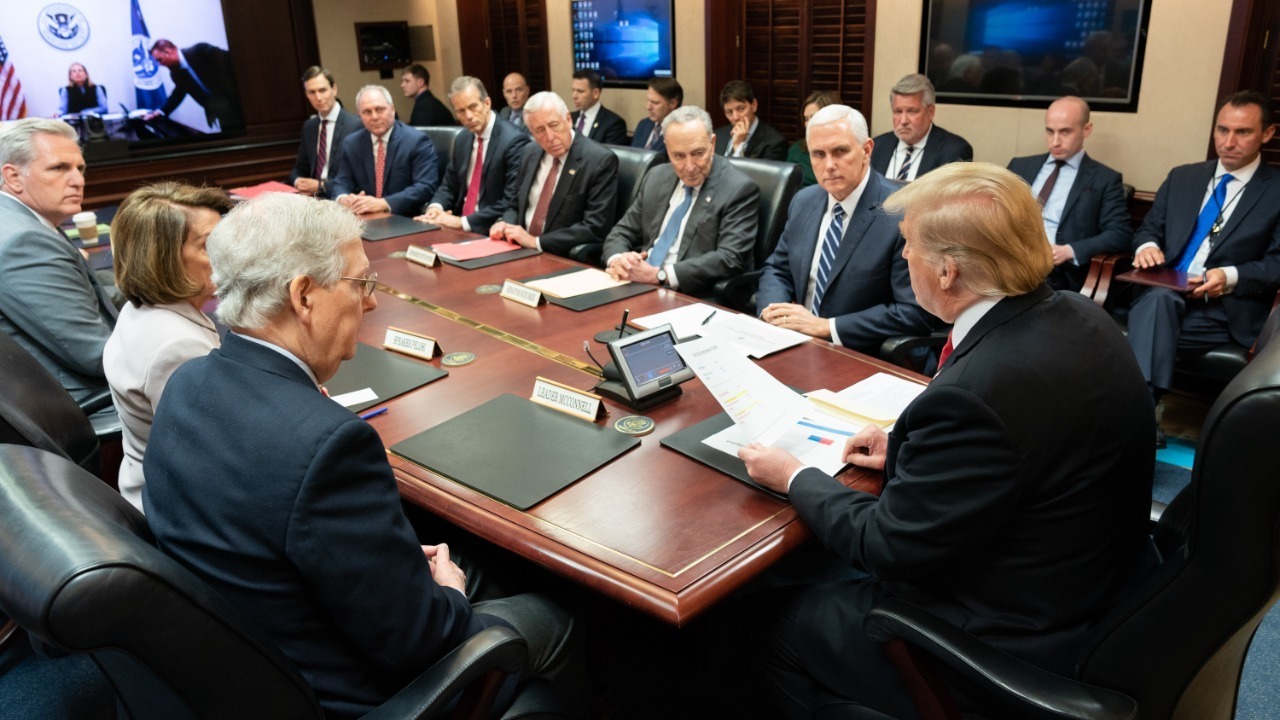
The immediate impact of the outstanding debts on creditors cannot be overlooked. Smaller vendors, in particular, might face significant financial hardships due to unpaid invoices. This can lead to a ripple effect, affecting their operations and potentially leading to job losses or business closures.
From a legal and ethical standpoint, the situation raises questions about the responsibilities of political campaigns to their creditors. Unpaid debts can lead to legal action, further complicating the financial situation for all parties involved. Ethically, the issue highlights the need for transparency and accountability in campaign financing.
On a broader scale, Leavitt’s campaign debt situation underscores the challenges in the current state of campaign financing. It serves as a reminder of the need for reform to prevent similar financial outcomes in the future. Policymakers and political analysts may need to reassess regulations and support systems to ensure financial stability and integrity in political campaigns.

Grant Mercer covers market dynamics, business trends, and the economic forces driving growth across industries. His analysis connects macro movements with real-world implications for investors, entrepreneurs, and professionals. Through his work at The Daily Overview, Grant helps readers understand how markets function and where opportunities may emerge.

